


 Lost in space: MethaneSat failed just as NZ was to take over mission control – here’s what we need to know now
  Astronomers have discovered another puzzling interstellar object − this third one is big, bright and fast
  FDA Adds Fatal Risk Warning to J&J and Legend Biotech’s Carvykti Cancer Therapy
  Trump Signs Executive Order to Boost AI Research in Childhood Cancer
  NASA and SpaceX Target Crew-11 Undocking From ISS Amid Medical Concern
  Eli Lilly’s Inluriyo Gains FDA Approval for Advanced Breast Cancer Treatment
  Cogent Biosciences Soars 120% on Breakthrough Phase 3 Results for Bezuclastinib in GIST Treatment
  Neuralink Plans High-Volume Brain Implant Production and Fully Automated Surgery by 2026
  SpaceX’s Starship Completes 11th Test Flight, Paving Way for Moon and Mars Missions
  Is space worth the cost? Accounting experts say its value can’t be found in spreadsheets
  NASA Artemis II: First Crewed Moon Mission Since Apollo Takes Four Astronauts on 10-Day Lunar Journey
  SpaceX Pivots Toward Moon City as Musk Reframes Long-Term Space Vision


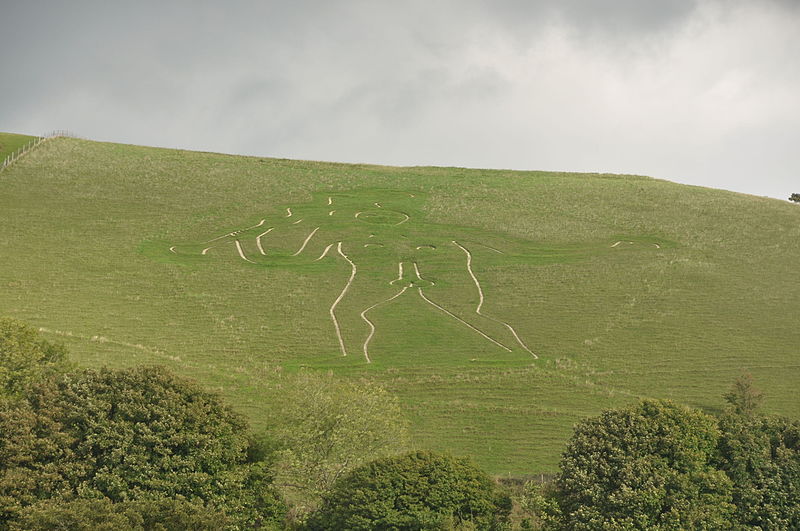
The Cerne Abbas Giant has been met with some debate regarding its history among archaeologists. Now, a new study suggests that the historic figure may not be as ancient as many may believe it to be.
Researchers, overseen by the National Trust, analyzed samples from the figure to look into its history as part of its 100 years of overseeing the famed site. According to folklore, the Cerne Abbas Giant is seen as a symbol of fertility, however, based on the investigation and analysis, it suggests that the figure may have been created in the 17th Century, during the Medieval period. The samples that were analyzed found microscopic land snail shells, which did not arrive in England until the 13th and 14th centuries.
However, it is also likely that the figure may have been formed or drawn during the 1600s. Environmental archaeologist Dr. Michael Allen revealed that the snail shells found in the soil samples were likely brought to the site by accident during the time it was found. “Sadly, this shows that the giant is unlikely to be prehistoric, or Roman - and more likely dates to the Medieval times or later,” said Dr. Allen.
Martin Papworth, the archaeologist from the National Trust, said that the ongoing tests and analysis of the samples would be able to give experts the exact date of when this figure was formed.
Some experts believe that the Cerne Abbas Giant is of Celtic origins because its figure is similar in style to the figure that was found on a skillet handle in Hod Hill that dates back to 10 to 51 AD.
Elsewhere, another discovery was also made, and this time it relates to the iconic Stonehenge. It is believed that the stone slabs were transported by raft from Wales to the Salisbury Plain. However, one particular stone slab, which is referred to as the Altar Stone, reveals that the slab likely came from the eastern part, near what is now known as Abergavenny. This means that the stones were likely transported to its current location on land instead of on the water.
It is also likely that the ones who transported the stones followed the historic A40 road.







