


 Russian Missile and Drone Attack on Kyiv Kills Two, Damages Maternity Hospital
  Netanyahu Takes Aim at Mamdani as Israel Election Nears
  North Korea Rejects Nuclear Test Warning, Calls Nuclear Status Irreversible
  Xi Calls for Deeper U.S.-China AI Cooperation in Trump Talks
  Trump Asks Supreme Court to Restore Third-Country Deportations
  Saudi Arabia, Turkey and Pakistan Plan Urgent Defence Talks Over Houthi Attacks
  Trump, Xi Focus on Trade and AI at White House Summit
  Pezeshkian Says US Must Choose When Iran War Ends
  Netanyahu Defends Israel at UN as Delegates Stage Walkout
  North Korea Warns South Korea Over US-Led Defense Role
  Netanyahu’s Brief US Trip Highlights Strains With Trump
  Mexico-US Trade Talks Delayed to October as Tariff Negotiations Continue
  What ‘Taiwan Independence’ Means as Xi Presses Trump on US Policy
  US Senate Rejects Iran War Powers Resolution in 50-49 Vote
  Judge Orders Trump to Restore White House Access for CNN, MS NOW and Politico
  Trump, Xi Visit US National Archives After White House Summit
  South Korea, US Discuss Warship Building Cooperation


 Add as a preferred source on Google
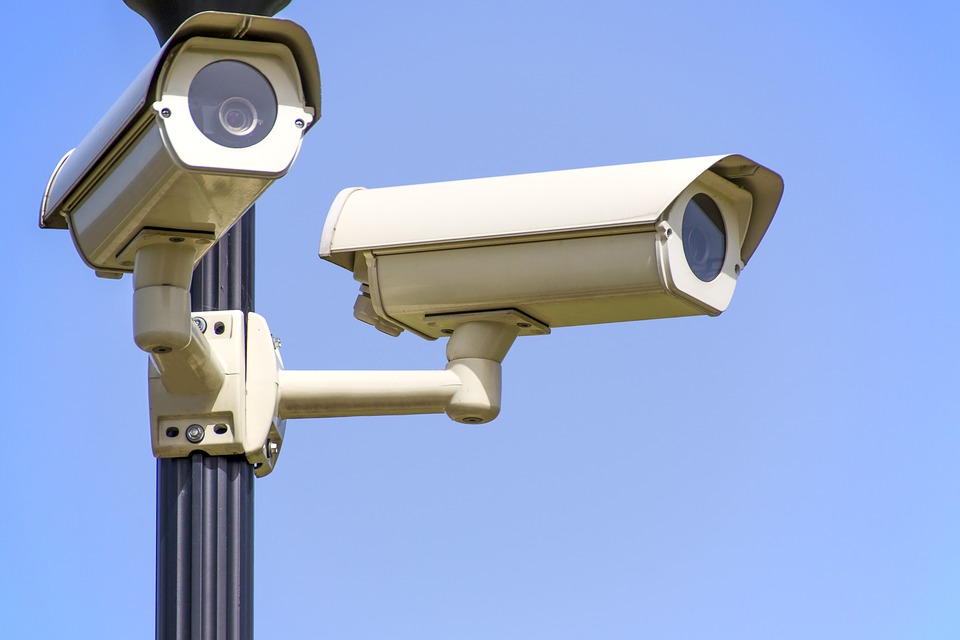
The Myanmar junta continues to crackdown on opponents of the regime all over the country. The military government has begun installing China-made surveillance cameras in more cities.
Reuters reports that the junta has begun rolling out surveillance cameras with facial recognition capabilities manufactured in China and installing them in more cities, according to people familiar with the matter. Those involved with the projects revealed that the plans to install such cameras are part of efforts to maintain security and somehow preserve civil peace.
Following the coup by the generals in February last year, local authorities have launched surveillance camera projects for at least five cities in Myanmar, including its fourth-largest city Mawlamyine. The new projects are in addition to the five cities where surveillance cameras are being touted as measures to prevent crime which were either installed or planned by the ousted government.
One of the sources familiar with the junta’s plans told Reuters of the junta’s plans to install surveillance systems in the country’s seven states and seven regions.
People familiar with the matter and human rights groups have expressed concerns that the new projects involving the surveillance systems would be used to crack down on activists and resistance groups opposing the regime, which the generals have designated as “terrorists.”
“Surveillance cameras pose a serious risk to democracy activists because the military and police can use them to track their movements, figure out connections between activists, identify safe houses, and other gathering spots, and recognize and intercept cars and motorcycles used by activists,” said Human Rights Watch Deputy Asia Director Phil Robertson to Reuters in a statement.
Previously, US Secretary of State Antony Blinken has urged the ASEAN regional grouping of countries to hold the junta accountable to its five-point peace consensus. Speaking at a news conference in Bangkok, Blinken said little progress was made in the agreement between ASEAN and the junta.
“The ASEAN countries need to hold the regime accountable for that … continue to demand the cessation of violence and release of prisoners,” said Blinken.
The nine-member countries of ASEAN and the coup leader Min Aung Hlaing signed an agreement in April last year that demanded the military cease the violence and encourage dialogue among all sides.







