


 Russian Strikes Kill Eight Across Ukraine as Energy Sites Hit
  Burnham Eyes UK Leadership Role in AI Ahead of Trump Meeting
  Trump Says U.S.-Iran Peace Deal Near After UN Talks
  Trump Administration Prepares Sanctions Against Entire ICC
  CNN, MS NOW and Politico Sue Trump Over White House Media Ban
  Marco Rubio to Meet Russia’s Lavrov in New York
  China Tightens Fentanyl Rules Ahead of Trump-Xi Summit
  Zelenskiy Meets CIA Chief John Ratcliffe at Ireland’s Shannon Airport
  Trump Says ‘Freedom’ Is Coming to Cuba
  Vietnam, US Trade Deal Could Be Signed Soon, To Lam Says
  Trump Meets Venezuela’s Delcy Rodriguez at UN Assembly
  Macron Challenges Trump’s Gaza Peace Claims at UN
  Trump-Xi Summit Puts Trade Truce and Taiwan in Focus
  US, Denmark and Greenland Set to Sign Arctic Security Deal
  Lula Meets Mamdani in New York as Elections Approach
  Trump Scales Back Endangered Species Act Protections
  Trump to Press Xi on Release of US Nuclear Expert Held in China


 Add as a preferred source on Google
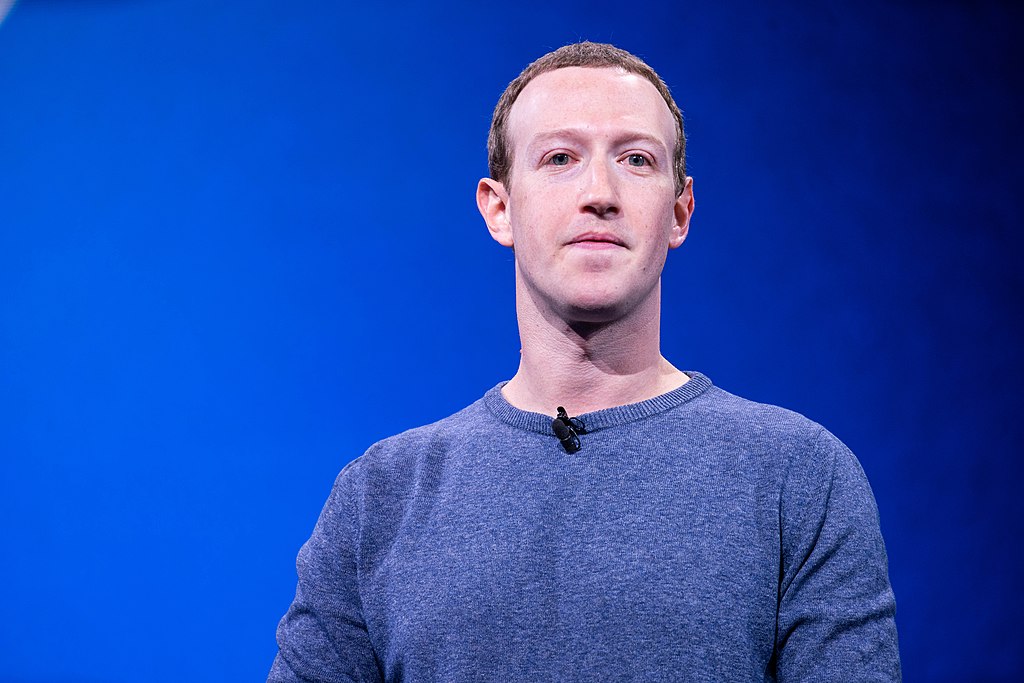
Meta CEO Mark Zuckerberg has revealed that he will not endorse any candidate in the 2024 presidential election. In an interview with Bloomberg, 40 Zuckerberg stated he does not intend to play a significant role in the upcoming election, departing from his previous political engagements.
Zuckerberg's decision to remain neutral contrasts with the actions of other tech leaders. Elon Musk, CEO of X, Tesla, and SpaceX, has officially backed former President Donald Trump following an assassination attempt during a campaign rally in Butler, Pennsylvania. The incident left Trump injured and a retired fire chief dead while Secret Service snipers neutralized the assailant.
Several former Democratic donors supported Trump, including Palantir advisor Jacob Helberg and Sequoia Capital Partner Shaun Maguire. Notable venture capitalists Marc Andreessen and Ben Horowitz are reportedly backing Trump in the race, as per The Independent.
While Zuckerberg has not endorsed Trump, he acknowledged the former president's resilience, describing Trump's reaction to the attack as one of the most remarkable displays of determination he had ever witnessed. Despite this admiration, Zuckerberg remains committed to limiting his political involvement.
Meta, the parent company of Facebook and Instagram, is also moving to reduce political content on its platforms. Instagram announced it would no longer proactively recommend political posts, allowing users to opt in if they wish to receive such content. Zuckerberg emphasized that most users prefer less political content and more personal connections on their feeds.
Meta has had a contentious relationship with Trump, suspending his accounts on Facebook and Instagram for nearly two years following the January 6 Capitol riot. Trump has frequently expressed frustration with the company, vowing to act against election fraud if re-elected.
In a recent interview with Bloomberg, Trump reiterated his stance on regulating the tech industry, suggesting that platforms like TikTok are necessary to provide competition against Zuckerberg's Facebook and Instagram.
As the 2024 election approaches, Zuckerberg's decision to step back from political endorsements highlights the ongoing tension between social media giants and political figures. Meta's efforts to reduce its political footprint reflect a broader trend of tech companies reassessing their role in the political landscape.







