


 Scott Bessent Eyed as Trump’s New AI Czar
  Canada Unveils Bill to Fast-Track Major Resource Projects
  US, Japan and South Korea Back Taiwan Ahead of Trump-Xi Summit
  Denmark Says Greenland Sovereignty Protected in US Military Deal
  UK, Mauritius Seek Diego Garcia Base Deal
  Trump Says U.S.-Iran Peace Deal Near After UN Talks
  Zelenskiy Meets CIA Chief John Ratcliffe at Ireland’s Shannon Airport
  US, Denmark and Greenland Set to Sign Arctic Security Deal
  Trump Scales Back Endangered Species Act Protections
  South Korea to Brief Lawmakers on $350 Billion US Investment Package
  Trump Meets Venezuela’s Delcy Rodriguez at UN Assembly
  Russian Strikes Kill Eight Across Ukraine as Energy Sites Hit
  Burnham Eyes UK Leadership Role in AI Ahead of Trump Meeting
  Trump Administration Prepares Sanctions Against Entire ICC
  Trump-Xi Summit Puts Trade Truce and Taiwan in Focus
  China Tightens Fentanyl Rules Ahead of Trump-Xi Summit
  Carney Condemns Belleville Synagogue Shooting That Wounded Police Officer


 Add as a preferred source on Google
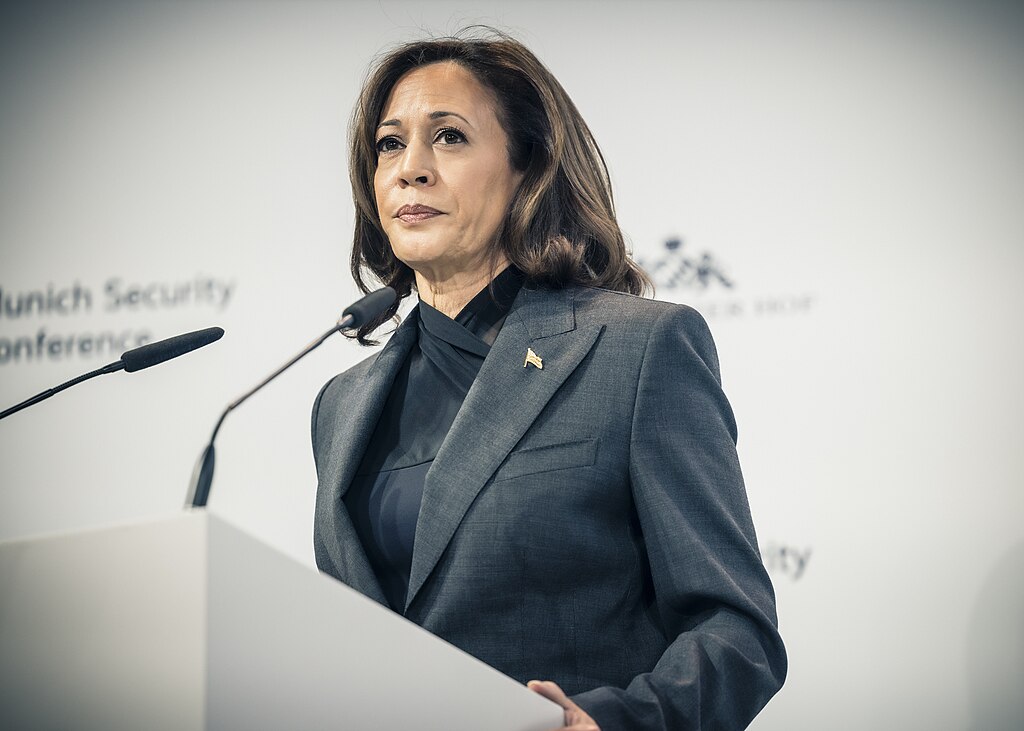
President Joe Biden's abrupt decision to withdraw from the 2024 presidential election has dramatically reshaped the political landscape, placing Vice President Kamala Harris in the spotlight as the potential Democratic nominee. For much of the last three years, Harris was perceived as a liability to Biden's re-election prospects, with her approval ratings trailing behind his. However, recent developments have shifted this narrative.
Democratic desperation and Harris’ energetic performance as a dedicated administration spokesperson have changed her fortunes. If nominated, Harris would become the first woman of color to lead a national ticket and, if victorious, the first female president.
Several recent polls indicate that Harris is within striking distance of former President Donald Trump, trailing by just 1 or 2 percentage points in a head-to-head matchup, as per The Los Angeles Times. Anticipating a Harris candidacy since Biden's lackluster debate performance in June, Republicans have been circulating old clips of her, mocking her public speaking style, accusing her of covering up Biden’s frailty, and linking her to the high number of arrests at the southern border during Biden's administration.
Republican sentiment remains divided. While some strategists believe Trump can still campaign against the Biden-Harris record on issues like inflation and border control, others argue that Biden was the weaker candidate. New Hampshire Gov. Chris Sununu noted that if Democrats switch to Harris, the dynamics in battleground states could tighten, potentially energizing the race.
Following Biden's announcement, the Democratic Party appeared to rally around Harris. Prominent figures such as Bill and Hillary Clinton publicly endorsed her, and the Biden for President fundraising committee quickly rebranded as Harris for President. Former President Obama called for a process to identify an outstanding nominee, indicating a measured approach.
Harris praised Biden’s leadership and expressed her intention to earn the nomination, emphasizing her commitment to uniting the Democratic Party and defeating Trump. Despite concerns that Harris remains too polarizing to secure a majority, her experience on a national ticket, access to the campaign’s fundraising network, and name recognition make her a strong contender. Democrats believe she can campaign on the administration’s policy achievements, which are viewed favorably even if Biden himself is not.
The primary challenge for Harris will be overcoming her national approval rating, which sits at about 39% compared to 50% disapproval, according to the latest 538 polling average. She also needs to improve her standing in swing states.
Harris’ political journey has been marked by significant milestones, from serving as San Francisco’s district attorney and California’s attorney general to becoming a U.S. senator and vice president. Selected by Biden as his running mate, she revitalized her political career but faced high staff turnover and racial and gender prejudices.
Her role in addressing migration from Central America became a political liability. Still, her leadership on abortion rights following the Supreme Court's decision to overturn Roe v. Wade helped boost her standing within the party. Representing the administration in Europe and Asia further established her foreign policy credentials.
As the Democratic Party navigates this unprecedented transition, Harris remains a prominent figure. Her ability to capitalize on this moment and secure the nomination will be closely watched. With the election just months away, the party must unite behind a candidate capable of defeating Trump and advancing their agenda.
The Democratic Party faces a crucial decision, and Harris stands poised to make history if she can garner the support needed to lead the ticket and, ultimately, the nation.







