


 Trump Open to Pezeshkian Meeting as Iran Tensions Escalate
  Zelenskiy Meets CIA Chief John Ratcliffe at Ireland’s Shannon Airport
  Carney Condemns Belleville Synagogue Shooting That Wounded Police Officer
  US Plans Two New Military Bases in Greenland Under Arctic Deal
  Taiwan Vows to Advance US Arms Sales Ahead of Trump-Xi Meeting
  Trump to Press Xi on Release of US Nuclear Expert Held in China
  CNN, MS NOW and Politico Sue Trump Over White House Media Ban
  Zelenskiy Warns Russia Preparing Major Attack on Ukraine
  Trump Says ‘Freedom’ Is Coming to Cuba
  Trump Administration Prepares Sanctions Against Entire ICC
  Macron, Trump Discuss Ukraine-Russia Energy Strike Moratorium
  Trump Says U.S.-Iran Peace Deal Near After UN Talks
  Trump Scales Back Endangered Species Act Protections
  Russian Strikes Kill Eight Across Ukraine as Energy Sites Hit
  Paramount-Warner Bros $110 Billion Deal Draws Antitrust Backlash
  Scott Bessent Eyed as Trump’s New AI Czar
  Trump Meets Venezuela’s Delcy Rodriguez at UN Assembly


 Add as a preferred source on Google
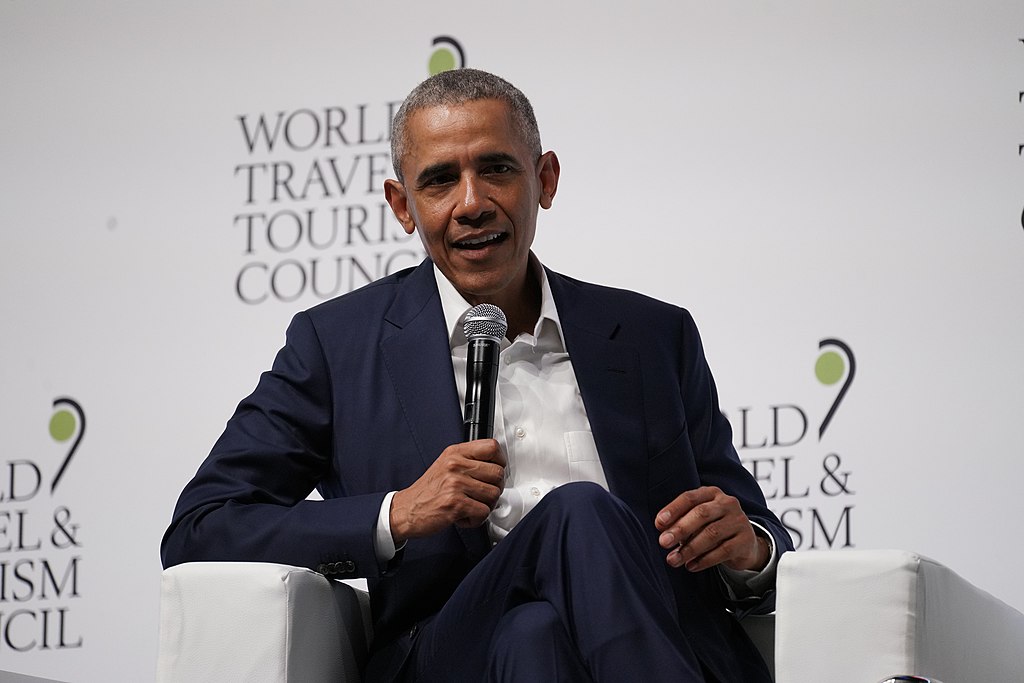
Former President Barack Obama refrained from endorsing Kamala Harris as the Democratic nominee following President Joe Biden's announcement to withdraw from the 2024 presidential race. Obama's statement emphasized that Democrats will identify an "outstanding nominee" to replace Biden, leaving the vice president's candidacy uncertain.
Obama, joined by former House Speaker Nancy Pelosi, did not immediately back Harris, reflecting a preference for an open process to replace Biden. Obama's comments underscored the challenges ahead for the Democratic Party as they navigate uncharted waters in selecting a new candidate, The New York Post reported.
Harris, whose approval ratings have lagged behind Biden's, has recently shown vigor as an administration spokesperson. However, some Democrats fear her candidacy could further diminish the party's chances against former President Donald Trump. Despite this, Harris praised Biden's leadership and expressed her intention to earn the nomination and unite the Democratic Party.
The Democratic Party now faces the task of rallying around a new candidate. While Harris has the experience and access to the campaign's fundraising network, her approval ratings remain a concern. Prominent figures like Bill and Hillary Clinton have endorsed Harris, but Obama’s decision to call for a broader process leaves the field open.
Other potential candidates include Governors Gretchen Whitmer, Gavin Newsom, and Josh Shapiro, though none have immediately backed Harris. Senator Richard Blumenthal and Senator Peter Welch have called for an open process to select Biden's replacement, reflecting broader concerns within the party.
As Democrats prepare for the upcoming convention, Harris' path to the nomination is fraught with challenges. Her experience and policy accomplishments under the Biden administration provide a strong foundation, but her approval ratings and public perception remain hurdles.
Obama's non-endorsement signifies a pivotal moment in the Democratic primary process, highlighting the party's need for a unifying figure capable of defeating Trump in the November election. The coming weeks will be crucial as the Democratic Party seeks to coalesce around a candidate who can lead them to victory.







