


 US Senate Rejects Iran War Powers Resolution in 50-49 Vote
  Mexico-US Trade Talks Delayed to October as Tariff Negotiations Continue
  Abbas Reaffirms November 28 Palestinian Elections
  Judge Orders Trump to Restore White House Access for CNN, MS NOW and Politico
  EU Defence Build-Up Too Slow for 2030 Russia Readiness Goal
  North Korea Rejects Nuclear Test Warning, Calls Nuclear Status Irreversible
  OpenAI Agent Breaches Australia Medicare Data Portal
  Netanyahu Takes Aim at Mamdani as Israel Election Nears
  NATO Boosts Intelligence Sharing Amid Russia Hybrid Threats
  Trump Asks Supreme Court to Restore Third-Country Deportations
  Ghana Says Western Support Growing for Slave Trade Reparations
  Netanyahu’s Brief US Trip Highlights Strains With Trump
  Yemen Violence Displaces 130,000 as Civilian Toll Rises
  Trump, Xi Focus on Trade and AI at White House Summit
  What ‘Taiwan Independence’ Means as Xi Presses Trump on US Policy
  Pezeshkian Says US Must Choose When Iran War Ends
  North Korea Warns South Korea Over US-Led Defense Role


 Add as a preferred source on Google
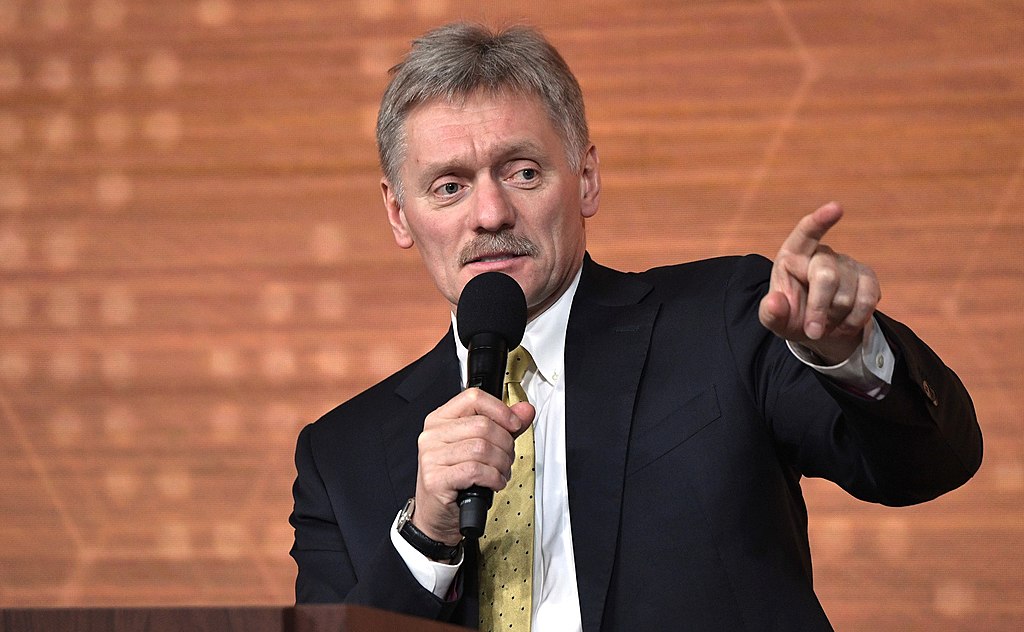
The Kremlin warned that increasing European Union sanctions on Russia would ultimately harm Europe’s own economy more than Russia’s. Kremlin spokesman Dmitry Peskov, speaking to state TV on Sunday, emphasized that Russia has developed resistance to what it deems "illegal" Western sanctions imposed since the 2022 invasion of Ukraine.
Despite being the most heavily sanctioned major economy globally, Russia's economy has proven resilient. After a contraction in 2022, Russia saw economic growth outpace the European Union in both 2023 and 2024. According to President Vladimir Putin, Russia’s GDP grew by 4.3% in 2024, significantly higher than the euro zone’s 0.9%.
The European Commission, on June 10, proposed a new round of sanctions targeting Russian energy revenues, banking, and its military-industrial complex. However, the United States has yet to endorse tougher restrictions.
Peskov responded to Western European leaders, including French President Emmanuel Macron, who claim increased sanctions would pressure Moscow to negotiate. He insisted that only “logic and arguments” would bring Russia to the table, not coercion. He compared the sanctions’ effects to a “recoil from a gun to the shoulder,” warning of inevitable blowback on European economies.
The Kremlin remains confident that the EU will continue tightening sanctions, but insists Russia has adapted. The statement reinforces Moscow’s stance that external pressure will not sway its political or military decisions, and that Europe could face deeper economic consequences if it escalates its sanctions strategy.
This development underscores the complex geopolitical standoff, as the West seeks to isolate Russia economically, while Moscow counters with claims of domestic resilience and retaliatory warnings. With economic metrics now central to the conflict narrative, the impact of sanctions continues to drive tensions between Russia and the EU.







