


 Gérald Darmanin Backs Édouard Philippe for 2027 French Presidential Election
  Pentagon Weighs Permanent U.S. Military Drawdown in Persian Gulf
  Trump Says Kim Jong Un Responded to Outreach After US Scales Back South Korea Military Drills
  Trump Says Iran Talks Halted as Hormuz Dispute Pushes Oil Higher
  Trump Says Iran Should Surrender as Nuclear Deal Talks Stall
  Trump Says Iran Talks Halted as Strait of Hormuz Dispute Fuels Oil Concerns
  US, South Korea Cut Joint Military Drills After Trump Orders Reduced Role
  Trump Administration Allocates $206 Million for Gaza Peacekeeping Force
  Erdogan Urges Trump to Resume Iran Talks, Offers Turkey’s Support for Peace Efforts
  UN Chief Raises Concern Over US Sanctions on ICC Officials
  Trump Approval Rating Hits Presidency Low as Iran War Concerns Grow
  Angie Nixon Scores Florida Senate Primary Upset as Key Midterm Races Take Shape
  US Eyes Refinery Boost as Trump Seeks Relief From High Gas Prices
  Trump Pauses 50% Canada Tariffs for Three Days as U.S. Trade Deal Takes Shape
  Israel Strikes Syrian Airbase Near Aleppo, Raising Tensions With Turkey
  Gaza Zoo Struggles to Save Animals Amid War
  South Korea’s Lee Calls for Stronger Defence as US Eyes Reduced Joint Drills


 Add as a preferred source on Google
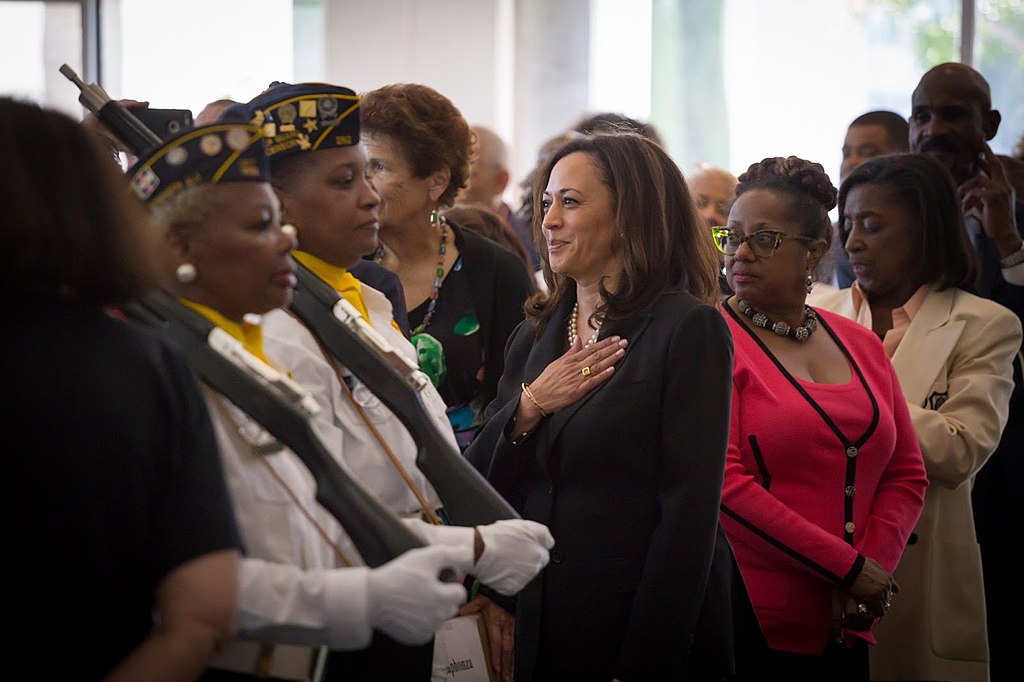
Kamala Harris' campaign chair, Jen O’Malley Dillon, has pointed to the media's portrayal of the vice president as a key factor in her landslide loss in the recent election. Dillon, who played a prominent role in Harris’ campaign, alleged that the media’s depiction of Harris as “too scared to do interviews” created an unfair narrative that undermined her leadership image.
Harris’ loss, widely analyzed by political pundits, has sparked debates about her campaign strategy, media relations, and public perception. Dillon’s comments shed new light on the internal challenges faced by the Harris camp as they navigated what many described as one of the most contentious election cycles in recent history.
While Harris’ supporters argue that her achievements were overlooked in favor of hyper-critical coverage, detractors maintain that her performance during key debates and limited media appearances contributed significantly to her defeat.
Impact of Media Representation on Harris’ Campaign
Dillon highlighted what she called a systematic bias in the media’s approach to Harris’ campaign. She claimed that Harris was often portrayed as evasive or unwilling to engage with journalists, a characterization that Dillon vehemently disputes.
“This portrayal created an impossible uphill battle for us,” Dillon said in a post-election interview. “Kamala Harris is a leader who has consistently shown her ability to tackle tough questions and advocate for policies that matter to Americans.”
Critics, however, have pointed to Harris’ limited availability for interviews and press conferences as evidence of a lack of transparency. Some also criticized her campaign’s failure to address these perceptions head-on, allowing the narrative to take root among undecided voters.
Analysts argue that Harris faced unique challenges as a woman of color in the political arena, where double standards in media coverage often amplify scrutiny. Despite these hurdles, Dillon stressed that the vice president remained committed to connecting with voters, particularly in battleground states.
Social Media Reacts to Campaign Chair’s Comments
Dillon’s remarks have ignited passionate reactions on social media, with users debating whether Harris’ loss was due to media bias, campaign missteps, or a combination of factors.
- @PoliticoWatcher99: “Blaming the media is an easy way out. Kamala didn’t connect with voters, plain and simple.”
- @EqualityMatters2024: “The double standards are glaring. If Kamala were a man, this wouldn’t even be a topic.”
- @TruthFirst87: “Her campaign never addressed real issues. The media didn’t help, but Harris sealed her own fate.”
- @VoterForChange34: “Dillon is right. The media has always been harsher on Harris. It’s time for introspection.”
- @FutureIsFemale01: “Media bias is real, and Kamala Harris is yet another victim of its destructive influence.”
- @IndependentThinker45: “Excuses won’t fix what went wrong. Harris’ campaign needs to take responsibility for its own failures.”
Lessons for Future Campaigns
Dillon’s statements highlight broader concerns about the role of media in shaping electoral outcomes. She urged future campaigns to prioritize strategies that counteract biased narratives while ensuring candidates maintain direct lines of communication with voters.
As the Democratic Party reflects on Harris’ defeat, Dillon’s insights underscore the importance of addressing media challenges early and building resilient campaigns that can withstand public scrutiny. For now, the debate continues about whether Harris’ loss was an inevitability or the product of a flawed electoral system.







