


 Trump Board of Peace Unveils $2.45 Billion Gaza Recovery Plan
  fnny Beta Launches With a Simple Idea: Find an Event, Show Up, Get Rewarded
  Kremlin Says No Grounds Yet for Ukraine Peace Talks
  US, Denmark and Greenland Set to Sign Arctic Security Deal
  US Federal Register Drops Alibaba Qwen AI Search Tool
  Scott Bessent Eyed as Trump’s New AI Czar
  US Plans Two New Military Bases in Greenland Under Arctic Deal
  Databricks to Invest $350 Million in Singapore AI Expansion
  SoftBank Launches $11 Billion Bond Sale to Fund OpenAI Investment
  China Tightens Fentanyl Rules Ahead of Trump-Xi Summit
  Trump Says ‘Freedom’ Is Coming to Cuba
  Microsoft Stock Upgraded as Stifel Sees Stronger Azure Growth
  Marco Rubio to Meet Russia’s Lavrov in New York
  Zelenskiy Warns Russia Preparing Major Attack on Ukraine
  Macron Challenges Trump’s Gaza Peace Claims at UN
  Nvidia CEO Jensen Huang Expected at Trump-Xi State Dinner
  Apple Pay Set for India Launch With Axis Bank


 Add as a preferred source on Google
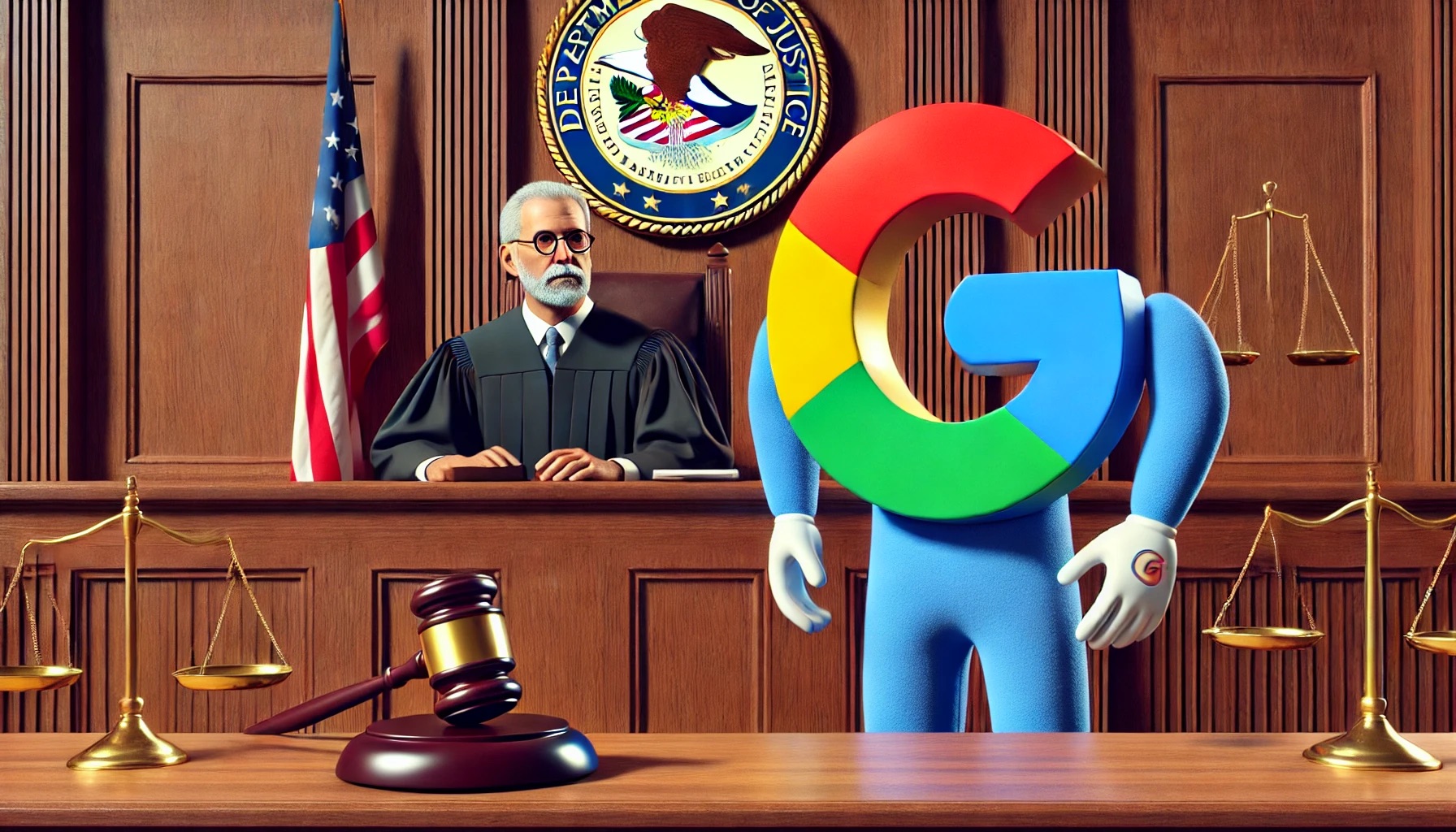
A US judge declined to postpone the Department of Justice's antitrust trial against Google, slated for April, despite potential policy shifts under President Trump's administration. The DOJ alleges Google's illegal monopoly in search and advertising, proposing drastic remedies like selling Chrome and limiting AI activities.
US Judge Rejects Trump-Era Delay in Google Trial
The judge presiding over the case announced on Tuesday that the Trump administration will not be granted additional time to alter its request to limit Google's dominance in online search and that the trial on the US Department of Justice's proposals to do just that will go as scheduled, Reuters reports.
In an effort to cut off Google Search's distribution points, the Department of Justice has suggested that Alphabet's Google sell its Chrome browser and maybe the Android mobile operating system. In October, then-candidate Trump voiced his doubts regarding a possible Google split.
U.S. District Judge Amit Mehta of Washington stated that he would not postpone the April trial if Trump-appointed DOJ officials intend to change the proposals.
DOJ Lawsuit Highlights Google’s Alleged Search Monopoly
"If there is going to be a re-evaluation of the remedies that are being requested, it needs to be done quickly," the judge stated during the hearing.
Near the end of Trump's first term in office (2020), the Department of Justice filed suit against Google. Google has an unlawful monopoly in internet search and related advertising, according to a ruling by Mehta in August.
Under U.S. President Joe Biden, the Department of Justice has suggested that Google sells the most popular web browser in the world and shares data and search results with competitors.
Furthermore, according to US News, the comprehensive plan aims to forbid Google from acquiring or investing in competing search engines, query-based AI technologies, or advertising technology.
Google Challenges DOJ Over AI and Search Restrictions
The tech giant has decried the plans, describing them as "staggering," and claimed they will hurt American productivity.
The impact of AI on the search engine landscape is anticipated to be a central focus of the trial. Microsoft, Meta Platforms, OpenAI (the creator of ChatGPT), and Perplexity (an artificial intelligence startup) are all expected to be called as witnesses by the prosecution.







