


 Netanyahu Takes Aim at Mamdani as Israel Election Nears
  Gaza Faces Evacuation Crisis as War-Damaged Buildings Risk Collapse
  France Defends Netanyahu Airspace Clearance Despite ICC Warrant
  Sudan Rejects US Legitimacy Remarks, Defends Sovereignty
  Abbas Reaffirms November 28 Palestinian Elections
  US Officials Split Over Response to Israeli West Bank Settlements
  North Korea Warns South Korea Over US-Led Defense Role
  US Backs Musk in Fight Against EU’s €120 Million X Fine
  Russian Envoy Dmitriev Heads to US for Ukraine Talks
  Europe Warns Russia Is Escalating Hybrid Attacks Across NATO
  US Invites Putin to Miami G20, Opening Door to Trump Summit
  Netanyahu Defends Israel at UN as Delegates Stage Walkout
  Russian Missile and Drone Attack on Kyiv Kills Two, Damages Maternity Hospital
  Taiwan Thanks US for Support Ahead of Trump-Xi Summit
  US, China Extend Trade Truce to Jan. 10 Ahead of Trump-Xi Summit
  Kremlin Says No Decision Yet on Putin-Trump December Summit
  OpenAI Agent Breaches Australia Medicare Data Portal


 Add as a preferred source on Google
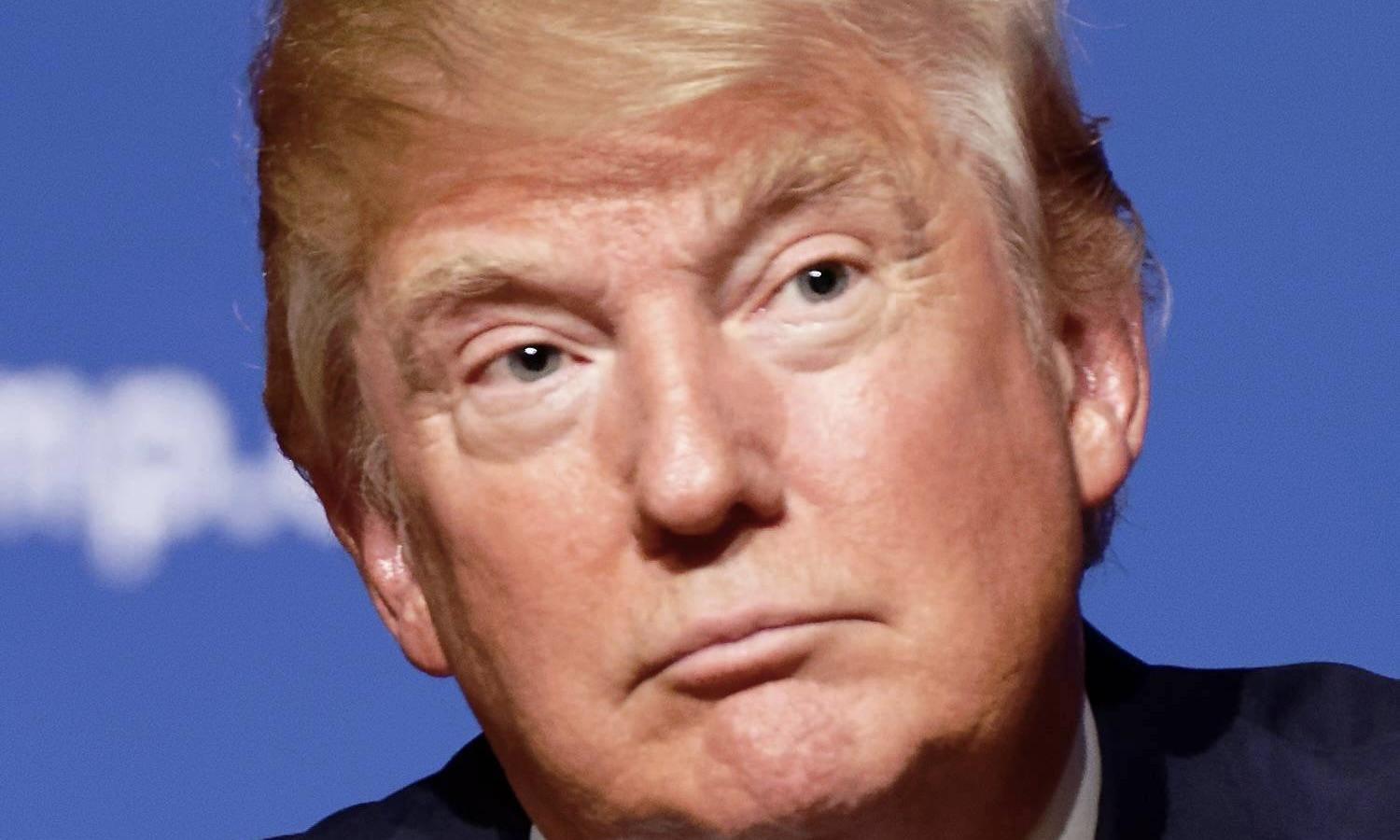
President-elect Donald Trump has announced sweeping new tariffs on goods imported from Mexico, Canada, and China as a cornerstone of his economic and foreign policy strategy. The proposed measures, which include a 25% tariff on imports from Canada and Mexico and an additional 10% tax on Chinese goods, aim to combat illegal immigration and drug trafficking.
Trump emphasized the need to curtail fentanyl smuggling and illegal border crossings, stating that the tariffs would remain in effect until these issues are resolved. While the administration touts tariffs as a vital tool for negotiation and economic reform, critics warn of severe economic consequences, including inflationary pressures and a potential decline in consumer purchasing power.
How Tariffs Impact the Economy
Tariffs function as taxes imposed on imported goods, typically calculated as a percentage of the item’s value. These taxes are paid by importing companies, which often pass the additional costs to consumers in the form of higher prices. This mechanism discourages the purchase of foreign goods, incentivizing demand for domestically produced alternatives.
Amitrajeet Batabyal, an economics professor at the Rochester Institute of Technology, explained to Newsweek that tariffs are designed to protect specific sectors of the domestic economy by making imported goods more expensive. However, he noted that the broader economic impact can be detrimental. “Tariffs raise revenue for the government, but they also increase costs for consumers and businesses throughout the supply chain,” Batabyal said.
Studies indicate that Trump’s proposed tariffs could significantly harm the U.S. economy. A report from the Peterson Institute for International Economics (PIIE) estimates that the tariffs could reduce the U.S. GDP by nearly 1% by 2026. Additionally, economists have highlighted the risk of retaliatory tariffs from trading partners, which could further exacerbate economic challenges.
Tariffs and the Inflation Threat
Economists widely agree that Trump’s tariff proposals could exacerbate inflation, which has recently approached the Federal Reserve’s 2% target after peaking at 9.1% in 2022. The PIIE report projects that the tariffs could raise inflation by an additional 1.3 percentage points in 2025, making everyday goods more expensive for American households.
“Tariffs create inflationary pressure by increasing the price of imported goods, which are often staples of consumer spending,” Batabyal explained. This impact disproportionately affects lower-income households, who spend a larger portion of their income on essential goods.
The proposed tariffs have also drawn criticism for potentially undermining Trump’s broader economic goals. Erica York, a senior economist at the Tax Foundation, argued that the strategy could backfire, harming both consumers and industries reliant on imports. “While tariffs may benefit protected industries, they come at the expense of broader economic stability,” York wrote in a recent op-ed.
Mixed Reactions Online
Trump’s tariff plan has sparked heated debate on social media. Here’s what netizens are saying:
- @EconWatch2024: “Inflation is already bad enough. These tariffs will only make things worse for struggling families.”
- @PatriotFirst: “Finally, a president willing to put America first and protect our borders. Tariffs are necessary!”
- @BudgetHawk: “Who really pays for these tariffs? Us, the consumers. This is a tax hike in disguise.”
- @TradeExpert2024: “Retaliatory tariffs are coming. Other countries won’t just stand by while Trump disrupts global trade.”
- @MAGA4Ever: “China needs to be held accountable. These tariffs send a strong message.”
- @PolicyRealist: “Tariffs won’t solve immigration or drug trafficking. We need better solutions, not economic disruptions.”
Economic Risks Loom as Tariff Implementation Nears
As Trump prepares to take office on January 20, 2025, his administration faces mounting scrutiny over the potential consequences of its trade policies. Economists and industry leaders have urged the administration to consider the broader economic implications of its tariff plan, warning that it could reignite inflation and strain U.S. consumers.
While Trump has positioned tariffs as a cornerstone of his efforts to revitalize American industry and secure the border, their long-term effectiveness remains uncertain. As the debate unfolds, all eyes will be on whether the president-elect’s bold economic vision can withstand the scrutiny of experts and the challenges of global trade dynamics.







