


 Ghana Says Western Support Growing for Slave Trade Reparations
  Trump Asks Supreme Court to Restore Third-Country Deportations
  US Backs Musk in Fight Against EU’s €120 Million X Fine
  EU Defence Build-Up Too Slow for 2030 Russia Readiness Goal
  Netanyahu Defends Israel at UN as Delegates Stage Walkout
  Gaza Faces Evacuation Crisis as War-Damaged Buildings Risk Collapse
  US Officials Split Over Response to Israeli West Bank Settlements
  Netanyahu’s Brief US Trip Highlights Strains With Trump
  Sudan Rejects US Legitimacy Remarks, Defends Sovereignty
  Russian Missile and Drone Attack on Kyiv Kills Two, Damages Maternity Hospital
  OpenAI Agent Breaches Australia Medicare Data Portal
  Netanyahu Takes Aim at Mamdani as Israel Election Nears
  Mexico-US Trade Talks Delayed to October as Tariff Negotiations Continue
  Trump, Xi Focus on Trade and AI at White House Summit
  NATO Boosts Intelligence Sharing Amid Russia Hybrid Threats
  France Defends Netanyahu Airspace Clearance Despite ICC Warrant
  Venezuela Promises Elections as Delcy Rodriguez Pledges Democratic Transition


 Add as a preferred source on Google
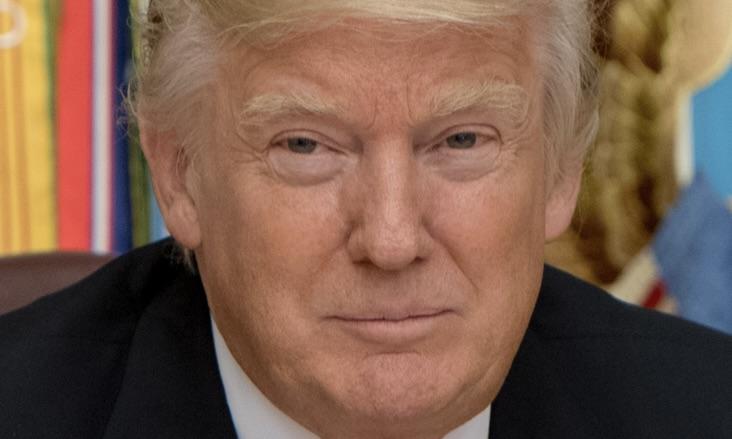
Donald Trump's victorious return to the presidency has sparked a cultural shift, reigniting patriotism among Americans, particularly young voters. For years, openly expressing love for the country was often perceived as aligning with Trump’s MAGA movement, creating a stigma for those who wanted to separate their pride in America from political affiliations.
“I’ve felt like I had to hide my feelings about loving America,” a 30-year-old independent voter from New York told Newsweek. “I didn’t want people thinking I was a MAGA supporter just because I expressed my patriotism.”
This sense of unease has persisted for decades, with patriotism becoming a fault line in the U.S. social fabric. After 9/11, Americans were encouraged to embrace visible signs of patriotism as a way to defy terrorism. However, disillusionment with events such as the Iraq War and domestic failures like Hurricane Katrina eroded this sentiment. Protesting and resistance movements gained prominence, further polarizing the country, particularly during Trump’s first term in 2016.
Trump’s Appeal to Younger, Diverse Voters
Trump’s return to office has redefined the perception of his supporters, moving beyond the stereotypical MAGA image. His campaign made inroads with young voters, Black and Latino communities, and other traditionally Democratic groups. This has fueled a resurgence of open patriotism, with some saying it is now culturally acceptable—even trendy.
“You don’t get to say all Trump supporters are racist when my entire Black family and friends voted for him,” said Amir Odom, a Black and gay conservative influencer. His remarks reflect the evolving dynamics of Trump’s voter base, which includes a wider demographic spectrum than in previous elections.
A 25-year-old voter from New Jersey echoed these sentiments, explaining that being patriotic doesn’t mean overlooking flaws. “Loving your country means wanting to improve it. It’s not blind loyalty—it’s investing in its future,” he said.
Social media platforms, particularly TikTok, have seen discussions about embracing patriotism resurface. Some users shared concerns about being mislabeled as conservatives for wearing American flag apparel, while others expressed relief that the stigma is fading. One Reddit user explained, “I believe the flag should represent all Americans, but I still feel discomfort when seeing certain versions of it on political paraphernalia.”
The Cultural Shift Around Patriotism
Trump’s ability to normalize patriotism stems from his willingness to challenge political correctness and cultural norms, according to Northwestern University psychologist Dan McAdams. “Americans resent being looked down on by cultural elites,” he said. This frustration has allowed Trump to tap into an undercurrent of discontent, offering his vision of patriotism as an antidote to perceived alienation.
The 2024 election results showed not only Trump’s political success but also a cultural resurgence of unity around national pride. As one analyst pointed out, “The election wasn’t just about politics—it was about reclaiming pride in being American.”
Online Reactions Reflect Divided Opinions
The election’s aftermath has drawn mixed reactions on social media:
- @LibertyFirst: “Finally, it’s okay to say you love America without judgment. Thank you, Trump, for making patriotism cool again.”
- @ProgressiveVoice: “Let’s not forget: patriotism doesn’t excuse ignoring social justice issues. There’s more work to be done.”
- @RedWhiteProud: “Being proud of your country shouldn’t be political. Glad to see this shift happening!”
- @BlueWaveHope: “Trump co-opting patriotism doesn’t change the fact that he’s divisive. This isn’t unity—it’s rebranding.”
- @PatriotRenewed: “This election feels like a reset for what it means to love America. About time!”
- @EqualRights4All: “Patriotism is great, but let’s not let it overshadow the fight for equality and justice.”
A New Era for American Pride
Trump’s win has undeniably altered the cultural landscape, making patriotism a more widely accepted sentiment. However, the debate over its implications remains fierce. Whether this shift bridges divides or deepens polarization will depend on how Americans navigate this renewed sense of national identity.







