


 Abbas Reaffirms November 28 Palestinian Elections
  Ghana Says Western Support Growing for Slave Trade Reparations
  France Defends Netanyahu Airspace Clearance Despite ICC Warrant
  What ‘Taiwan Independence’ Means as Xi Presses Trump on US Policy
  EU Defence Build-Up Too Slow for 2030 Russia Readiness Goal
  Trump Asks Supreme Court to Restore Third-Country Deportations
  Judge Orders Trump to Restore White House Access for CNN, MS NOW and Politico
  OpenAI Agent Breaches Australia Medicare Data Portal
  Xi Calls for Deeper U.S.-China AI Cooperation in Trump Talks
  US Senate Rejects Iran War Powers Resolution in 50-49 Vote
  Kremlin Says No Decision Yet on Putin-Trump December Summit
  Russian Missile and Drone Attack on Kyiv Kills Two, Damages Maternity Hospital
  US Backs Musk in Fight Against EU’s €120 Million X Fine
  Netanyahu’s Brief US Trip Highlights Strains With Trump
  Taiwan Thanks US for Support Ahead of Trump-Xi Summit
  Yemen Violence Displaces 130,000 as Civilian Toll Rises
  South Korea, US Discuss Warship Building Cooperation


 Add as a preferred source on Google
Tensions between Japan and China escalated over the weekend after a Chinese carrier strike group carried out a surge of air operations near Japan’s southwestern island chain. The activity comes at a sensitive diplomatic moment, following Japanese Prime Minister Sanae Takaichi’s warning last month that Tokyo could intervene if a Chinese move against Taiwan also threatened Japan’s national security.
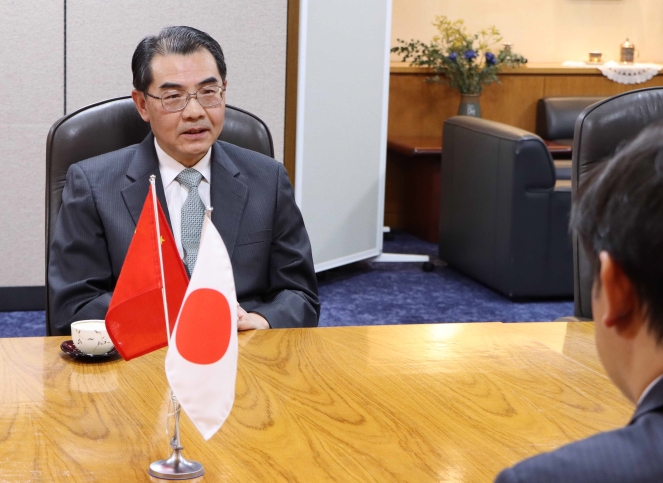
According to Japan’s Self-Defense Forces, China’s Liaoning aircraft carrier conducted roughly 100 fighter jet take-offs and landings as it travelled east into the Pacific Ocean past the Okinawa Islands. Tokyo lodged a formal protest on Sunday, summoning Chinese Ambassador Wu Jianghao after reporting that Chinese fighter jets aimed radar signals at Japanese aircraft that had been deployed to monitor the carrier group. Radar illumination is widely viewed as a hostile act because it can signal the preparation for an attack, prompting defensive maneuvers from targeted aircraft.
China rejected Japan’s accusations, arguing that Japanese aircraft endangered flight safety by approaching the Liaoning during training exercises with its missile destroyers. The Chinese embassy urged Japan to “stop smearing and slandering” and avoid further incidents. In response, Chief Cabinet Secretary Minoru Kihara dismissed China’s claims and emphasized that Japan would continue monitoring Chinese military movements closely while responding “calmly but firmly.”
The diplomatic dispute follows heightened rhetoric surrounding Taiwan, which China claims as its territory. Taiwan, just 110 km from Japan’s westernmost island in Okinawa, remains a critical flashpoint in the region. Beijing has also issued travel advisories for citizens heading to Japan and paused plans to resume seafood imports previously halted over the Fukushima treated-water release.
Japan remains a central strategic hub for U.S. military forces, hosting thousands of Marines in Okinawa. While Washington has not yet commented on the radar incident, U.S. Ambassador to Japan George Glass has expressed support for Tokyo as geopolitical tensions continue to rise.







