


 Bezalel Smotrich Faces Election Battle as Israel’s Far-Right Vote Fractures
  Joe Biden’s Prostate Cancer Has Spread Further, Hunter Biden Says
  North Korea May Deploy 120 Missiles to Russia
  Iran-Oman Near Strait of Hormuz Deal as Shipping Tensions Persist
  SEC Moves to Dismiss Insider Trading Case Against Trump-Pardoned Terren Peizer
  Trump Faces Tough Choices as Iran War Drags On
  Russia Intensifies Drone and Bomb Attacks on Ukraine’s Zaporizhzhia, Deepening Civilian Fear
  Trump Unveils $3 Billion U.S. Critical Minerals Push
  Senate Majority Leader John Thune Moves to Advance Crypto Clarity Act
  New Zealand MMP Electoral System Faces Fresh Referendum Debate
  Russian Strikes on Ukraine Kill Six, Wound Dozens in Balakliia and Sumy
  Trump Administration Weighs Executive Order on Vaccines and Autism Research
  Canada, US Hold Constructive Trade Talks as Tariff Negotiations Continue
  Germany Warns of Daily Hybrid Warfare Threats
  ICE to Complete Nationwide Body Camera Rollout by End of August
  Rubio, UK’s Miliband Stress Stronger European Security Role in Washington Talks


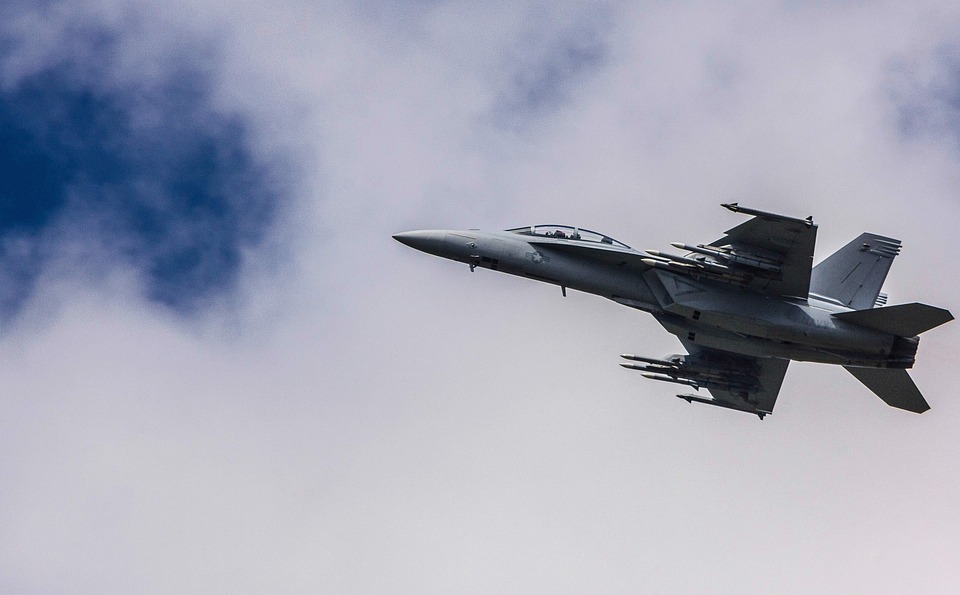
The Japanese defense ministry is reportedly planning to develop long-range missiles that are set to be deployed by the 2030s. The planned development follows the recent unveiling of the country’s largest military build-up in decades.
According to the Kyodo news agency Saturday, Japan’s defense ministry is making arrangements to develop missiles with a range of 3000 kilometers that could be ready to be deployed by the 2030s. Tokyo is looking to deploy a 2000-kilometer range missile by the early 2030s and a 3000-kilometer hypersonic missile that can reach any target in North Korea and parts of China by 2035.
The planned development follows the unveiling of the country’s biggest military build-up since World War Two. The $327 billion plan will see the procurement of missiles capable of striking China amidst tensions in the region and Russia’s invasion of Ukraine.
The defense budget is part of a significant $863 billion budget from next April and was approved by Prime Minister Fumio Kishida’s cabinet Friday last month. The increased budget was partly due to the increased defense spending, which is part of the government’s new National Security strategy.
Japan’s new defense spending target is also in line with NATO standards and will eventually bring Japan’s annual budget to $73 billion, making the country the third-largest military spender, following the United States and China.
The new National Security strategy aims to provide Japan with a “counter-strike capability” that can intercept potential enemy attacks and protect itself from the risks posed by North Korea, Russia, and China, which Tokyo fears may invade the democratically-governed Taiwan. The strategy marks a significant change in Japan’s exclusive self-defense stance since the end of World War Two.
The strategy cited China’s increasing military buildup and its rivalry with the US, and its increased military activities near Taiwan as an “unprecedented and the greatest strategic challenge” to Japan’s and the international community’s peace and security. Japan says having a counterstrike capability is indispensable and constitutional if it responds to signs of an imminent attack by an enemy.
However, experts have said that there is difficulty in carrying out such an attack without risking blame for striking first. Opponents have said Japan’s strike capabilities go beyond its pacifist post-World War II constitution.







