


 Joe Biden’s Prostate Cancer Has Spread Further, Hunter Biden Says
  Canada, US Hold Constructive Trade Talks as Tariff Negotiations Continue
  Abdul El-Sayed Wins Michigan Democratic Senate Primary, Sets Up Key Midterm Showdown
  Senate Majority Leader John Thune Moves to Advance Crypto Clarity Act
  US Expects Iran-Oman Hormuz Shipping Deal Soon
  US-Backed Venezuela Government, Opposition Talks Begin
  Rubio, UK’s Miliband Stress Stronger European Security Role in Washington Talks
  Trump Unveils $3 Billion U.S. Critical Minerals Push
  ICE to Complete Nationwide Body Camera Rollout by End of August
  Germany Warns of Daily Hybrid Warfare Threats
  US Expands Social Media Vetting to Foreign Journalists Seeking Visas
  Russian Strikes on Ukraine Kill Six, Wound Dozens in Balakliia and Sumy
  U.S. Unseals Charges Against Five Alleged CJNG Leaders, Raises Reward for New Cartel Chief
  Trump Orders Probe Into Pentagon Munitions Stockpile Leaks After Iran Conflict
  North Korea May Deploy 120 Missiles to Russia
  Trump Administration Plans $1 Billion Security Aid Package for Colombia


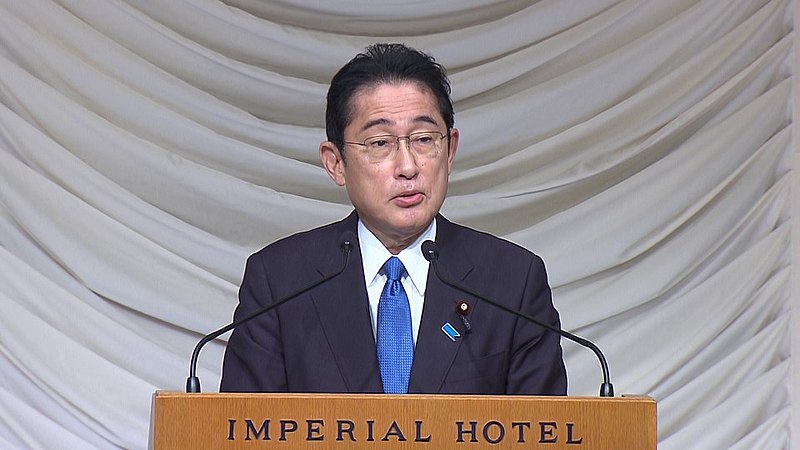
Japanese Prime Minister Fumio Kishida dismissed reconstruction minister Kenya Akiba this week. Akiba is the fourth minister in Kishida’s cabinet to be dismissed as the government attempts to shore up public support.
Speaking to reporters on Tuesday, Akiba – who is in charge of the reconstruction of Fukushima and other areas of Japan hit by disasters – said he was submitting his resignation after meeting with Kishida. Akiba’s resignation also follows allegations of mishandling political and election funds as well as ties to the controversial Unification Church, which has come under intense scrutiny this year.
Akiba reiterated that he did not violate any laws related to the issues that he faced backlash for. Instead, Akiba said that he was resigning as he did not want to further trouble the governing Liberal Democratic Party or stall the parliamentary debate with his presence in the cabinet. Akiba is also the fourth minister to leave Kishida’s cabinet since August.
The dismissal of Akiba is seen as an attempt by Kishida to remove the obstacles in passing major budget legislation, including a defense budget that aims to boost Japan’s strike defense capabilities.
“I take the responsibility of appointment very seriously,” said Kishida. “I will keep fulfilling my political responsibility by continuing to tackle a mountain of problems.”
Prior to Akiba, internal affairs minister Minoru Terada resigned in November over a funding scandal. Former reconstruction minister Hiromichi Watanabe will be replacing Akiba in the position, and his appointment will be made official following a palace ceremony.
Kishida’s approval ratings started to decline following the assassination of former Prime Minister Shinzo Abe back in July. The assassination of Abe revealed longtime ties between the governing LDP and the Unification Church, which critics describe as a cult.
Last week, Tokyo unveiled its defense budget for 2023 of a record $55 billion, a 20 percent increase amidst security concerns in the region due to threats posed by China and North Korea. Kishida’s cabinet approved the budget proposal on Friday last week of $863 billion, which increased due to defense spending and higher social security costs due to an aging population.
The new spending target by Japan is in line with the NATO standard and eventually pushes the country’s annual budget to around $73 billion, making Japan the third-largest military spender following the United States and China.







