


 Trump, Xi Focus on Trade and AI at White House Summit
  North Korea Rejects Nuclear Test Warning, Calls Nuclear Status Irreversible
  Mexico-US Trade Talks Delayed to October as Tariff Negotiations Continue
  Russian Envoy Dmitriev Heads to US for Ukraine Talks
  Russian Missile and Drone Attack on Kyiv Kills Two, Damages Maternity Hospital
  Europe Warns Russia Is Escalating Hybrid Attacks Across NATO
  Sudan Rejects US Legitimacy Remarks, Defends Sovereignty
  Gaza Faces Evacuation Crisis as War-Damaged Buildings Risk Collapse
  South Korea, US Discuss Warship Building Cooperation
  Abbas Reaffirms November 28 Palestinian Elections
  US Senate Rejects Iran War Powers Resolution in 50-49 Vote
  EU Defence Build-Up Too Slow for 2030 Russia Readiness Goal
  Netanyahu Defends Israel at UN as Delegates Stage Walkout
  Judge Orders Trump to Restore White House Access for CNN, MS NOW and Politico
  Trump Asks Supreme Court to Restore Third-Country Deportations
  Netanyahu Takes Aim at Mamdani as Israel Election Nears
  France Defends Netanyahu Airspace Clearance Despite ICC Warrant


 Add as a preferred source on Google
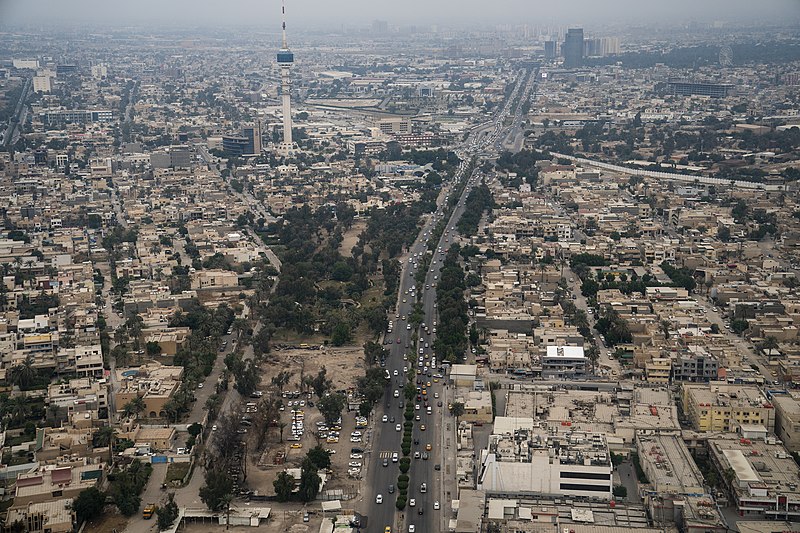
The escalated protests by supporters of Iraqi cleric Muqtada al-Sadr led the country’s security forces to implement a nationwide curfew. Following the withdrawal of Sadr’s supporters, security forces walked back their plan to implement the curfew.
Iraq’s security forces Tuesday walked back the plan to implement a nationwide curfew in light of the escalated protests, according to state media. The walk back by the security forces came after Sadr called on his supporters to stop the protests that have escalated into violence. 22 people were killed in the clashes between militias loyal to him and pro-Iran factions.
“This is not a revolution because it has lost its peaceful character,” said Sadr in televised remarks. “The spilling of Iraqi blood is forbidden.”
People were seen leaving the fortified Green Zone by the one-hour deadline Sadr gave.
The clashes between the rival factions of Iraq’s Shi’ite Muslim majority follow 10 months of deadlock that took place after the October elections. While Sadr and his faction gained the most seats in parliament, they were unsuccessful in forming a government that excluded the pro-Iran Shi’ite groups.
The weeks-long protests escalated when Sadr announced that he was quitting politics, citing the failure of other Shi’ite leaders and parties to reform the country’s governing system. Prior to Sadr’s address, an official for the Iraqi government said authorities are unable to impose control over the armed groups.
The official said the country’s military is also just as divided between those who are pro-Iran and those who support Sadr.
State media also reported that following Sadr’s call for his supporters to disperse and stop the protests, Iran reopened its border with Iraq. Tehran closed its borders and stopped flights to Iraq when the demonstrations turned violent.
Millions of Iranians travel to Kerbala in Iraq every year for Arbaeen, the ritual that marks the end of the 40-day mourning period for Imam Hussein, the grandson of the Prophet Mohammad. This year’s Arbaeen will take place on September 16 to 17.
“As security and calm have been restored in Iraq, all borders are open now,” said an Iranian official, according to state television.







