


 Trump, Xi Focus on Trade and AI at White House Summit
  EU Defence Build-Up Too Slow for 2030 Russia Readiness Goal
  Sudan Rejects US Legitimacy Remarks, Defends Sovereignty
  Mexico-US Trade Talks Delayed to October as Tariff Negotiations Continue
  US Backs Musk in Fight Against EU’s €120 Million X Fine
  Xi Calls for Deeper U.S.-China AI Cooperation in Trump Talks
  South Korea, US Discuss Warship Building Cooperation
  Russian Missile and Drone Attack on Kyiv Kills Two, Damages Maternity Hospital
  Netanyahu’s Brief US Trip Highlights Strains With Trump
  Netanyahu Takes Aim at Mamdani as Israel Election Nears
  Judge Orders Trump to Restore White House Access for CNN, MS NOW and Politico
  Kremlin Says No Decision Yet on Putin-Trump December Summit
  North Korea Rejects Nuclear Test Warning, Calls Nuclear Status Irreversible
  What ‘Taiwan Independence’ Means as Xi Presses Trump on US Policy
  Ghana Says Western Support Growing for Slave Trade Reparations
  Ukrainian Drone Attacks Hit Russian Regions, Injuring at Least 12
  France Defends Netanyahu Airspace Clearance Despite ICC Warrant


 Add as a preferred source on Google
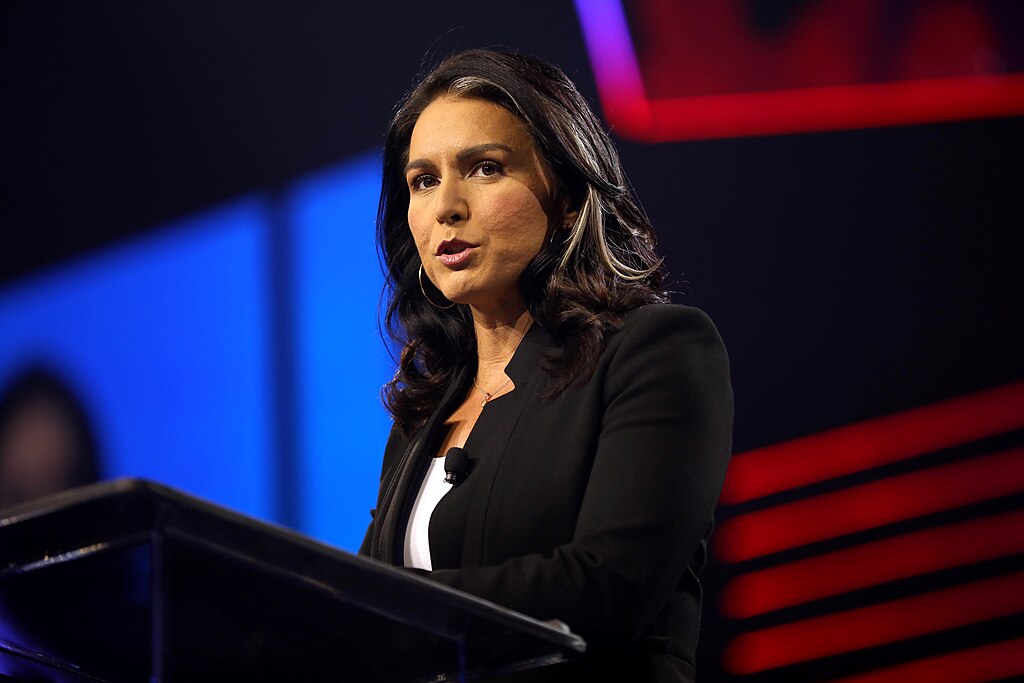
A team working under U.S. Director of National Intelligence Tulsi Gabbard carried out a previously unreported investigation into Puerto Rico’s electronic voting machines last spring, according to her office and multiple sources familiar with the matter. The inquiry, conducted in May, involved cooperation with the FBI and focused on potential vulnerabilities in the island’s election infrastructure.
Sources told Reuters the investigation was initially driven by claims that Venezuela may have interfered with Puerto Rico’s voting systems. However, they emphasized that no clear evidence of Venezuelan hacking or foreign interference was found. Gabbard’s office confirmed the operation but denied that Venezuela was a focus, stating instead that the goal was to assess cybersecurity and operational risks in electronic voting systems used in U.S. elections.
As part of the probe, investigators took possession of an unspecified number of voting machines and copied data from them. The Office of the Director of National Intelligence said this was standard forensic procedure. Officials noted that similar voting technology is used elsewhere in the United States and warned that vulnerabilities such as outdated cellular technology and software flaws could expose election systems to cyber threats.
The Puerto Rico operation has raised concerns among national security experts, who argue that domestic election security is typically handled by law enforcement agencies rather than intelligence services. Critics see the investigation as part of a broader effort by Trump administration officials to pursue unproven allegations of voter fraud following the 2020 presidential election. Gabbard’s recent appearance at an FBI raid of an election facility in Fulton County, Georgia, has further intensified scrutiny over ODNI’s role.
Gabbard’s office maintains it acted within its legal authority, citing its mandate to analyze intelligence related to election security and foreign interference. While Puerto Rico has faced administrative election issues in the past, local officials and lawmakers stress that these problems stem from mismanagement rather than foreign cyberattacks. To date, no credible evidence has surfaced supporting claims of Venezuelan involvement in U.S. or Puerto Rico elections, underscoring the controversy surrounding the investigation and its broader implications for election integrity.







