


 Russian Missile and Drone Attack on Kyiv Kills Two, Damages Maternity Hospital
  US Senate Rejects Iran War Powers Resolution in 50-49 Vote
  Russian Envoy Dmitriev Heads to US for Ukraine Talks
  US Invites Putin to Miami G20, Opening Door to Trump Summit
  Judge Orders Trump to Restore White House Access for CNN, MS NOW and Politico
  Netanyahu Defends Israel at UN as Delegates Stage Walkout
  Ghana Says Western Support Growing for Slave Trade Reparations
  France Defends Netanyahu Airspace Clearance Despite ICC Warrant
  Taiwan Thanks US for Support Ahead of Trump-Xi Summit
  North Korea Rejects Nuclear Test Warning, Calls Nuclear Status Irreversible
  Trump, Xi Focus on Trade and AI at White House Summit
  Sudan Rejects US Legitimacy Remarks, Defends Sovereignty
  US Backs Musk in Fight Against EU’s €120 Million X Fine
  Yemen Violence Displaces 130,000 as Civilian Toll Rises
  North Korea Warns South Korea Over US-Led Defense Role
  EU Defence Build-Up Too Slow for 2030 Russia Readiness Goal
  Netanyahu Takes Aim at Mamdani as Israel Election Nears


 Add as a preferred source on Google
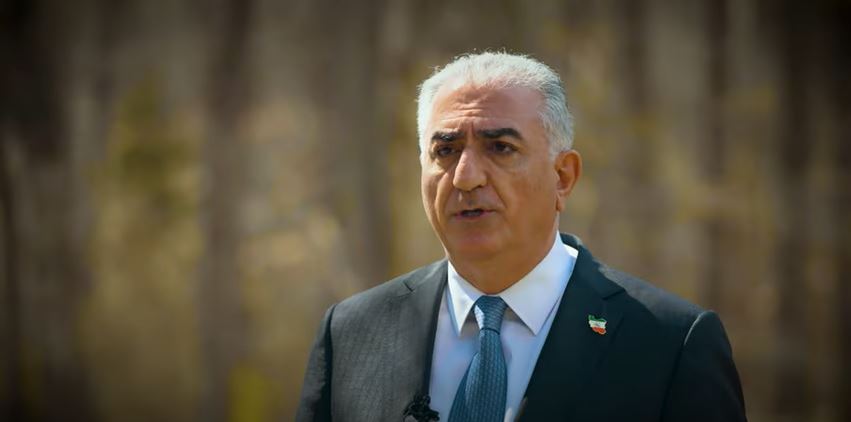
The exiled son of Iran’s Shah, who was overthrown during the 1979 Revolution, will be visiting Israel this week. The visit also comes amid ongoing tensions between Israel and Iran.
The Israeli government announced on Sunday that Reza Pahlavi, the exiled son of the ousted Iranian Shah Mohammed Reza Pahlavi, will be visiting Israel this week. Israel referred to Pahlavi as the “most senior Iranian personality” to make a public visit to the country. Israel and Iran had closer relations under the US-backed Pahlavi’s rule but have since turned into adversaries.
The Israeli government said in a statement that Reza Pahlavi’s visit to Israel aims to create a “bridge between Israel and the Iranian people and expressing joint opposition to the Ayatollah regime.”
“A democratic Iran will seek to renew its ties with Israel and our Arab neighbors,” said Reza Pahlavi, according to the statement. “In my opinion, that day is closer than ever.”
Reza Pahlavi will also be participating in Israel’s official Holocaust memorial ceremony during his visit.
Previously, Pahlavi has expressed his support for the ongoing anti-government protests taking place in Iran. The demonstrations were sparked in September following the death of Kurdish Iranian Mahsa Amini in the custody of the morality police. Amini died days after she was detained for allegedly violating the compulsory Islamic dress code, sparking public outrage with women defiantly removing or burning their veils.
In an interview with Reuters in February, Pahlavi said that a group of exiled Iranians is seeking to shore up support among opposition movements in the country in an effort to further pressure Iran’s clerical leaders in the midst of Tehran’s crackdown on the protests. The unrest has resulted in sanctions from the West, but Pahlavi said that sanctions are not enough and that internal pressure must also be done.
Pahlavi said they were looking into how they could support the opposition movement in Iran, adding that there have been discussions on “maximum pressure and more sanctions,” noting that there must also be just as much support as there is pressure. Pahlavi, who is based in Washington, said that the focus must be on making sure Iranians maintain access to the internet, helping fund labor strikes, and finding ways to ease money transfers to Iran.







