


 Saudi Arabia, Turkey and Pakistan Plan Urgent Defence Talks Over Houthi Attacks
  Trump, Xi Focus on Trade and AI at White House Summit
  Najib Razak Seeks Stay of 15-Year 1MDB Prison Sentence
  EU Defence Build-Up Too Slow for 2030 Russia Readiness Goal
  South Korea, US Discuss Warship Building Cooperation
  Judge Orders Trump to Restore White House Access for CNN, MS NOW and Politico
  Mexico-US Trade Talks Delayed to October as Tariff Negotiations Continue
  Netanyahu Takes Aim at Mamdani as Israel Election Nears
  Sudan Rejects US Legitimacy Remarks, Defends Sovereignty
  North Korea Rejects Nuclear Test Warning, Calls Nuclear Status Irreversible
  Abbas Reaffirms November 28 Palestinian Elections
  Kremlin Says No Decision Yet on Putin-Trump December Summit
  Ghana Says Western Support Growing for Slave Trade Reparations
  Ukrainian Drone Attacks Hit Russian Regions, Injuring at Least 12
  NATO Boosts Intelligence Sharing Amid Russia Hybrid Threats
  What ‘Taiwan Independence’ Means as Xi Presses Trump on US Policy
  Netanyahu’s Brief US Trip Highlights Strains With Trump


 Add as a preferred source on Google
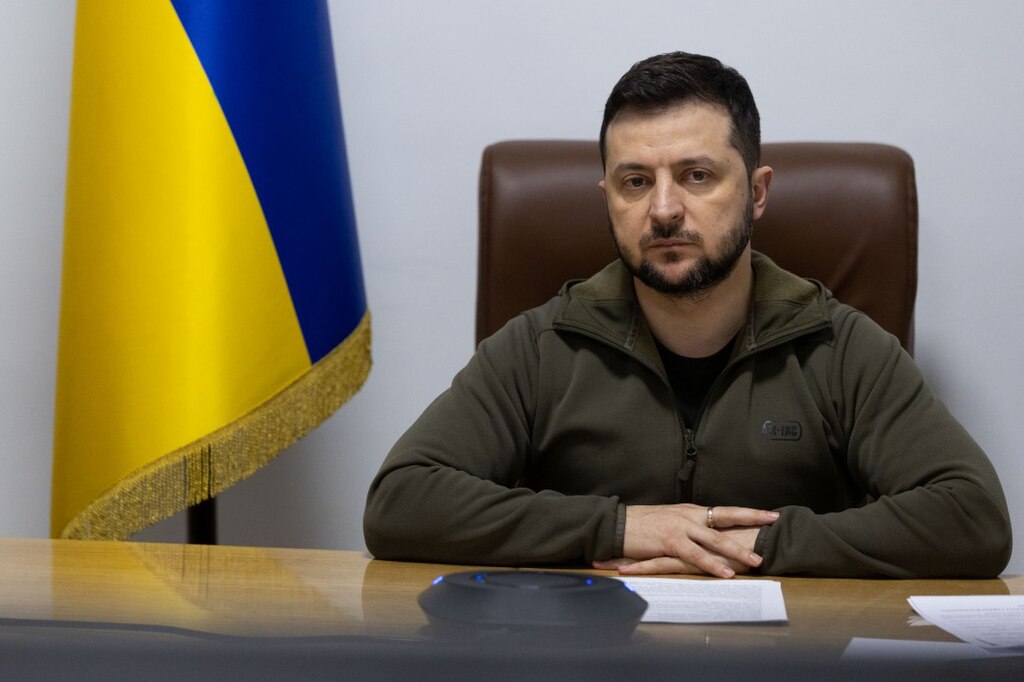
Ukrainian and Russian officials concluded what Kyiv described as a “productive” first day of new U.S.-brokered peace talks in Abu Dhabi, even as intense fighting continued across Ukraine in Europe’s largest conflict since World War Two. The two-day trilateral meetings, involving delegations from Ukraine, Russia, and the United States, are aimed at exploring pathways toward ending the four-year-old war.
Ukraine’s lead negotiator, Rustem Umerov, said discussions were focused on “concrete steps and practical solutions,” a sentiment echoed by a U.S. official who confirmed the talks would resume the following morning. Ukrainian President Volodymyr Zelenskiy stressed that the negotiations must deliver tangible progress toward peace, warning that Russia should not be allowed to use diplomacy as cover to prolong the war. He urged Ukraine’s allies to increase pressure on Moscow so that Ukrainians could feel real movement toward ending the conflict.
The talks come after Zelenskiy accused Russia of exploiting a U.S.-backed energy truce to stockpile weapons, followed by what he described as a record number of ballistic missile attacks on Ukraine. Shortly after negotiations began, Russian forces struck a busy market in eastern Ukraine using cluster munitions, killing at least seven civilians and wounding 15, according to regional authorities.
Zelenskiy said Ukraine hopes the talks will soon result in a new prisoner exchange. In a recent interview with French broadcaster France 2, he estimated that around 55,000 Ukrainian soldiers have been killed since the start of the war, an increase from the figure he cited earlier this year.
Despite renewed diplomatic engagement, major differences remain. Russia is demanding that Ukraine relinquish territory it still controls, including parts of the Donetsk region, and is pressing for conditions related to the Zaporizhzhia nuclear power plant, located in Russian-occupied territory. Ukraine, meanwhile, insists on freezing the conflict along current front lines and rejects any unilateral withdrawal of its forces.
Russia currently occupies about 20% of Ukraine’s territory, including Crimea and parts of eastern Ukraine. While analysts say Russia has made limited territorial gains since early 2024, public opinion in Ukraine remains strongly opposed to making painful territorial concessions. Many Ukrainians remain sceptical that the latest round of peace talks will lead to a breakthrough, even as international efforts to mediate the conflict intensify.







