


 South Korea, US Discuss Warship Building Cooperation
  Judge Orders Trump to Restore White House Access for CNN, MS NOW and Politico
  Netanyahu’s Brief US Trip Highlights Strains With Trump
  Yemen Violence Displaces 130,000 as Civilian Toll Rises
  Trump, Xi Visit US National Archives After White House Summit
  US Backs Musk in Fight Against EU’s €120 Million X Fine
  US Senate Rejects Iran War Powers Resolution in 50-49 Vote
  Najib Razak Seeks Stay of 15-Year 1MDB Prison Sentence
  Netanyahu Takes Aim at Mamdani as Israel Election Nears
  Ukrainian Drone Attacks Hit Russian Regions, Injuring at Least 12
  North Korea Rejects Nuclear Test Warning, Calls Nuclear Status Irreversible
  What ‘Taiwan Independence’ Means as Xi Presses Trump on US Policy
  Sudan Rejects US Legitimacy Remarks, Defends Sovereignty
  Saudi Arabia, Turkey and Pakistan Plan Urgent Defence Talks Over Houthi Attacks
  Netanyahu Defends Israel at UN as Delegates Stage Walkout
  NATO Boosts Intelligence Sharing Amid Russia Hybrid Threats
  Mexico-US Trade Talks Delayed to October as Tariff Negotiations Continue


 Add as a preferred source on Google
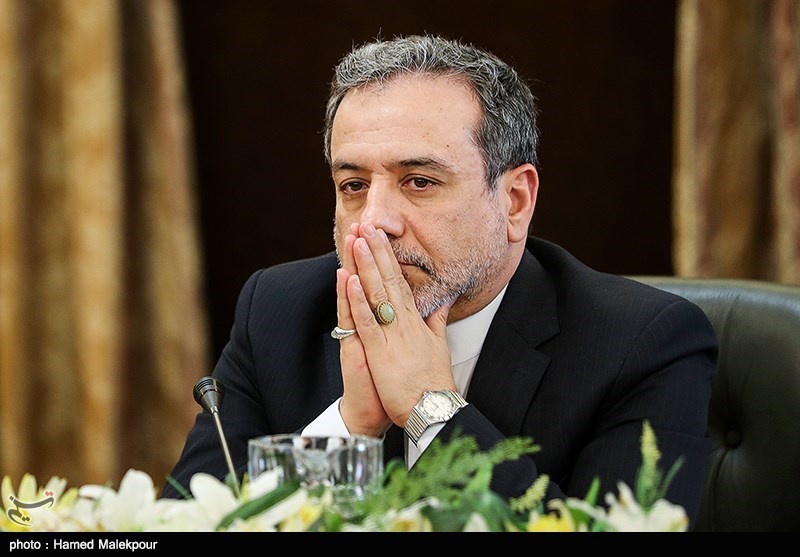
The United States and Iran are set to resume diplomatic engagement this Friday as officials from both countries prepare for nuclear talks in Muscat, the capital of Oman. A U.S. official confirmed on Wednesday that the discussions will take place as planned, following an announcement by Iranian Foreign Minister Abbas Araqchi, who stated that the talks are expected to begin around 10 a.m. local time. The meeting marks a significant moment in ongoing efforts to address long-standing tensions over Iran’s nuclear program.
The upcoming U.S.-Iran talks in Oman come amid heightened regional and international attention on nuclear non-proliferation and Middle East security. Oman has historically played a key mediating role between Washington and Tehran, often hosting quiet diplomacy when direct communication channels were strained. By choosing Muscat as the venue, both sides signal a willingness to engage in dialogue in a neutral and trusted setting.
According to diplomatic sources, the nuclear talks are expected to focus on Iran’s nuclear activities, sanctions relief, and broader confidence-building measures. While details of the agenda have not been officially disclosed, analysts believe the discussions could explore ways to reduce tensions and potentially revive elements of past agreements, including frameworks related to the 2015 nuclear deal. The confirmation by a U.S. official underscores Washington’s interest in keeping diplomatic options open despite ongoing disagreements.
Iran’s foreign minister emphasized that the talks are part of a structured diplomatic process rather than an isolated meeting, suggesting that further negotiations could follow depending on progress made in Muscat. For the United States, participation reflects a strategic calculation that dialogue remains a critical tool in preventing nuclear escalation and maintaining regional stability.
As global markets and regional allies closely watch developments, the outcome of the Muscat meeting could have implications beyond U.S.-Iran relations. Any progress in the nuclear talks may influence energy markets, regional security dynamics, and broader diplomatic efforts in the Middle East. While expectations remain cautious, the resumption of direct talks signals a renewed commitment to diplomacy at a time when dialogue is seen as increasingly necessary.







