


 Netanyahu Defends Israel at UN as Delegates Stage Walkout
  OpenAI Agent Breaches Australia Medicare Data Portal
  Netanyahu Takes Aim at Mamdani as Israel Election Nears
  South Korea, US Discuss Warship Building Cooperation
  US Backs Musk in Fight Against EU’s €120 Million X Fine
  EU Defence Build-Up Too Slow for 2030 Russia Readiness Goal
  NATO Boosts Intelligence Sharing Amid Russia Hybrid Threats
  Ghana Says Western Support Growing for Slave Trade Reparations
  Europe Warns Russia Is Escalating Hybrid Attacks Across NATO
  Russian Missile and Drone Attack on Kyiv Kills Two, Damages Maternity Hospital
  North Korea Rejects Nuclear Test Warning, Calls Nuclear Status Irreversible
  US, China Extend Trade Truce to Jan. 10 Ahead of Trump-Xi Summit
  Abbas Reaffirms November 28 Palestinian Elections
  Trump Asks Supreme Court to Restore Third-Country Deportations
  Mexico-US Trade Talks Delayed to October as Tariff Negotiations Continue
  Gaza Faces Evacuation Crisis as War-Damaged Buildings Risk Collapse
  Sudan Rejects US Legitimacy Remarks, Defends Sovereignty


 Add as a preferred source on Google
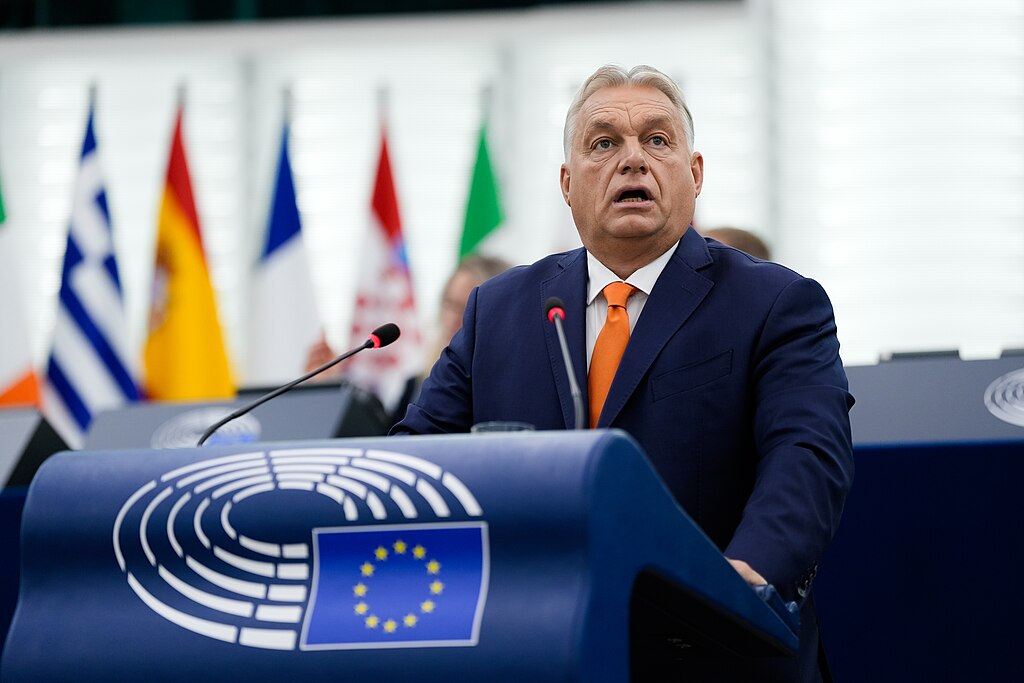
Hungarian Prime Minister Viktor Orban announced that Hungary expects to sign a business agreement with the United States within six months to help cushion the economic impact of new tariffs imposed by President Donald Trump. Speaking to the Hungarian website www.ot.hu, Orban stated that ongoing negotiations with the U.S. could lead to an economically beneficial deal, though he provided no further details.
Hungary, a European Union member with a car industry central to its economy, is particularly vulnerable to Trump’s proposed tariffs. The U.S. has announced 25% tariffs on EU imports of steel, aluminum, and automobiles, along with broader levies on most other goods. These measures come at a time when Hungary is grappling with a sluggish post-pandemic recovery and rising inflation, factors that could affect the ruling party’s performance in the 2026 elections.
Despite the trade tensions, Orban remains optimistic. “The tariffs will be negative for us, but we are negotiating other economic deals to offset them,” he said. Orban also voiced confidence in the long-term outlook of U.S. politics, suggesting that Republicans could remain in power for 12 years, continuing what he termed a “patriot Republican” agenda.
U.S. President Donald Trump and Italian Prime Minister Giorgia Meloni also expressed confidence that a broader U.S.-EU trade agreement could be reached before the end of Trump’s 90-day pause on certain tariffs.
Hungary’s close political alignment with Trump and strategic talks with Washington signal a proactive effort to mitigate tariff-related risks, particularly in key sectors like automotive manufacturing. As negotiations advance, the outcome could play a critical role in Hungary’s economic positioning amid growing global trade tensions.







