


 Trump Board of Peace Unveils $2.45 Billion Gaza Recovery Plan
  Europe Warns Russia Is Escalating Hybrid Attacks Across NATO
  Taiwan Vows to Advance US Arms Sales Ahead of Trump-Xi Meeting
  Sudan Rejects US Legitimacy Remarks, Defends Sovereignty
  Macron, Trump Discuss Ukraine-Russia Energy Strike Moratorium
  US Invites Putin to Miami G20, Opening Door to Trump Summit
  Scott Bessent Eyed as Trump’s New AI Czar
  Venezuela Promises Elections as Delcy Rodriguez Pledges Democratic Transition
  Trump Meets Venezuela’s Delcy Rodriguez at UN Assembly
  Iran Vows ‘Crushing’ Response as US Talks Continue
  Vietnam, US Trade Deal Could Be Signed Soon, To Lam Says
  US Officials Split Over Response to Israeli West Bank Settlements
  Ghana Says Western Support Growing for Slave Trade Reparations
  Canada Unveils Bill to Fast-Track Major Resource Projects
  Russian Strikes Kill Eight Across Ukraine as Energy Sites Hit
  Lula and Flavio Bolsonaro Tied in Brazil Runoff Poll
  Macron Challenges Trump’s Gaza Peace Claims at UN


 Add as a preferred source on Google
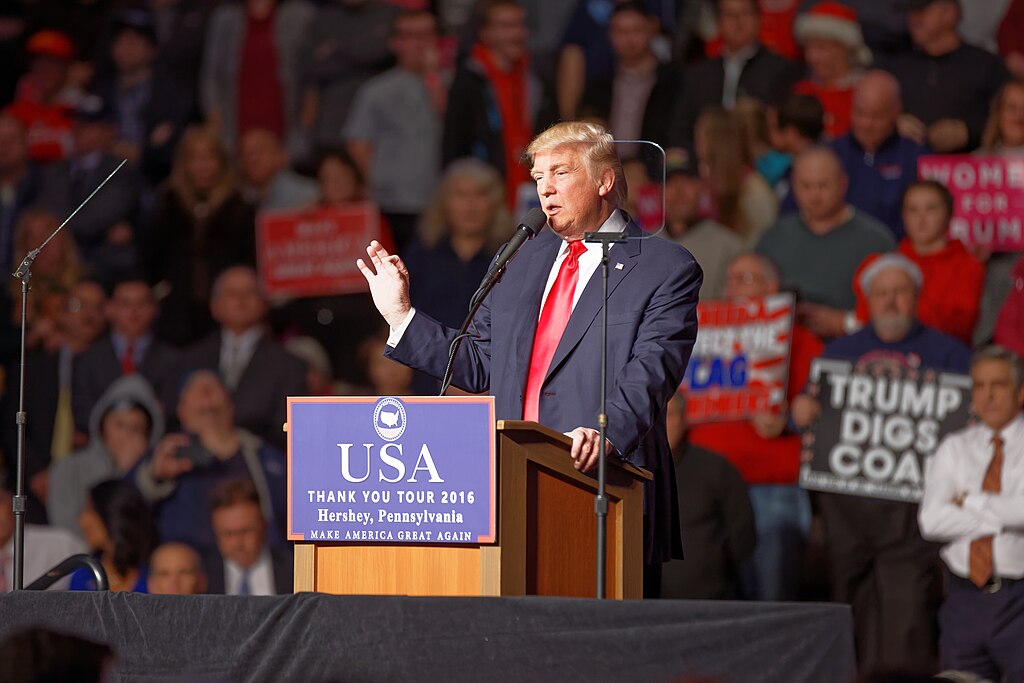
In 2025, Donald Trump’s defense policies have become a focal point of international debate, stirring reactions across the global political spectrum. Proponents argue that his strategies enhance national security and reinforce U.S. dominance on the global stage. However, critics warn of increased geopolitical tensions and risks to long-term global stability.
Strengthening U.S. Military Power and Alliances
Trump’s defense policies emphasize bolstering military capabilities through increased defense spending and modernization of the U.S. Armed Forces. The administration has allocated significant funds for advanced weaponry, cybersecurity initiatives, and space defense programs. According to the Department of Defense, these measures are aimed at maintaining a strategic edge over adversaries such as China and Russia.
Additionally, Trump has sought to redefine U.S. alliances, pressing NATO members to increase their defense budgets. This move has garnered mixed reactions. While allies like Poland have expressed support, others, including Germany, have voiced concerns about strained relations and reduced cohesion within the alliance.
The administration has also prioritized expanding partnerships in the Indo-Pacific region. Efforts to strengthen ties with Japan, South Korea, and Australia are designed to counterbalance China’s growing influence. However, analysts caution that an aggressive military posture risks escalating tensions in the region.
Controversial Decisions on Global Engagement
Trump’s approach to global defense has not been without controversy. The administration’s decision to withdraw U.S. troops from key Middle Eastern locations, such as Syria, has drawn criticism from military experts. Critics argue that such moves could create power vacuums, potentially empowering extremist groups.
Conversely, Trump’s pivot to focus on Asia has earned praise from those advocating for a reallocation of resources to address emerging threats. Yet, the administration’s stance on international arms sales has sparked debate. A recent deal with Saudi Arabia, worth billions, has raised ethical concerns due to the kingdom’s human rights record and involvement in Yemen’s ongoing conflict.
Trump’s defense policies have also prompted discussions on nuclear deterrence. His administration has advocated for a stronger nuclear arsenal, claiming it ensures peace through strength. However, arms control advocates warn that this approach risks undermining decades of non-proliferation efforts.
Public and Global Reactions
Reactions to Trump’s defense strategies have been polarized, as seen in a surge of social media commentary:
- @GlobalPeaceNow: “Increased defense spending doesn’t equal peace. These policies risk making the world a more dangerous place.”
- @PatriotDefense: “Finally, a president who puts America’s security first. This is what true leadership looks like.”
- @DiplomacyMatters: “Strong defense is essential, but where’s the focus on diplomacy? Aggression alone won’t solve global problems.”
- @HumanRightsWatch: “Selling weapons to regimes with poor records on human rights is not the America we stand for.”
- @StrategicAnalyst: “Balancing military might with smart diplomacy is key. Trump’s policies lean too heavily on force.”
- @VeteransSpeakOut: “Modernizing the military is overdue, but withdrawing from key regions sends mixed signals to allies.”







