


 Kremlin Says No Grounds Yet for Ukraine Peace Talks
  Canada Unveils Bill to Fast-Track Major Resource Projects
  US Invites Putin to Miami G20, Opening Door to Trump Summit
  South Korea, US Discuss Warship Building Cooperation
  Trump Administration Plans Faster FDA Reviews for Smoke-Free Nicotine Products
  Ghana Says Western Support Growing for Slave Trade Reparations
  Macron, Trump Discuss Ukraine-Russia Energy Strike Moratorium
  Lula and Flavio Bolsonaro Tied in Brazil Runoff Poll
  Russian Envoy Dmitriev Heads to US for Ukraine Talks
  Trump Says U.S.-Iran Peace Deal Near After UN Talks
  Iran Vows ‘Crushing’ Response as US Talks Continue
  Marco Rubio to Meet Russia’s Lavrov in New York
  Trump to Press Xi on Release of US Nuclear Expert Held in China
  US Officials Split Over Response to Israeli West Bank Settlements
  Venezuela Promises Elections as Delcy Rodriguez Pledges Democratic Transition
  Russian Strikes Kill Eight Across Ukraine as Energy Sites Hit
  China Tightens Fentanyl Rules Ahead of Trump-Xi Summit


 Add as a preferred source on Google
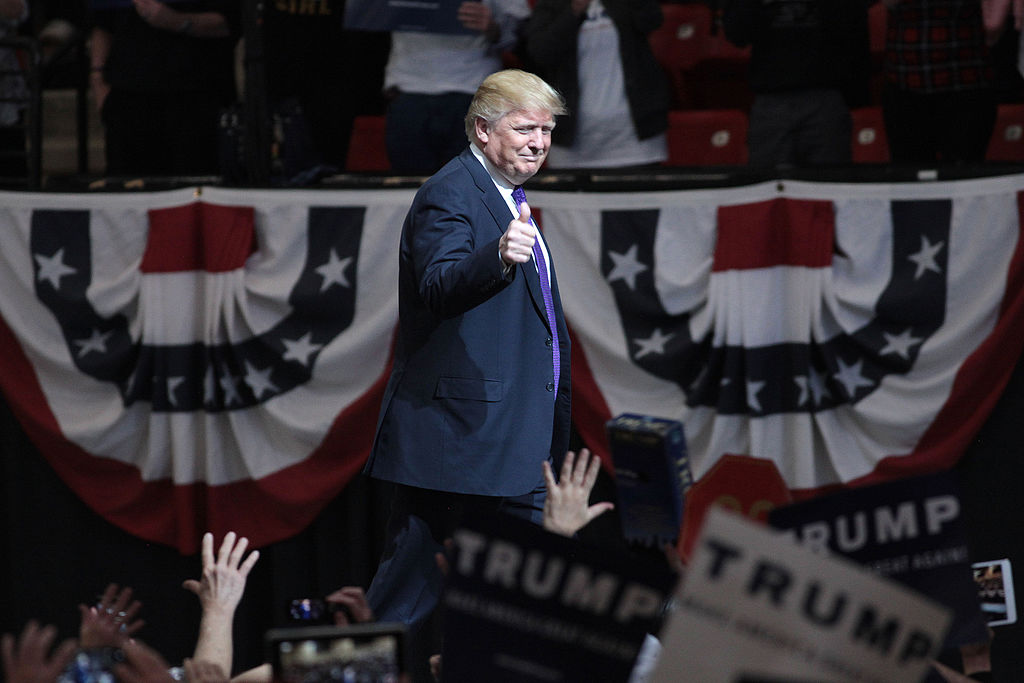
Former President Donald Trump is turning his attention to the nation’s crumbling public transportation systems in 2025. As part of his infrastructure agenda, Trump’s funding proposals aim to modernize transit networks, expand accessibility, and boost economic productivity. However, critics have raised concerns about his prioritization of funding and the potential exclusion of urban areas historically dependent on federal support.
Modernizing Public Transit for Economic Growth
Trump’s vision for public transportation in 2025 includes a significant increase in federal spending to modernize aging infrastructure. According to White House insiders, the plan allocates billions for high-speed rail projects, electric buses, and the expansion of suburban transit networks. This marks a stark departure from previous administrations that emphasized urban transit systems in major cities like New York and Chicago.
Under this framework, Trump aims to prioritize rural and suburban areas that he claims were overlooked in past infrastructure initiatives. Advocates of the plan argue that expanding access to public transit in underserved regions could stimulate local economies, create jobs, and reduce dependency on personal vehicles.
Critics, however, argue that the exclusion of urban hubs may exacerbate transit inequities. Urban planners warn that neglecting dense cities, where millions rely on public transportation daily, could lead to worsening traffic congestion and hinder efforts to combat climate change.
Balancing Private Investments and Federal Oversight
A cornerstone of Trump’s proposal involves incentivizing private investment in public transportation projects. The plan encourages public-private partnerships (PPPs) to leverage private capital, promising tax breaks and subsidies for companies willing to invest in transit infrastructure.
Proponents of the PPP model highlight its potential to accelerate project timelines and reduce taxpayer burden. However, skeptics warn that excessive reliance on private funding could lead to increased fares, limited accountability, and prioritization of profit over public interest.
Trump has also proposed reducing federal oversight to streamline approvals for transit projects. While this move aims to cut bureaucratic red tape, transportation experts caution that it could compromise safety and environmental standards.
Social Media Reactions: Support, Skepticism, and Outrage
Public reaction to Trump’s public transit plan has been mixed, with many taking to social media to voice their opinions.
- @TransitForAll: “Finally! A president prioritizing rural transit needs. Urban centers already get enough attention. #TrumpTransit2025”
- @UrbanPlanner2025: “Neglecting cities like NYC in transit funding is shortsighted and dangerous. Millions depend on subways daily. #PublicTransitFail”
- @EcoWarrior99: “Electric buses are great, but ignoring urban transit undermines climate goals. Where’s the balance? #SustainabilityMatters”
- @MiddleAmericaMom: “Excited to see rural areas finally get the transit funding we deserve! Thank you, Trump! #Infrastructure”
- @DataDrivenPolicy: “PPP models sound good on paper but often lead to higher fares. Public transit must remain affordable. #PolicyMatters”
- @ClimateRealist123: “Streamlining projects is fine, but cutting oversight? That’s a recipe for disaster. #TransitSafetyFirst”







