


 Russian Missile and Drone Attack on Kyiv Kills Two, Damages Maternity Hospital
  Gaza Faces Evacuation Crisis as War-Damaged Buildings Risk Collapse
  US Invites Putin to Miami G20, Opening Door to Trump Summit
  Europe Warns Russia Is Escalating Hybrid Attacks Across NATO
  Trump Says ‘Freedom’ Is Coming to Cuba
  Trump Board of Peace Unveils $2.45 Billion Gaza Recovery Plan
  Iran Vows ‘Crushing’ Response as US Talks Continue
  Ghana Says Western Support Growing for Slave Trade Reparations
  Zelenskiy Warns Russia Preparing Major Attack on Ukraine
  Russian Envoy Dmitriev Heads to US for Ukraine Talks
  Sudan Rejects US Legitimacy Remarks, Defends Sovereignty
  Kremlin Says No Grounds Yet for Ukraine Peace Talks
  Russian Strikes Kill Eight Across Ukraine as Energy Sites Hit
  Trump Meets Venezuela’s Delcy Rodriguez at UN Assembly
  Trump Administration Plans Faster FDA Reviews for Smoke-Free Nicotine Products
  US, China Extend Trade Truce to Jan. 10 Ahead of Trump-Xi Summit
  Judge Orders Trump to Restore White House Access for CNN, MS NOW and Politico


 Add as a preferred source on Google
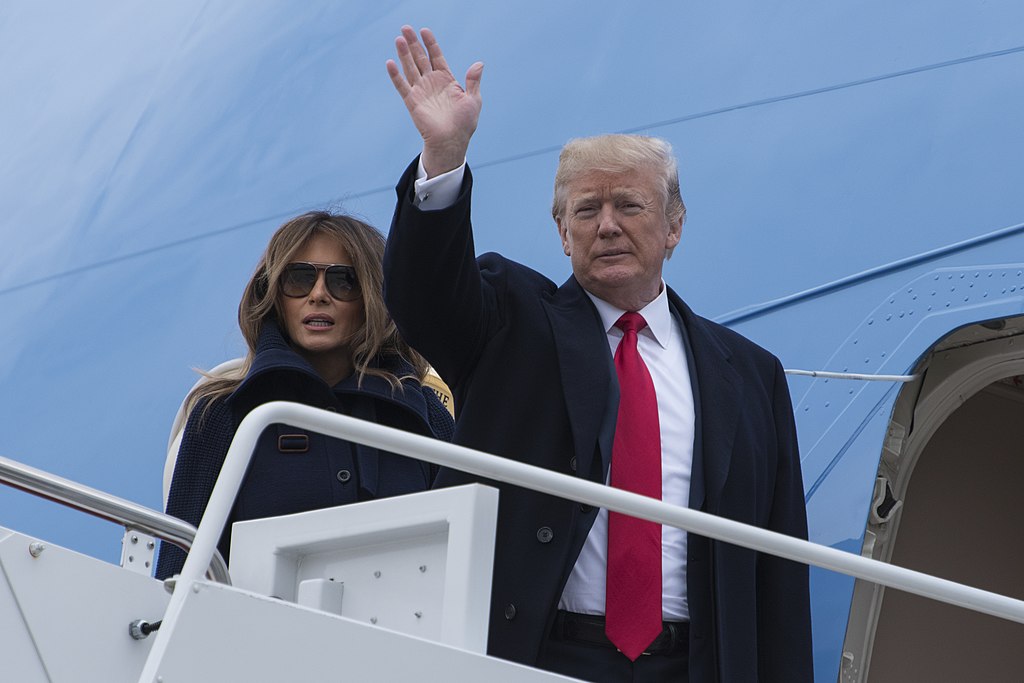
As Donald Trump prepares to step into the presidency for a second term, his approach to managing public health emergencies has become a major focal point of debate. With the lessons of COVID-19 fresh in the public’s mind, Trump’s plans for addressing future health crises have drawn both praise and skepticism.
Trump’s Public Health Strategy for 2025
Trump’s administration has signaled that its public health strategy will focus on boosting the nation’s emergency response infrastructure, streamlining supply chains for medical equipment, and fostering innovation in vaccine development. A key proposal includes increasing federal funding for the Centers for Disease Control and Prevention (CDC) and state-level health departments to better prepare for pandemics.
In addition, Trump’s team has highlighted plans to establish a dedicated task force to address global health threats. This initiative would reportedly prioritize partnerships with pharmaceutical companies to ensure rapid vaccine production and distribution in the event of a health emergency.
“We need a robust system to respond quickly and decisively,” said Dr. Andrew Hamilton, a public health policy analyst. “Investing in preparedness now can save lives and reduce economic fallout during future crises.”
Mixed Public Reactions
The public response to Trump’s health emergency strategy has been polarized. Supporters view it as a proactive step to address weaknesses exposed during the COVID-19 pandemic, while critics question its feasibility and execution.
User @PublicHealthWarrior tweeted, “Finally, someone is taking pandemic preparedness seriously. If done right, this could save millions of lives.” Another user, @SkepticalVoter, countered, “Trump’s track record doesn’t inspire confidence. Will this plan actually work, or is it just for show?”
Other netizens expressed concerns about the role of private companies. “Pharma partnerships are fine, but who’s paying? Watch out for taxpayer-funded bailouts,” wrote @HealthPolicyWatch. Meanwhile, @OptimistMD posted, “Speeding up vaccine production is a game-changer. Collaboration is key to fighting global health threats.”
Critics also raised questions about funding. “Increasing CDC budgets is great, but where’s the money coming from? Other programs might get cut,” tweeted @FiscalRealist. Conversely, @EmergencyPrepFan urged, “Let’s focus on the positives. Preparedness is an investment, not a cost.”
Challenges to Implementation
While Trump’s proposals have sparked widespread debate, challenges remain. Securing bipartisan support for increased public health funding could prove difficult amid concerns about government spending. Additionally, experts warn that coordination between federal and state agencies will be crucial to ensure efficient response systems.
Dr. Hamilton emphasized the need for transparency and accountability in implementing these plans. “Public trust is critical during health crises. Clear communication and swift action will determine whether these initiatives succeed.”
As Trump’s administration unveils its full strategy for managing public health emergencies in 2025, the nation watches closely to see if these proposals can meet the challenge of protecting public safety.







