


 US Officials Split Over Response to Israeli West Bank Settlements
  Trump Says ‘Freedom’ Is Coming to Cuba
  Ghana Says Western Support Growing for Slave Trade Reparations
  Scott Bessent Eyed as Trump’s New AI Czar
  Burnham Eyes UK Leadership Role in AI Ahead of Trump Meeting
  South Korea, US Discuss Warship Building Cooperation
  Kremlin Says No Grounds Yet for Ukraine Peace Talks
  Taiwan Vows to Advance US Arms Sales Ahead of Trump-Xi Meeting
  Venezuela Promises Elections as Delcy Rodriguez Pledges Democratic Transition
  Trump Administration Plans Faster FDA Reviews for Smoke-Free Nicotine Products
  Trump Board of Peace Unveils $2.45 Billion Gaza Recovery Plan
  Marco Rubio to Meet Russia’s Lavrov in New York
  Russian Envoy Dmitriev Heads to US for Ukraine Talks
  Zelenskiy Warns Russia Preparing Major Attack on Ukraine
  Vietnam, US Trade Deal Could Be Signed Soon, To Lam Says
  Lula and Flavio Bolsonaro Tied in Brazil Runoff Poll
  US Invites Putin to Miami G20, Opening Door to Trump Summit


 Add as a preferred source on Google
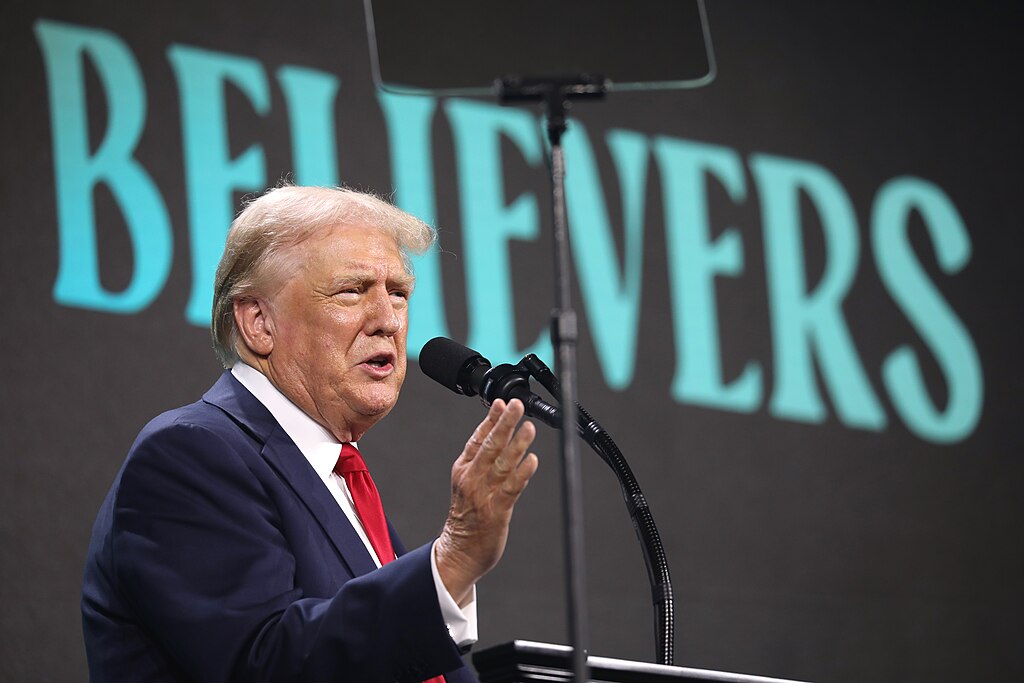
As President-elect Donald Trump prepares to assume office in January 2025, his administration has unveiled a series of initiatives aimed at tackling the nation's housing affordability crisis. These proposals, which include tax incentives for homebuyers, deregulation of housing construction, and the development of new residential areas on federal land, have sparked a heated debate among policymakers, industry experts, and the public.
Tax Incentives and Deregulation
Central to Trump's housing strategy is the introduction of tax incentives designed to make homeownership more accessible. The plan proposes tax credits for first-time homebuyers and reductions in property taxes for homeowners, aiming to alleviate financial burdens and stimulate the housing market.
In addition, the administration intends to roll back regulations that are perceived to hinder housing development. By streamlining the approval process for new construction and reducing compliance costs, the goal is to increase the supply of affordable housing units. Critics, however, caution that such deregulation could lead to substandard construction and environmental concerns.
Development on Federal Land
A particularly ambitious component of the plan involves the development of residential communities on federally owned land. Dubbed "Freedom Cities," these proposed developments aim to create new urban centers with affordable housing options. Proponents argue that utilizing federal land could address housing shortages in high-demand areas. Skeptics question the feasibility of such projects, citing potential legal, environmental, and logistical challenges.
Public Reaction and Expert Analysis
The public response to Trump's housing proposals has been mixed. Supporters praise the initiatives as bold steps toward resolving the housing crisis. Twitter user @PatriotGuardians commented, "Finally, a president who understands the struggles of homebuyers. #AffordableHousing." Conversely, critics express skepticism about the effectiveness and potential unintended consequences of the plans. User @JusticeForAll tweeted, "Deregulation could lead to unsafe housing conditions. We need smart solutions, not shortcuts."
Housing experts are also divided. Some believe that the proposed tax incentives and deregulation could stimulate housing development and make homeownership more attainable. Others warn that without adequate safeguards, these measures might exacerbate existing issues, such as urban sprawl and environmental degradation.
Outlook
As the Trump administration moves forward with its housing agenda, the success of these initiatives will depend on effective implementation and collaboration with state and local governments. The balance between promoting development and ensuring quality and sustainability remains a critical concern. The coming months will be pivotal in determining whether these proposals can deliver on their promise to make housing more affordable for Americans.







