


 Scott Bessent Eyed as Trump’s New AI Czar
  Russian Envoy Dmitriev Heads to US for Ukraine Talks
  US, China Extend Trade Truce to Jan. 10 Ahead of Trump-Xi Summit
  Trump Board of Peace Unveils $2.45 Billion Gaza Recovery Plan
  Macron, Trump Discuss Ukraine-Russia Energy Strike Moratorium
  Taiwan Vows to Advance US Arms Sales Ahead of Trump-Xi Meeting
  Macron Challenges Trump’s Gaza Peace Claims at UN
  Vietnam, US Trade Deal Could Be Signed Soon, To Lam Says
  Iran Vows ‘Crushing’ Response as US Talks Continue
  US Invites Putin to Miami G20, Opening Door to Trump Summit
  Ghana Says Western Support Growing for Slave Trade Reparations
  Trump Says U.S.-Iran Peace Deal Near After UN Talks
  Trump Administration Plans Faster FDA Reviews for Smoke-Free Nicotine Products
  Gaza Faces Evacuation Crisis as War-Damaged Buildings Risk Collapse
  Canada Unveils Bill to Fast-Track Major Resource Projects
  Burnham Eyes UK Leadership Role in AI Ahead of Trump Meeting
  Europe Warns Russia Is Escalating Hybrid Attacks Across NATO


 Add as a preferred source on Google
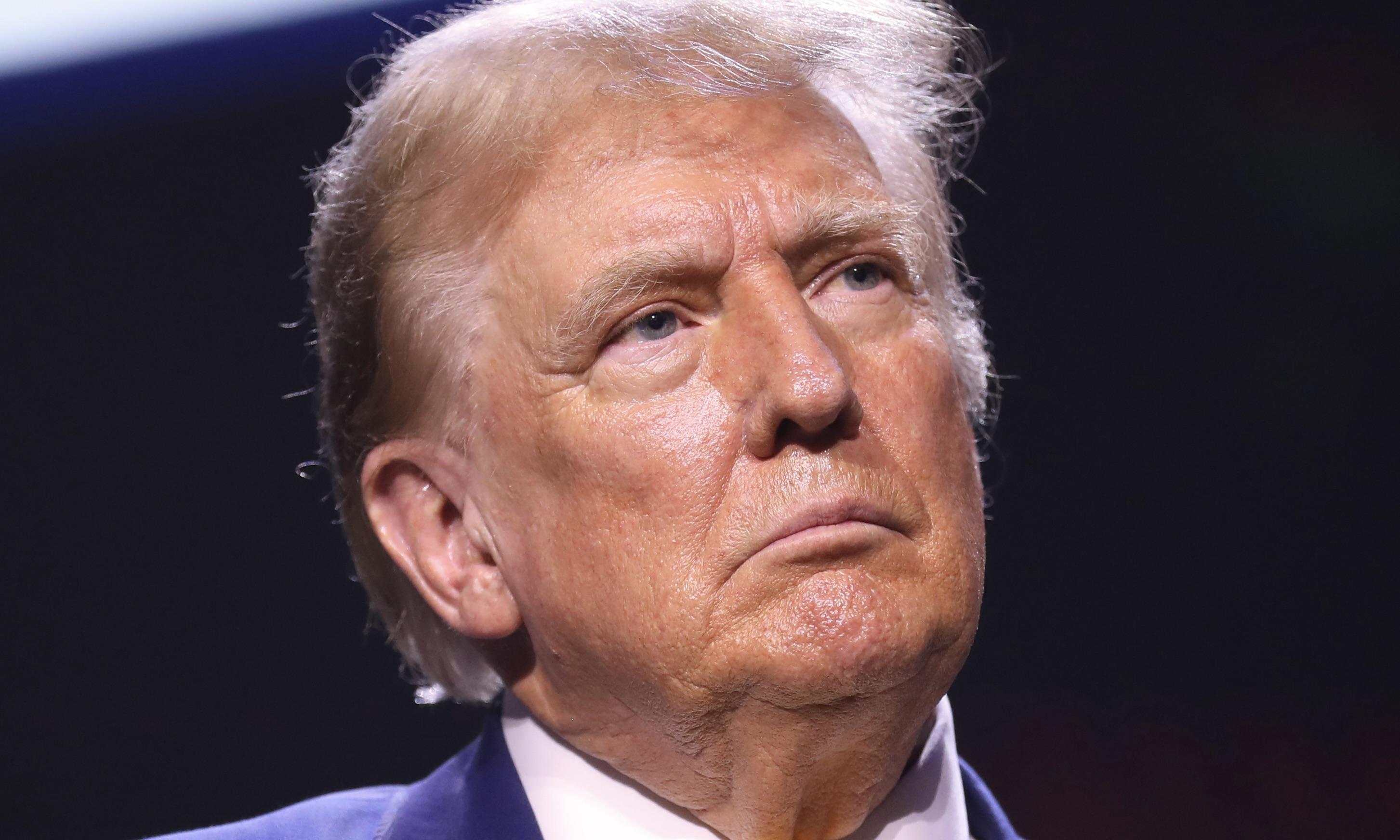
As President-elect Donald Trump prepares to implement his 2025 trade policies, the global economy braces for significant shifts. Trump's "America First" agenda emphasizes aggressive tariff measures aimed at reducing trade deficits and revitalizing domestic manufacturing. However, these strategies have sparked widespread debate over their potential winners and losers.
Aggressive Tariff Measures
Central to Trump's trade strategy is the imposition of substantial tariffs on imports. Proposals include a 10% to 20% baseline tariff on all imports, with specific levies as high as 60% targeting Chinese goods.
These measures aim to protect American industries from foreign competition and encourage domestic production.
Impact on U.S. Industries
Supporters argue that higher tariffs will benefit U.S. manufacturers by leveling the playing field against cheaper foreign imports. Industries such as steel, aluminum, and automotive manufacturing could experience growth due to reduced competition. However, sectors reliant on imported materials, like electronics and consumer goods, may face increased production costs, potentially leading to higher prices for consumers.
Global Economic Repercussions
Internationally, Trump's trade policies have raised concerns about escalating trade tensions. China, a primary target of the proposed tariffs, has indicated readiness to retaliate with its own trade barriers, potentially igniting a trade war.
European allies have also expressed apprehension, fearing that U.S. protectionism could disrupt global supply chains and economic stability.
Market Reactions
Financial markets have responded with volatility to the anticipated trade policies. While some U.S. stocks have shown resilience, analysts caution that prolonged trade disputes could dampen investor confidence and slow economic growth. The technology sector, in particular, faces uncertainty due to its reliance on global supply chains.
Public Opinion
Domestically, public opinion is divided. Advocates of the "America First" approach believe that stringent trade measures are necessary to protect American jobs and industries. Critics argue that such policies could lead to higher consumer prices and strained international relations.
On social media, reactions are polarized. Twitter user @PatriotGuardians expressed support, stating, "Finally, a president who puts American workers first. #AmericaFirst." Conversely, @GlobalEconomist tweeted, "Trade wars hurt everyone. We need cooperation, not conflict. #TradeNotTariffs."
Outlook
As the Trump administration moves forward with its trade agenda, the global economy stands at a crossroads. The effectiveness of these policies in achieving their intended goals remains uncertain, and the potential for unintended consequences looms large. Stakeholders across industries and borders will be closely monitoring developments, preparing to adapt to the evolving trade landscape.







