


 Japan Private-Sector Growth Slows as Domestic Demand Weakens
  Asian Stocks Fall as Bond Yields Surge Ahead of Trump-Xi Summit
  U.S. 10-Year Treasury Yield Hits 2007 High as Fed Rate Hike Bets Rise
  Gold Holds Near $4,275 as Rising Treasury Yields Fuel Fed Rate Hike Bets
  U.S. Dollar Hits Two-Month High as Oil, Treasury Yields Surge
  US 10-Year Treasury Yield at 6% Emerges as New Market Risk Threshold
  Fed Unveils Stablecoin Rules Under GENIUS Act
  US, China Extend Trade Truce to Jan. 10 Ahead of Trump-Xi Summit
  Fed Unveils Stablecoin Rules Under GENIUS Act
  Asian Stocks Fall as Surging Bond Yields Rattle Markets
  Asian Currencies Mixed as Dollar Holds Near Two-Month High
  European Stocks Fall as Bond Yields and Geopolitical Risks Weigh
  Mexico-US Trade Talks Delayed to October as Tariff Negotiations Continue
  Oil Prices Surge as U.S.-Iran Diplomacy Hopes Fade
  Australia Unemployment Hits Five-Year High Despite Strong Jobs Growth
  South Korea, US Discuss Warship Building Cooperation
  Oil Prices Jump 3% as Houthi Attack Revives Supply Fears


 Add as a preferred source on Google
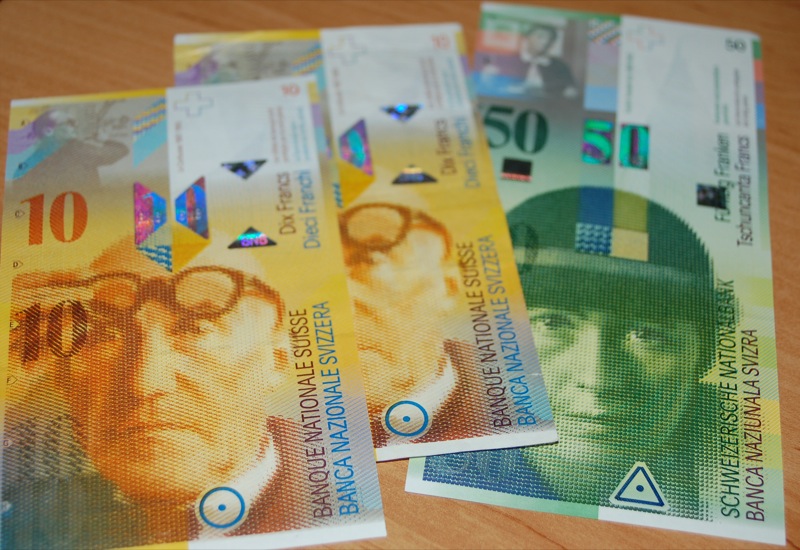
Global currency markets swung sharply on Monday as investors rushed toward safe-haven assets following U.S. and Israeli airstrikes on Iran that reportedly killed Supreme Leader Ayatollah Ali Khamenei. The escalating Middle East conflict triggered a surge in the U.S. dollar and Swiss franc, while the euro and other risk-sensitive currencies fell amid fears of prolonged geopolitical instability.
The Swiss franc climbed as much as 0.4% to 0.7661 per dollar and strengthened 0.6% against the euro to 0.9030, its strongest level since 2015, before trimming gains. Analysts described the move as a classic “risk-off” reaction, as uncertainty surrounding oil prices and the potential closure of the Strait of Hormuz weighed heavily on market sentiment.
Oil prices jumped roughly 9% in early trading due to concerns over disruptions to global energy supplies and sea-borne trade routes. Iran reportedly retaliated by striking U.S. and British oil tankers, with explosions also reported over Dubai and Doha. The developments intensified fears of a broader regional conflict that could last several weeks. U.S. President Donald Trump suggested the military campaign may continue for up to a month.
The U.S. dollar strengthened broadly, while the euro fell 0.3% to $1.1784 and the British pound declined 0.3% to $1.3451, pressured by Europe’s reliance on energy imports and low natural gas reserves. The Japanese yen initially gained but later weakened 0.2% to 156.235 per dollar as traders assessed the impact of higher oil prices on Japan’s import costs and the Bank of Japan’s interest rate outlook.
Risk-sensitive currencies such as the Australian and New Zealand dollars also retreated, while China’s offshore yuan slipped 0.1% amid concerns over energy imports. As geopolitical tensions rise, currency markets remain focused on oil price volatility, central bank policy expectations, and the potential for extended instability in the Middle East.







