


 New Zealand Unemployment and Inflation Debate Intensifies Ahead of 2026 Election
  Gold Falls Below $4,000 as Strong Dollar and Fed Rate Hike Expectations Weigh on Prices
  South Korea Signals Possible Interest Rate Hike as Inflation Remains Elevated
  Iran Attack in Strait of Hormuz Pushes Oil Prices Higher
  Asian Stocks Sink as Apple Price Hikes Spark AI Valuation Fears, South Korea and Japan Lead Selloff
  BOJ Hawk Signals Faster Interest Rate Hikes Amid Inflation Risks
  Morgan Stanley Sees Chinese Auto Market Recovery Gaining Momentum in Late Summer
  BoE Policymaker Alan Taylor Signals No Need for Interest Rate Hike Amid Iran War Inflation Risks
  U.S. Dollar Reaches One-Year High as Tech Sell-Off and Fed Rate Hike Expectations Support Demand
  BOJ Raises Interest Rates to 1% as Inflation Pressures Persist
  Gold Prices Fall Below $4,000 as Strong Dollar, Fed Rate Hike Bets Weigh on Bullion
  Indonesia Plans Higher Asset Yields to Boost Rupiah and Restore Investor Confidence
  China Keeps Loan Prime Rates Unchanged for 13th Straight Month as Policymakers Prioritize Credit Demand Recovery
  RBI Hits Pause as Geopolitical Storm Clouds Gather
  Malaysia Central Bank Moves to Support Ringgit Amid Foreign Fund Outflows


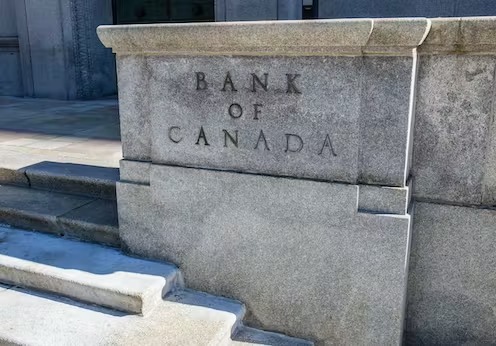
The United States Federal Reserve and Bank of Canada both held interest rates steady on Wednesday while signaling heightened vigilance as the ongoing Iran conflict continues to drive energy prices to alarming levels. The decisions came amid a critical week of global central bank meetings, forcing policymakers to once again navigate the delicate balance between controlling inflation and protecting economic growth.
Fed Chair Jerome Powell acknowledged that rising energy costs would likely push overall inflation higher in the short term but stressed that the full economic impact remains uncertain. The Fed voted 11-1 to keep its benchmark rate within the 3.50%–3.75% range. Notably, Powell's reluctance to prioritize labor market risks over inflation concerns pushed market expectations for rate cuts further out, now pointing toward 2027. U.S. inflation has remained above the Fed's 2% target for five consecutive years.
Bank of Canada Governor Tiff Macklem echoed similar caution, stating that while the bank would initially look past the war's direct inflationary effects, persistent high energy prices would prompt decisive action. The BoC held its key rate at 2.25%.
In contrast, Brazil's central bank bucked the hawkish trend by cutting its benchmark rate by 25 basis points to 14.75%, launching a long-anticipated easing cycle despite raising its 2025 inflation forecast from 3.4% to 3.9%.
Brent crude oil surged past $107 per barrel on Wednesday, up sharply from roughly $70 before hostilities involving Iran erupted on February 28, with prices threatening further gains after Iran launched retaliatory strikes on regional energy infrastructure.
The Reserve Bank of Australia had already raised rates a day earlier, citing material inflation risks. The Bank of Japan, European Central Bank, and Bank of England are all scheduled to announce decisions Thursday, with none expected to hike but all facing a significantly cloudier monetary policy landscape.







