


 Fed Unveils Stablecoin Rules Under GENIUS Act
  Oil Prices Surge as U.S.-Iran Diplomacy Hopes Fade
  BOJ Set to Raise Rates to 1.25% as Inflation Risks Build
  Russian Envoy Dmitriev Heads to US for Ukraine Talks
  US, China Extend Trade Truce to Jan. 10 Ahead of Trump-Xi Summit
  Wall Street Ends Flat as Oil, Treasury Yields and Fed Jitters Rattle Markets
  China Boosts Gold Reserves by 650,000 Ounces as Prices Rally
  RBI Uses $10 Billion Currency Swaps to Drain Excess Rupee Liquidity
  US 10-Year Treasury Yield at 6% Emerges as New Market Risk Threshold
  Mexico-US Trade Talks Delayed to October as Tariff Negotiations Continue
  U.S. Dollar Hits Two-Month High as Oil, Treasury Yields Surge
  Australia Unemployment Hits Five-Year High Despite Strong Jobs Growth
  European Stocks Fall as Bond Yields and Geopolitical Risks Weigh


 Add as a preferred source on Google
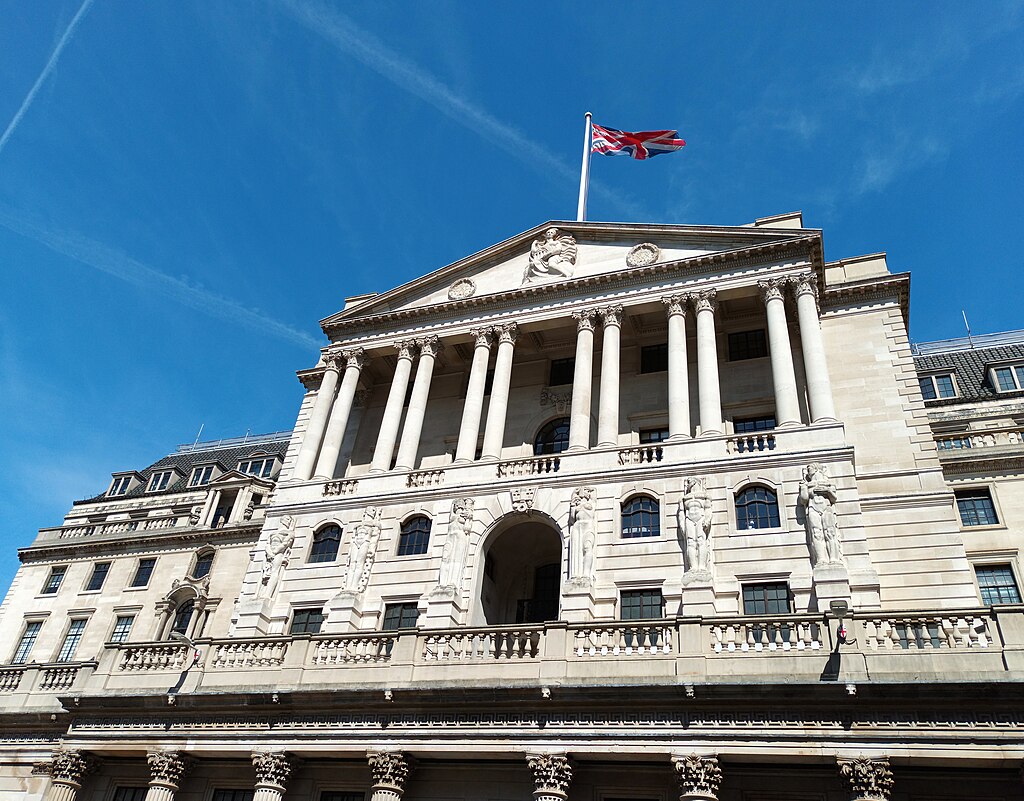
Bank of England (BoE) policymaker Alan Taylor has indicated that the UK's current interest rate level remains restrictive enough to manage inflation, despite growing concerns over price pressures linked to the ongoing conflict involving Iran.
Speaking in an interview with Sky News on Monday, Taylor said he does not currently see a need for the Bank of England to raise interest rates further unless economic conditions deteriorate significantly. His comments provide insight into the central bank's outlook as policymakers continue to monitor inflation trends and geopolitical developments.
“I feel comfortable where we are unless we get the worst-case scenario,” Taylor said, adding that he wants to see evidence that the recent inflationary pressures are temporary and beginning to fade.
Taylor has been one of the most vocal supporters of interest rate cuts within the Bank of England’s Monetary Policy Committee (MPC). Before the outbreak of the conflict involving the United States, Israel, and Iran, he consistently argued that lower borrowing costs could help support economic growth as inflation gradually eased.
However, since tensions in the Middle East escalated, Taylor and most MPC members have opted to keep interest rates unchanged. The committee has taken a cautious approach, balancing concerns about inflation against the risk of slowing economic activity.
The Iran-related conflict has raised fears that higher energy prices and supply chain disruptions could increase inflationary pressures globally, including in the United Kingdom. Despite these risks, Taylor suggested that the current monetary policy stance remains appropriate for now.
His remarks may reassure financial markets and borrowers who are closely watching the Bank of England’s next moves. Investors continue to assess whether the central bank will maintain current rates, cut borrowing costs, or respond with tighter policy if inflation proves more persistent than expected.
The Bank of England is expected to remain data-dependent in the coming months as it evaluates the impact of geopolitical events, economic growth, and inflation on the UK economy. Taylor’s latest comments suggest that, barring a severe escalation in risks, further rate increases are unlikely in the near term.







