


 NATO Boosts Intelligence Sharing Amid Russia Hybrid Threats
  North Korea Rejects Nuclear Test Warning, Calls Nuclear Status Irreversible
  Trump, Xi Visit US National Archives After White House Summit
  EU Agrees €6.6 Billion Military Aid Funding for Ukraine
  Saudi Arabia Seeks Military Support as Houthi Attacks Escalate
  US Supreme Court Revives Trump Administration Voter Citizenship Database
  Yemen Violence Displaces 130,000 as Civilian Toll Rises
  Trump Asks Supreme Court to Restore Third-Country Deportations
  Colombia Extradites FARC Dissident Leader ‘Spider’ to US
  Najib Razak Seeks Stay of 15-Year 1MDB Prison Sentence
  Putin Says Ukraine Peace Proposals Remain on Table
  Netanyahu’s Brief US Trip Highlights Strains With Trump
  Trump Warns China Against Supporting Iran in Xi Talks
  North Korea Warns South Korea Over US-Led Defense Role
  France Defends Netanyahu Airspace Clearance Despite ICC Warrant
  Abbas Reaffirms November 28 Palestinian Elections


 Add as a preferred source on Google
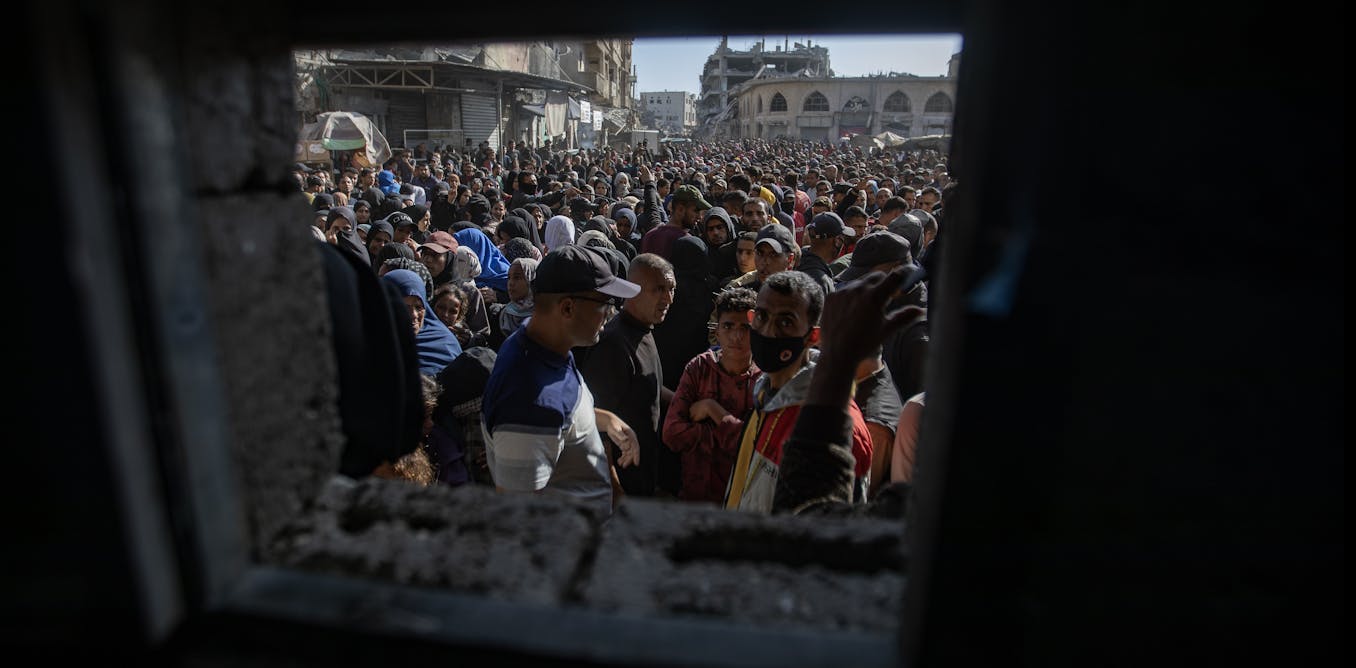
Northern Gaza is facing worsening hunger after Israel shut the Zikim Crossing on September 12, just days before intensifying its ground offensive on Gaza City. The crossing had been a lifeline for humanitarian deliveries, handling half of the U.N. World Food Programme’s (WFP) food aid. Since its closure, WFP has been unable to move supplies through the area, leaving thousands without sufficient meals. Aid groups report that daily food assistance in northern Gaza dropped sharply—from 155,000 meals in late August to only 59,000 by September 22, as many community kitchens were forced to shut down.
Residents describe rising food prices and extreme scarcity. Families who remain in Gaza City despite evacuation orders say they face hunger and insecurity. Displaced residents in coastal camps rely on canned goods, while vegetables and fresh food have disappeared from markets. Water shortages add to the crisis, with Gaza City authorities stating that current supplies cover less than 25% of daily needs due to fuel shortages and limited delivery capacity.
Israel maintains that there is no restriction on the amount of aid allowed into Gaza and accuses Hamas of diverting supplies, a charge the group denies. The Israeli military’s coordination body, COGAT, claims about 300 aid trucks—mainly food—enter Gaza daily, and that efforts are underway to expand crossings in central Gaza. However, U.N. agencies argue that logistical barriers and denied movement requests have left northern Gaza underserved. According to the U.N., Israel blocked 40% of aid transfer requests to the north within 10 days of the closure.
Health conditions are also deteriorating. Four medical facilities in Gaza City shut this month, and malnutrition treatment centers are closing due to lack of supplies. Hospitals in southern Gaza report they are at capacity, straining to care for displaced patients. The World Health Organization and UNICEF warn that famine has already taken hold in Gaza City, with children showing visible signs of severe hunger. Aid agencies stress that reopening Zikim is critical to prevent mass starvation.







