


 Trump Administration to Launch Autism Initiatives Targeting Acetaminophen Use and New Treatment Options
  Blue Origin New Glenn Rocket Explodes During Launch Pad Test, Delaying Space Ambitions
  SpaceX Delays Starship V3 Launch Ahead of Potential Record IPO
  Is space worth the cost? Accounting experts say its value can’t be found in spreadsheets
  Jared Isaacman Confirmed as NASA Administrator, Becomes 15th Leader of U.S. Space Agency
  SpaceX Prioritizes Moon Mission Before Mars as Starship Development Accelerates
  SpaceX’s Starship Completes 11th Test Flight, Paving Way for Moon and Mars Missions
  Tabletop particle accelerator could transform medicine and materials science
  Neuralink Plans High-Volume Brain Implant Production and Fully Automated Surgery by 2026
  Trump Administration Releases New UFO Files and Apollo Mission Records
  Cogent Biosciences Soars 120% on Breakthrough Phase 3 Results for Bezuclastinib in GIST Treatment
  China vs. NASA: The New Moon Race and What's at Stake by 2030
  SpaceX Pivots Toward Moon City as Musk Reframes Long-Term Space Vision


 Add as a preferred source on Google
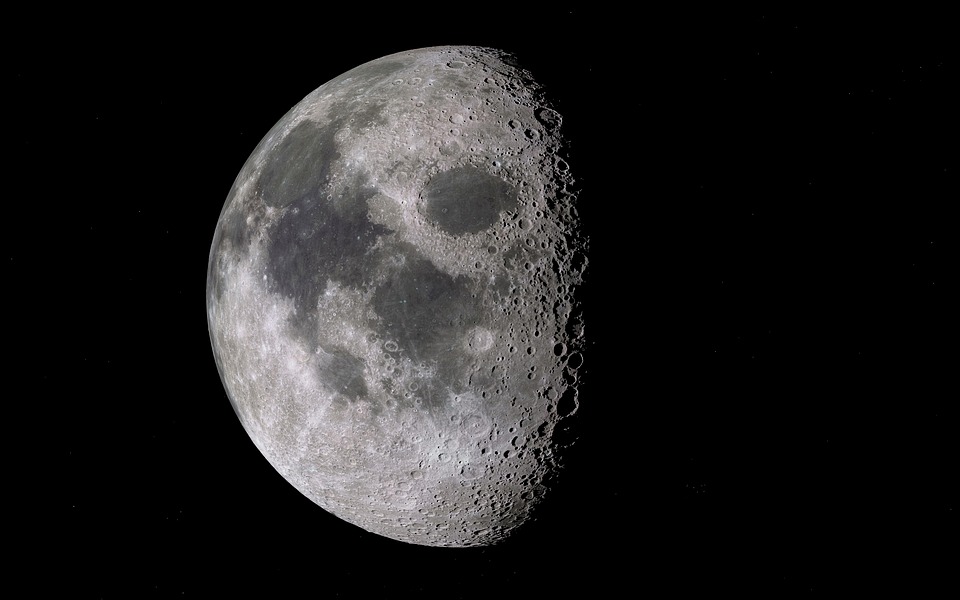
There are several developments in the space sector right now, one of which is the effort to colonize Mars. However, this project has quite a few obstacles with energy burnout being a major factor. This is where a Caltech contest comes in where students are being asked to design a refueling unit on the Moon, which could serve as a jump point for the Mars mission.
The contest in question is the Caltech Space Challenge and it involves 32 students tasked to present a solution to one of the most challenging aspects of space travel; fuel. The students were then split into two teams and were given only five days to devise a way to put refueling stations on the Moon.
Now, there are numerous reasons for wanting to put what essentially amounts to a gas station in outer space. The biggest of which is to provide any interstellar missions the means to actually complete them. Escaping the Earth’s gravity takes a whole lot of energy, which burns much of the fuel that spaceships are loaded with. By having a refueling station on the Moon, ships can just dock there and return to deep space.
Speaking to The Conversation, five students participating in the contest revealed the process that goes into developing a concept like this and what it could mean for the future of space travel. Aside from the main concern of actually getting off the planet in the first place, which comes with no small amount of danger, there is also the cost to think about.
Repeat missions in deep space come with lots of expenses, but they can get much cheaper when the ships can just stay on the Moon instead of having to come back to Earth every single time. Coupled with reusable rockets that SpaceX has developed, this could make commercial space travel considerably more sustainable.







