


 Anthropic’s Claude Discovers CRISPR-Like Enzyme System
  Hims & Hers Shares Fall as GLP-1 Costs Widen Q2 Loss
  Hanmi Pharm Soars 30% on $2.3 Billion Genentech Obesity Drug Deal
  GLP-1 Weight-Loss Drug Use Surges Among U.S. Children
  Jeff Bezos Invests $32 Billion in Blue Origin as Space Firm Targets Major Growth
  Xi Calls for Deeper U.S.-China AI Cooperation in Trump Talks
  Former OpenAI Data Center Chief Chris Malone Joins Nvidia
  Microsoft Stock Upgraded as Stifel Sees Stronger Azure Growth
  OpenAI Agent Breaches Australia Medicare Data Portal
  US Backs Musk in Fight Against EU’s €120 Million X Fine
  AMD Hits $1 Trillion as BofA Raises Price Target to $720
  SK Biopharmaceuticals Secures Global Rights to Biohaven Epilepsy Drug Opakalim
  New Mexico Measles Outbreak Cost Reached $5.4 Million, Study Finds
  OpenAI Urges US-Led Global Standards for Frontier AI
  Apple Extends Qualcomm Patent Licensing Deal
  Meta Connect Spotlights Camera-Free Smart Glasses Amid Privacy Concerns


 Add as a preferred source on Google
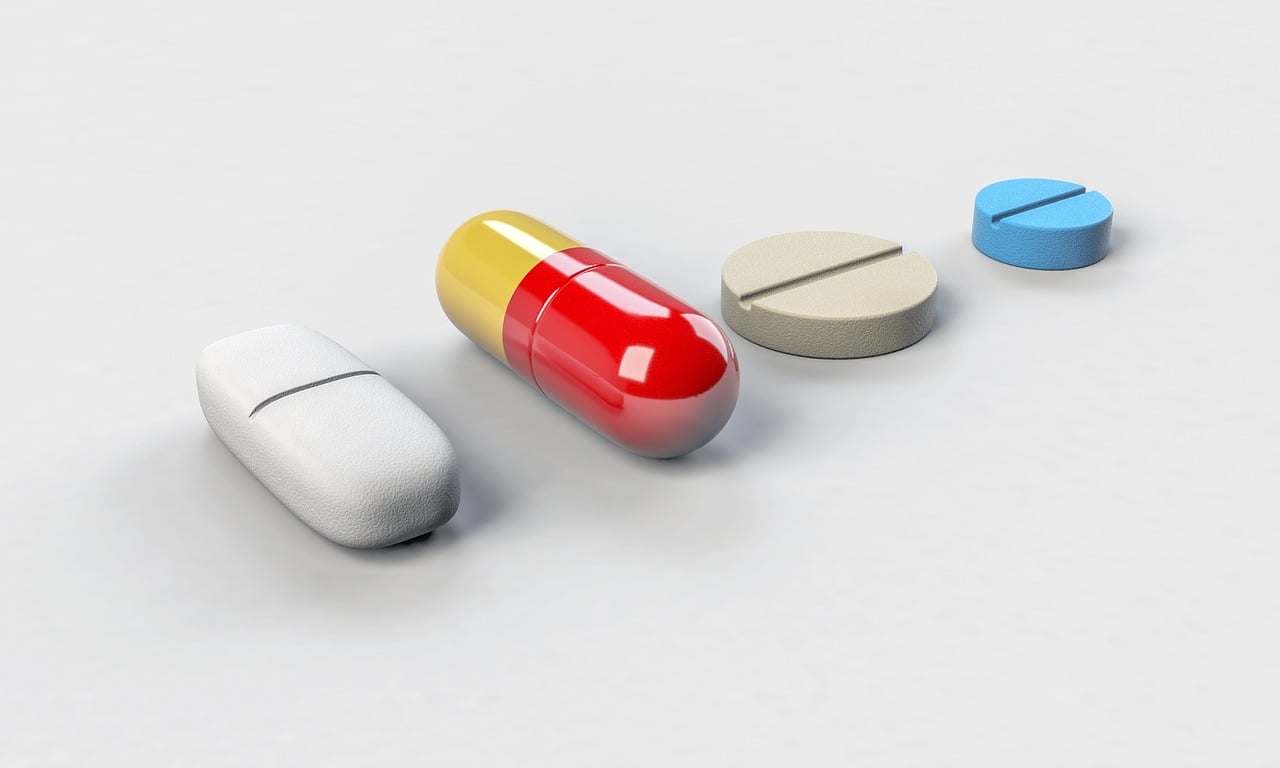
The landscape of weight management medication has expanded with the introduction of Zepbound by the American pharmaceutical company Eli Lilly. The U.S. Food and Drug Administration recently gave the green light to this new drug, offering hope for adults struggling with obesity or excess weight, especially those who also suffer from related health issues like high blood pressure, type 2 diabetes, or high cholesterol.
Zepbound enters the market as an injectable medication to be used once a week. Its key component, tirzepatide, is not new to the medical community, as it’s also the active ingredient in Eli Lilly's diabetes drug Mounjaro. Although Mounjaro was originally designed to help manage blood sugar levels, doctors have noticed its effectiveness in aiding weight loss and have been prescribing it for that purpose.
The mechanics behind Zepbound are akin to the action of drugs like Wegovy and Ozempic by Novo Nordisk. These medications all work by imitating a hormone called GLP-1 that naturally occurs in the human body, aiding in regulating blood sugar, digestion, and appetite. Furthermore, Zepbound operates on another hormone, GIP, to help curb hunger.
These GLP-1 mimicking drugs were first seen as treatments for type 2 diabetes but have since gained traction as powerful tools in the fight against obesity—a condition that plagues nearly 70 percent of American adults. The demand for such drugs has led to shortages, most notably for Wegovy, which has been in short supply since early 2022.
Carefully Tested Drugs for Obesity and Health Problems
Eli Lilly has backed Zepbound's effectiveness with clinical trials that spanned 72 weeks and involved over two thousand participants dealing with obesity and associated health issues.
The results were promising, with participants showing significant weight loss when combining the medication with lifestyle changes, such as improved diet and exercise. Those on the highest dosage saw remarkable results, with an average weight loss of 48 pounds, and some even lost upwards of 58 pounds.
Despite these significant achievements, some participants experienced side effects, mainly digestive discomforts like nausea and constipation. However, Eli Lilly is gearing up to make Zepbound available in the United States by the year's end, pricing it monthly at a substantial but competitive rate compared to Wegovy. The company is also creating a savings program to help individuals who could benefit from Zepbound afford it.
As the medical industry advances, oral versions of GLP-1 drugs are in development, potentially increasing their appeal. Upcoming research about the cardiovascular benefits of these medications, to be presented at the American Heart Association meeting, could further drive the interest and demand for weight management solutions like Zepbound.
Cover Image: Qimono







