


 FDA Weighs Safety Standards for Psychedelic Therapies
  OpenAI to Preview GPT-6 Cyber AI Model for Cybersecurity
  SoftBank Shares Fall as Oracle Flags Stargate Data Center Delay Risk
  H&M Q3 Profit Beats Estimates as Margins Improve
  BlackBerry Shares Rise as Q2 Earnings, Revenue Beat Estimates
  AstraZeneca Q2 Earnings Beat Forecasts as Oncology Growth Supports 2026 Outlook
  McDonald’s Sees Flat Traffic, Sticky Inflation as New Normal
  Akamai Shares Surge on $11.6B Anthropic AI Cloud Deal
  Trump Signs Order to Cut Routine Childhood Vaccines
  Hanmi Pharm Soars 30% on $2.3 Billion Genentech Obesity Drug Deal
  Alcohol is one of the most dangerous drugs, yet its presence is ubiquitous in social settings and celebrations
  Jeff Bezos Invests $32 Billion in Blue Origin as Space Firm Targets Major Growth
  SMBC Eyes 20% VPBank Stake in Vietnam Expansion
  US Backs Musk in Fight Against EU’s €120 Million X Fine
  Costco Revenue Beats Estimates as Inflation Drives Bulk Shopping
  Apple Extends Qualcomm Patent Licensing Deal


 Add as a preferred source on Google
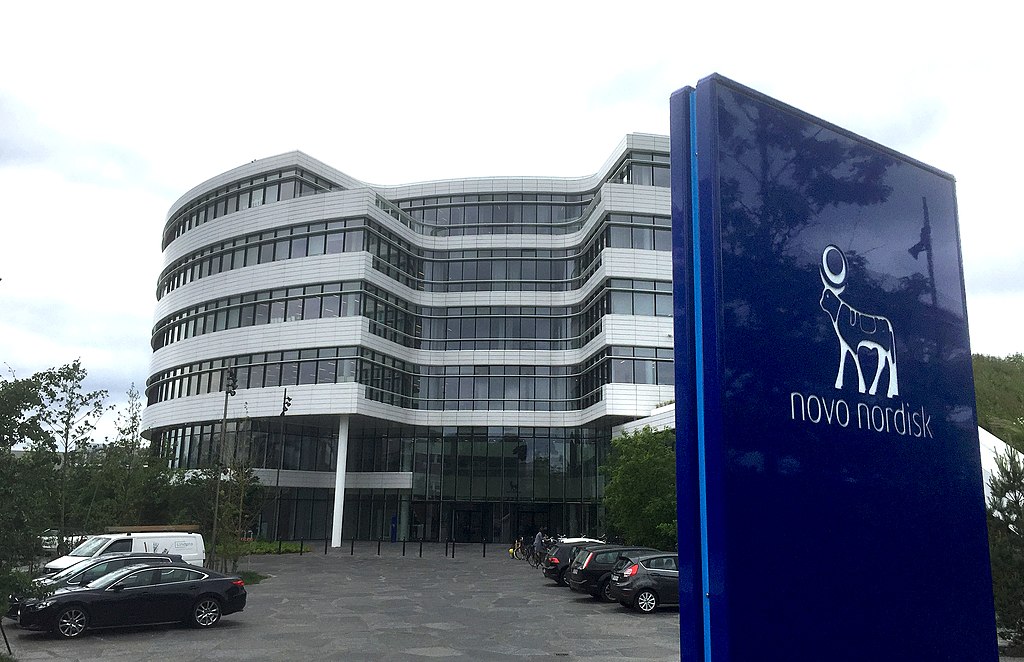
Novo Nordisk A/S (NYSE: NVO) shares jumped nearly 8% in after-hours trading on Monday following a major regulatory milestone: the U.S. Food and Drug Administration approved the company’s Wegovy pill, making it the first oral GLP-1 receptor agonist authorized for chronic weight management. The approval marks a significant expansion of Novo Nordisk’s obesity treatment portfolio and could reshape the competitive landscape of the global weight loss market.
The newly approved Wegovy pill contains once-daily oral semaglutide 25 mg and is designed for adults with obesity or overweight who have at least one weight-related comorbidity. Clinical data supporting the FDA decision came primarily from the OASIS 4 trial, a 64-week, randomized, placebo-controlled study involving 307 participants. Results showed a mean weight loss of 16.6% among patients who adhered to treatment, a level comparable to the weight reduction achieved with the injectable Wegovy 2.4 mg formulation. Notably, about one in three participants achieved weight loss of 20% or more during the trial.
Beyond weight reduction, the FDA approval also includes indications to help patients maintain long-term weight loss and reduce the risk of major adverse cardiovascular events. The safety and tolerability profile of the Wegovy pill was consistent with previous semaglutide trials, reinforcing confidence in its clinical use. Gastrointestinal side effects observed were in line with those already known for GLP-1 receptor agonists.
“The pill is here. With today’s approval of the Wegovy pill, patients will have a convenient, once-daily pill that can help them lose as much weight as the original Wegovy injection,” said Mike Doustdar, president and CEO of Novo Nordisk. His comments highlight the potential appeal of an oral alternative for patients who prefer not to use injections.
Novo Nordisk plans to launch the Wegovy pill in the United States in early January 2026. The company has also submitted regulatory applications to the European Medicines Agency and other global authorities in the second half of 2025. The broader OASIS clinical development program included four trials enrolling around 1,300 adults, underscoring the company’s long-term commitment to expanding access to effective obesity treatments worldwide.







