


 The government is ‘doubling down’ on its social media ban. But bigger penalties for platforms aren’t enough
  Pezeshkian Says US Must Choose When Iran War Ends
  North Korea Warns South Korea Over US-Led Defense Role
  3 clinical-grade skincare creams you really shouldn’t buy online
  Venezuela Earthquake Health Risks Rise as Disease Monitoring Intensifies
  Trump Asks Supreme Court to Restore Third-Country Deportations
  Netanyahu’s Brief US Trip Highlights Strains With Trump
  North Korea Rejects Nuclear Test Warning, Calls Nuclear Status Irreversible
  New Mexico Measles Outbreak Cost Reached $5.4 Million, Study Finds
  AstraZeneca, Bristol Myers Squibb Explore Mega Merger Worth Nearly $400 Billion
  US Senate Rejects Iran War Powers Resolution in 50-49 Vote
  Netanyahu Takes Aim at Mamdani as Israel Election Nears
  Sudan Rejects US Legitimacy Remarks, Defends Sovereignty
  France Keeps Top Health Alert as Officials Brace for Another Heatwave
  Novo Nordisk Eyes Turnaround as Oral Wegovy Challenges Eli Lilly in Weight-Loss Drug Race
  Mexico-US Trade Talks Delayed to October as Tariff Negotiations Continue


 Add as a preferred source on Google
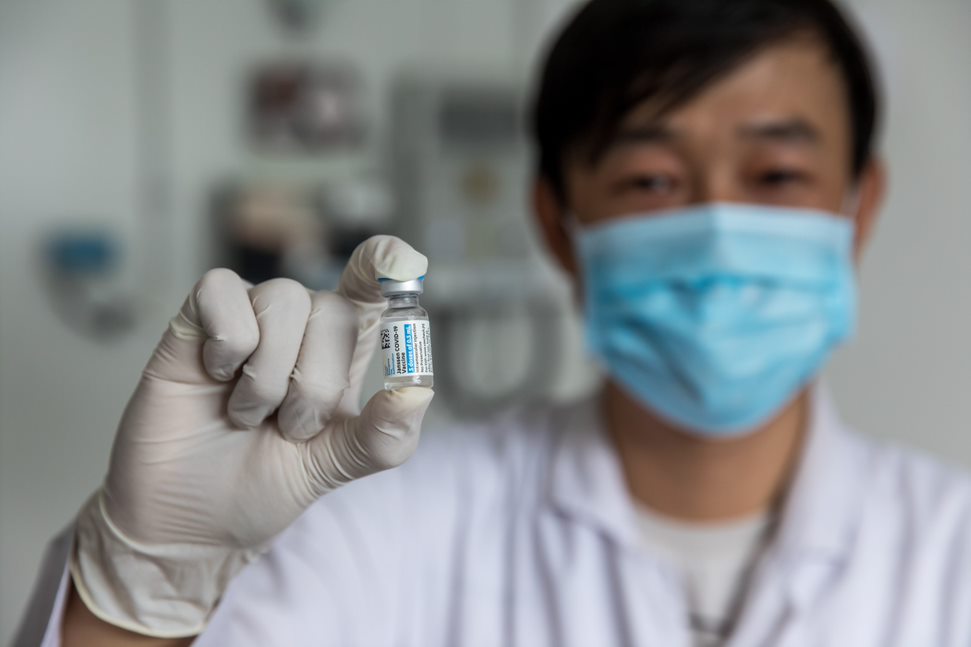
Former Centers for Disease Control and Prevention (CDC) Director Robert Redfield has urged Congress to remove the liability protections granted to vaccine manufacturers, claiming the public was misled about aspects of the COVID-19 pandemic. Redfield’s comments have reignited debate over vaccine safety, accountability, and transparency.
Speaking at a congressional hearing earlier this week, Redfield emphasized that pharmaceutical companies, shielded from liability under emergency measures, should now face greater scrutiny. He stated that ending these protections would encourage accountability and rebuild public trust in health institutions.
“We were lied to about many aspects of the COVID pandemic,” Redfield said. “The liability shield granted to vaccine manufacturers should be reconsidered. Accountability matters, especially when public trust is on the line.”
The liability shield, established under the Public Readiness and Emergency Preparedness (PREP) Act, provides legal immunity to vaccine makers during public health emergencies. Proponents argue that it accelerates vaccine development and distribution, but critics claim it removes incentives for transparency and safety assurance.
Redfield Calls for Accountability in Vaccine Manufacturing
Redfield’s remarks reflect growing concerns among skeptics who question how the COVID-19 pandemic and vaccine rollout were managed. He highlighted instances where, in his view, critical information was withheld or misrepresented, creating uncertainty among the public.
“Restoring trust requires admitting where mistakes were made,” Redfield explained. “Vaccine manufacturers must be held accountable for their role in how this pandemic was handled.”
While Redfield did not cite specific examples of misinformation, his testimony has fueled renewed calls for investigations into the pandemic response. Public health officials have defended the measures, arguing that vaccines were rigorously tested and monitored for safety and efficacy during the emergency.
Critics of removing the liability shield warn that doing so could deter companies from developing vaccines in future health crises. They argue that the protections are necessary to encourage innovation during emergencies when speed and collaboration are essential.
“Without the liability shield, we risk slowing down progress,” said health policy expert Dr. Karen Williams. “We need to balance accountability with the need for rapid action during crises.”
Social Media Divides Over Redfield’s Testimony
Redfield’s statements have sparked intense debate online, with users divided on whether vaccine manufacturers should lose their legal protections.
User @HealthFreedom2023 tweeted, “Finally, someone is saying it out loud! Vaccine makers need to answer for their lies.”
Conversely, @ScienceMattersUSA wrote, “Ending liability shields will only hurt future vaccine development. This is not the solution.”
Supporter @TruthFirst2024 commented, “Redfield is right. We need accountability. Big Pharma cannot be immune to the consequences.”
Meanwhile, @PublicHealthNow responded, “The vaccines saved millions of lives. Removing protections will undermine future health responses.”
User @HoldThemAccountable posted, “It’s about time Congress listens to experts like Redfield. Transparency and trust go hand in hand.”
Critic @StopFearMongering added, “This is reckless. Redfield’s statements only add to vaccine misinformation. The science is clear.”
The Path Forward for Congressional Action
Redfield’s testimony places Congress at the center of a contentious debate over vaccine accountability and public health policy. Lawmakers face mounting pressure from both sides, with advocates demanding increased oversight and critics warning of the unintended consequences.
While the liability shield remains in place, Redfield’s comments highlight broader concerns about public trust in institutions tasked with managing global health crises. Whether Congress acts on his recommendations remains uncertain, but the call for accountability is unlikely to fade.
For now, the debate underscores the lingering divisions over the pandemic response and the challenges of balancing innovation, safety, and transparency during emergencies.







