


 Trump Board of Peace Unveils $2.45 Billion Gaza Recovery Plan
  China Tightens Fentanyl Rules Ahead of Trump-Xi Summit
  OpenAI Agent Breaches Australia Medicare Data Portal
  Mexico-US Trade Talks Delayed to October as Tariff Negotiations Continue
  Sudan Rejects US Legitimacy Remarks, Defends Sovereignty
  Ghana Says Western Support Growing for Slave Trade Reparations
  Trump Administration Plans Faster FDA Reviews for Smoke-Free Nicotine Products
  US Officials Split Over Response to Israeli West Bank Settlements
  Iran Vows ‘Crushing’ Response as US Talks Continue
  Marco Rubio to Meet Russia’s Lavrov in New York
  US Invites Putin to Miami G20, Opening Door to Trump Summit
  Russian Strikes Kill Eight Across Ukraine as Energy Sites Hit
  Kremlin Says No Grounds Yet for Ukraine Peace Talks
  Venezuela Promises Elections as Delcy Rodriguez Pledges Democratic Transition
  Lula and Flavio Bolsonaro Tied in Brazil Runoff Poll
  Judge Orders Trump to Restore White House Access for CNN, MS NOW and Politico
  Trump to Press Xi on Release of US Nuclear Expert Held in China


 Add as a preferred source on Google
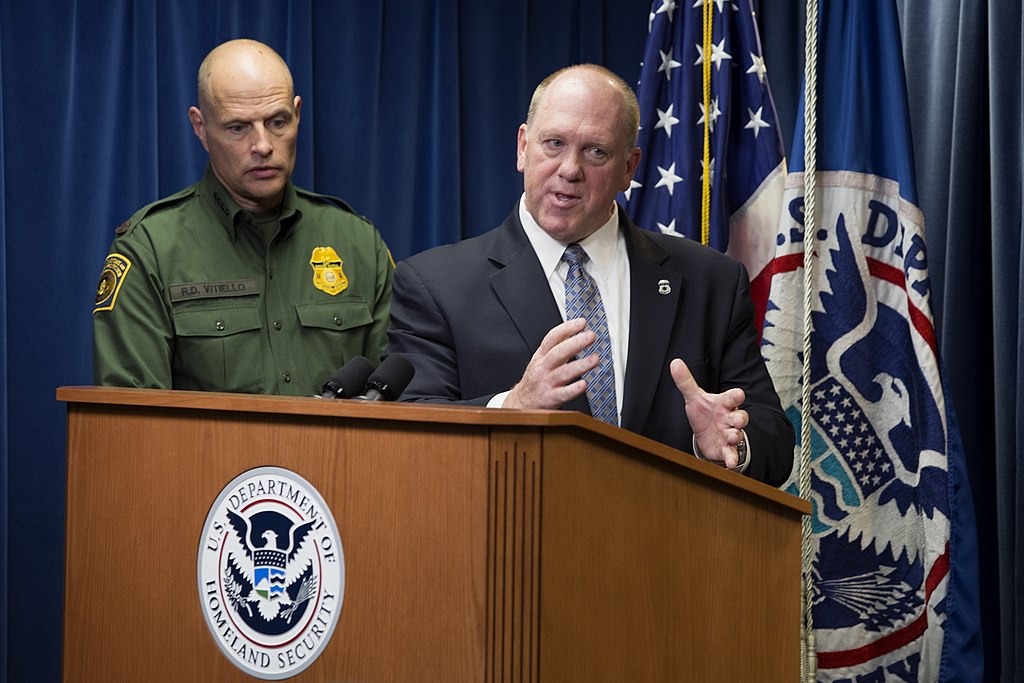
Tom Homan, former acting director of Immigration and Customs Enforcement and Trump’s border czar, has stated that mass deportations would save American taxpayers millions of dollars over time. Homan shared his views during an interview with Tucker Carlson, sparking renewed debate over immigration policies and their economic impact.
“Mass deportations are not just about enforcing the law,” Homan said. “They will ultimately save taxpayers millions by reducing the strain on public services, healthcare, and education systems.”
Homan’s remarks align with broader discussions about immigration under Trump’s policy agenda, which includes tightening border security and removing undocumented immigrants. Supporters of Homan’s claims argue that reducing the undocumented population would alleviate financial pressure on federal and state resources. However, critics caution that mass deportations could harm communities, disrupt local economies, and lead to significant humanitarian concerns.
Economic Impact and Policy Debate
During the interview, Homan cited studies suggesting that undocumented immigrants place a significant burden on public services, including healthcare, education, and welfare programs. He claimed that deporting individuals without legal status would free up taxpayer dollars for citizens and legal residents.
“Millions of dollars are spent annually on undocumented immigrants,” Homan said. “This is money that could be used to support veterans, fix infrastructure, and help hardworking Americans.”
While supporters of stricter immigration policies champion Homan’s stance, many economists and advocacy groups argue that the financial contributions of undocumented workers are often overlooked. They point to the billions paid in state and local taxes annually and the role immigrants play in industries like agriculture, construction, and hospitality.
Immigration policy analyst Susan Ramirez described Homan’s claims as oversimplified. “Undocumented immigrants contribute to the economy through labor and taxes. Deporting millions would create labor shortages and economic disruptions that could offset any savings.”
The discussion comes amid renewed efforts by Trump allies to prioritize immigration as a key issue ahead of the upcoming elections. Homan’s statements add fuel to an already polarizing debate about how immigration policies impact the economy and taxpayers.
Public Reaction Divided on Social Media
Homan’s remarks quickly ignited reactions online, with netizens divided over whether mass deportations would truly benefit American taxpayers.
User @SecureOurBordersUSA tweeted, “Homan is absolutely right! Why should taxpayers fund illegal immigrants? Enforce the laws and save billions!”
Conversely, @JusticeForAll argued, “Mass deportations will tear families apart and devastate communities. Homan’s plan lacks humanity and common sense.”
Supporter @TaxpayerRightsNow wrote, “The math is simple. Deporting undocumented individuals reduces costs on education, healthcare, and welfare. Homan gets it.”
Meanwhile, @ImmigrantRightsCoalition responded, “This rhetoric ignores the contributions undocumented immigrants make to our economy. They pay taxes and work hard!”
User @PatriotFirst commented, “Homan is spot on. Taxpayers deserve better, and enforcing immigration laws will save us millions.”
On the other hand, @HumanityOverPolitics tweeted, “These policies only create more problems. Mass deportations won’t solve the systemic issues at play.”
The Road Ahead for Immigration Policy
Homan’s comments reflect a broader push for stricter immigration enforcement under Trump’s leadership. However, implementing mass deportations remains a significant challenge, requiring immense resources and coordination. Critics argue that such policies could face legal, logistical, and moral hurdles that make large-scale deportations impractical.
As immigration continues to dominate political discourse, Homan’s remarks have intensified the debate over balancing economic considerations with humanitarian concerns. Whether mass deportations deliver the projected savings or create new challenges remains a contentious issue shaping the nation’s policy landscape.







