


 China’s ‘Lipstick King’ Says AI Won’t Replace Livestream Hosts
  Dollar Hits Two-Month High as Fed Rate Hike Bets Rise
  South Korea, US Discuss Warship Building Cooperation
  DOJ Will Investigate AI-Related Crimes, Attorney General Blanche Says
  Meta Partners With Shopify to Bring Shop Pay Checkout to Muse AI
  Russian Envoy Dmitriev Heads to US for Ukraine Talks
  Oil Prices Surge as U.S.-Iran Diplomacy Hopes Fade
  Australia Unemployment Hits Five-Year High Despite Strong Jobs Growth
  Japan, U.S. Discuss $19 Billion GlobalFoundries Chip Plant
  Asian Currencies Mixed as Dollar Holds Near Two-Month High
  SoftBank Raises $11.1 Billion in Bond Sale to Fund OpenAI Investment
  Mexico-US Trade Talks Delayed to October as Tariff Negotiations Continue
  France Urges Faster AI Push Despite Safety Risks
  Burnham Eyes UK Leadership Role in AI Ahead of Trump Meeting
  Wall Street Falls as Treasury Yields Surge, Oil Rebounds on Iran Tensions
  Gold Prices Fall as Treasury Yields Rise on Fed Rate Hike Bets


 Add as a preferred source on Google
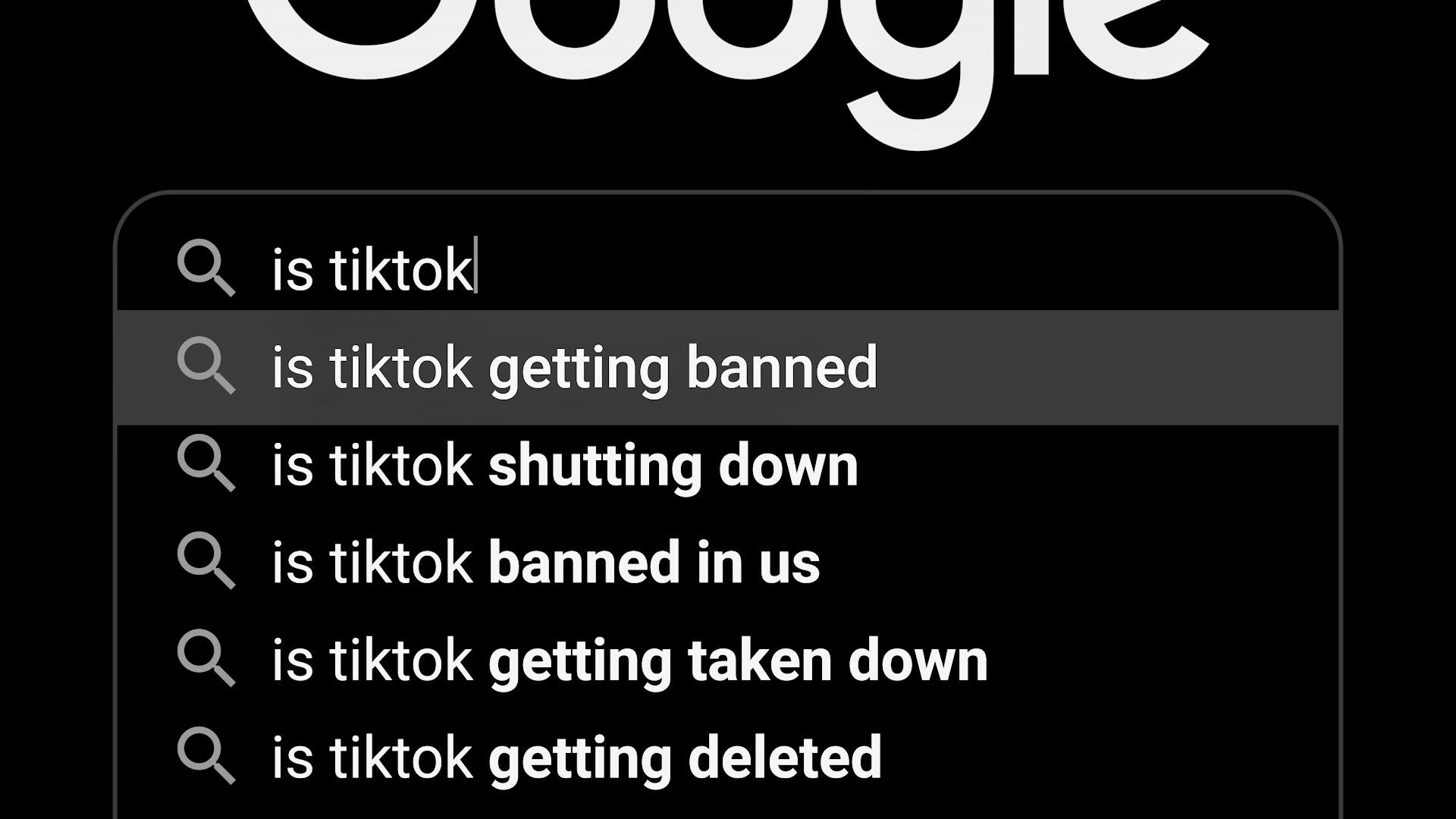
The US Supreme Court is set to hear TikTok’s challenge against a law demanding its sale or a nationwide ban by January 19. The case, pivotal for digital rights and national security, raises questions about free speech and foreign tech regulation.
TikTok’s Legal Battle Reaches the US Supreme Court
On Wednesday, the U.S. Supreme Court resolved to consider a petition filed by TikTok and its Chinese parent company ByteDance challenging a statute that would have mandated the sale of the short-video app by January 19th or risked a ban based on national security concerns, Reuters reports.
After receiving an urgent plea from TikTok and ByteDance—along with some of its users—to prevent the impending ban, the justices chose to postpone taking any action until January 10 to hear arguments on the subject.
A lower court's decision upholding the law is being appealed by the challengers. Roughly 170 million people in the United States use TikTok.
National Security Concerns and the Ban’s Broad Implications
In April, the proposal was passed by Congress. The Chinese video-sharing platform TikTok was deemed by the US Department of Justice to represent "a national-security threat of immense depth and scale" due to the fact that it could covertly alter the content that Americans saw on the app and had access to extensive user data, including location and private messages. TikTok has denied reports that it is a security risk to the United States.
ByteDance and TikTok petitioned the Supreme Court for a stay of the statute on December 16, claiming that it infringes upon the First Amendment rights to free speech guaranteed by the United States Constitution.
The businesses claimed that if TikTok were to go dark for even one month, it would lose one-third of its American subscribers, as well as its capacity to entice advertisers, content providers, and employees.
ByteDance Fights Back With First Amendment Defense
On December 6, the companies' First Amendment arguments were rejected by the U.S. Court of Appeals for the District of Columbia Circuit in Washington.
According to TikTok and ByteDance's submission to the Supreme Court, "if Americans, duly informed of the alleged risks of 'covert' content manipulation, choose to continue viewing content on TikTok with their eyes wide open, the First Amendment entrusts them with making that choice, free from the government's censorship."
Businesses that rely on TikTok to boost sales would be damaged and ByteDance and its investors would lose a lot of money if the US government banned the app.
Escalating US-China Tensions Complicate TikTok’s Case
Trump has changed his mind and pledged to work to rescue TikTok during his presidential campaign this year; he had previously attempted and failed to ban the app in his first term in 2020. As for TikTok, Trump has "a warm spot in my heart for TikTok" and promised to "take a look" at the issue on December 16.
The legal deadline for TikTok was January 19, and Trump takes office on January 20.
After making its choice, the D.C. Circuit said, "The First Amendment exists to protect free speech in the United States. Here the government acted solely to protect that freedom from a foreign adversary nation and to limit that adversary's ability to gather data on people in the United States."
Foreign-Owned Apps Face Uncertain Future in the US
Accusing U.S. politicians of pursuing hypothetical worries, TikTok has stated that it has never shared or would disclose user data from the United States, Yahoo shares. The company has also described the prohibition as a "radical departure from this country's tradition of championing an open Internet."
This disagreement arises as trade tensions between the US and China continue to rise in the wake of additional limitations imposed on China's chip sector by President Joe Biden's administration and the subsequent embargo on U.S. shipments of gallium, germanium, and antimony by China.
U.S. law forbids ByteDance from continuing to utilize TikTok in the US unless the company divests itself of the program by the deadline. This includes offering the app through app stores like Apple's and Alphabet's Google.
A subsequent crackdown on other apps owned by foreign entities might be triggered by an unfettered ban. The courts also rejected Trump's 2020 effort to ban Tencent's (a Chinese corporation) messaging app WeChat.







