


 Russian Strikes Kill Eight Across Ukraine as Energy Sites Hit
  Trump Says ‘Freedom’ Is Coming to Cuba
  Mexico-US Trade Talks Delayed to October as Tariff Negotiations Continue
  Ghana Says Western Support Growing for Slave Trade Reparations
  US, China Extend Trade Truce to Jan. 10 Ahead of Trump-Xi Summit
  Marco Rubio to Meet Russia’s Lavrov in New York
  Trump Administration Plans Faster FDA Reviews for Smoke-Free Nicotine Products
  South Korea, US Discuss Warship Building Cooperation
  Lula and Flavio Bolsonaro Tied in Brazil Runoff Poll
  China Tightens Fentanyl Rules Ahead of Trump-Xi Summit
  US Invites Putin to Miami G20, Opening Door to Trump Summit
  Netanyahu Takes Aim at Mamdani as Israel Election Nears
  Gaza Faces Evacuation Crisis as War-Damaged Buildings Risk Collapse
  US Officials Split Over Response to Israeli West Bank Settlements
  Russian Envoy Dmitriev Heads to US for Ukraine Talks
  Taiwan Thanks US for Support Ahead of Trump-Xi Summit
  Macron Challenges Trump’s Gaza Peace Claims at UN


 Add as a preferred source on Google
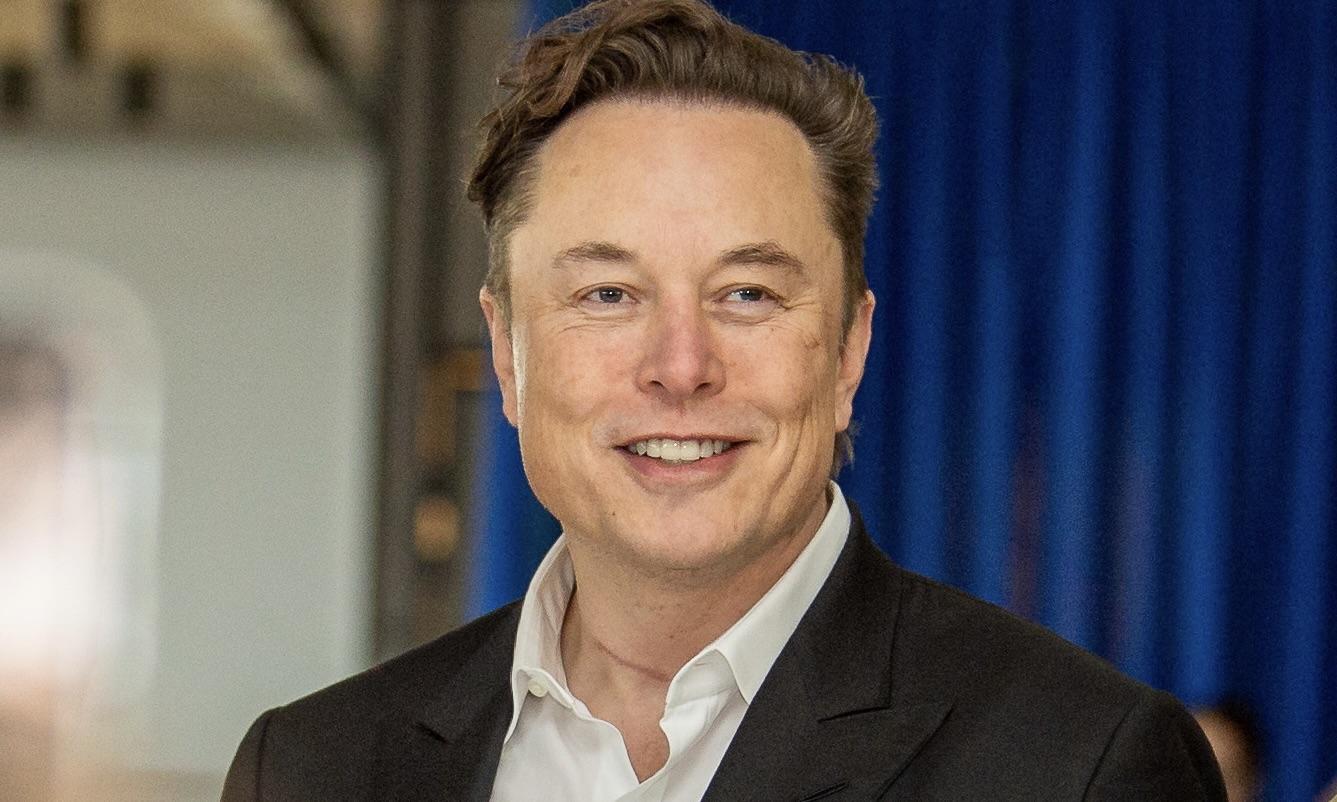
Tech billionaire Elon Musk has called for voters to remove any member of the House or Senate who supports what he labeled an “outrageous spending bill.” Musk’s remarks, shared on social media, come as Congress debates a contentious spending proposal, drawing sharp divisions among lawmakers and the public.
Musk, the CEO of Tesla and SpaceX, has often voiced his opinions on fiscal responsibility and government expenditures. This latest comment highlights his frustration over what he sees as unchecked federal spending.
“Any member of the House or Senate who votes for this outrageous spending bill should be voted out,” Musk posted on X, formerly known as Twitter. “It’s time for accountability.”
The spending bill, spanning hundreds of pages and allocating billions of dollars for government programs, has sparked heated debate. Critics argue it reflects wasteful spending with limited transparency, while supporters maintain it is essential to keep government operations running and address national priorities.
Musk Targets Lawmakers Amid Spending Bill Controversy
Musk’s call to action follows growing discontent among fiscal conservatives and taxpayers frustrated by rising national debt. With federal spending nearing historic highs, opponents of the bill argue that Congress is failing to exercise responsible governance.
“People are tired of reckless spending,” said financial analyst Peter Harris. “When high-profile figures like Musk speak out, it amplifies those concerns and puts pressure on lawmakers.”
The bill’s critics emphasize that its rushed timeline—common in federal budget processes—limits lawmakers’ ability to thoroughly review its provisions. Proponents counter that delays would risk government shutdowns and disruptions to critical programs.
Musk’s stance resonates with many voters who are increasingly skeptical of Congress’s fiscal priorities. However, his critics argue that his wealth and influence do not entitle him to dictate legislative processes.
“Outrage alone won’t solve these issues,” said political commentator Laura Mills. “Congress must balance spending priorities with the need to avoid shutdowns.”
Social Media Reactions Split Over Musk’s Comments
Elon Musk’s post quickly gained traction online, drawing mixed reactions from supporters and critics. Social media users were divided on whether his remarks represented legitimate criticism or oversimplified a complex issue.
User @TaxpayerDefender posted, “Musk is 100% right. If Congress keeps passing these bloated bills, voters must hold them accountable.”
Conversely, @FairPolicyUSA argued, “It’s easy for billionaires to talk about government spending when they don’t rely on federal programs.”
Supporter @StopTheDebt commented, “The national debt is spiraling out of control. Musk is saying what many Americans feel.”
Meanwhile, @VoteResponsiblyUSA wrote, “Musk has no business telling us how to vote. Fiscal issues are far more complicated.”
User @FiscalWatchdog2024 added, “Finally, someone is holding Congress’s feet to the fire. Spending bills like this are unsustainable.”
Critic @RealDemocracyNow tweeted, “Billionaires like Musk should focus on their taxes before lecturing Congress about fiscal responsibility.”
Musk’s Influence and the Path Forward
Musk’s comment highlights growing public frustration with Congress’s spending habits and perceived lack of transparency. As one of the most prominent business leaders in the world, his words carry weight, particularly among his vast following on social media.
The spending bill remains a contentious issue in Congress, with lawmakers facing pressure from both sides. Whether Musk’s call to action will influence voter sentiment remains to be seen, but his remarks have added fuel to an already intense debate.
As Congress moves toward a vote, the outcome will likely have far-reaching implications for federal programs, national debt, and public trust in legislative priorities.







