


 Russian Strikes Kill Eight Across Ukraine as Energy Sites Hit
  Russian Envoy Dmitriev Heads to US for Ukraine Talks
  Trump to Press Xi on Release of US Nuclear Expert Held in China
  US, China Extend Trade Truce to Jan. 10 Ahead of Trump-Xi Summit
  Vietnam, US Trade Deal Could Be Signed Soon, To Lam Says
  Trump Board of Peace Unveils $2.45 Billion Gaza Recovery Plan
  South Korea, US Discuss Warship Building Cooperation
  Lula and Flavio Bolsonaro Tied in Brazil Runoff Poll
  US Invites Putin to Miami G20, Opening Door to Trump Summit
  Europe Warns Russia Is Escalating Hybrid Attacks Across NATO
  Trump Administration Plans Faster FDA Reviews for Smoke-Free Nicotine Products
  Gaza Faces Evacuation Crisis as War-Damaged Buildings Risk Collapse
  US Officials Split Over Response to Israeli West Bank Settlements
  Kremlin Says No Grounds Yet for Ukraine Peace Talks
  Ghana Says Western Support Growing for Slave Trade Reparations
  Trump Says ‘Freedom’ Is Coming to Cuba
  Zelenskiy Warns Russia Preparing Major Attack on Ukraine


 Add as a preferred source on Google
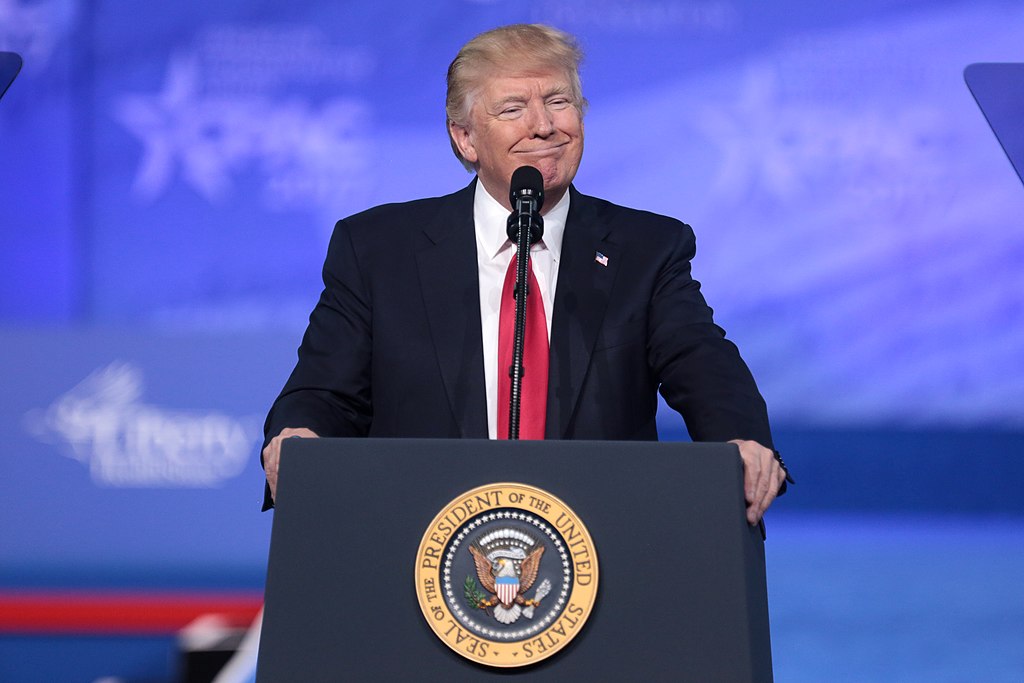
As President Donald Trump prepares to assume office in January 2025, his administration is poised to implement a series of aggressive trade policies aimed at reshaping the United States' economic relationships. Central to this agenda is the imposition of substantial tariffs on imports, particularly targeting China and the European Union, with the stated goal of bolstering domestic industries and safeguarding American employment.
Escalation of Tariffs on Chinese Imports
A cornerstone of Trump's trade strategy involves imposing nearly 40% tariffs on Chinese goods in early 2025. This move is anticipated to significantly impact China's economic growth, potentially reducing it by up to one percentage point. The proposed tariffs are markedly higher than those enacted during Trump's first term, which ranged from 7.5% to 25%. Economists warn that such measures could exert additional pressure on China's economy, which is already grappling with a prolonged property downturn and weak domestic demand.
Concerns Over Trade Practices with Mexico
The Trump administration has expressed apprehension regarding Mexico potentially serving as a conduit for cheaper Chinese goods entering the North American market. Canada has aligned with U.S. concerns, highlighting Mexico's lack of significant tariffs on Chinese products, in contrast to Canada's own measures, which include a 100% tariff on electric vehicles and a 25% tariff on steel and aluminum. This issue is expected to be a focal point in upcoming trade discussions, especially with the United States-Mexico-Canada Agreement (USMCA) due for review in 2026.
Appointment of Howard Lutnick as Commerce Secretary
In a move signaling a firm commitment to protectionist trade policies, Trump has nominated Howard Lutnick, CEO of Cantor Fitzgerald, as Secretary of Commerce. Lutnick, a prominent Wall Street figure and supporter of Trump's economic vision, is expected to oversee the implementation of increased tariffs, particularly on imports from the European Union and China. His appointment underscores the administration's intent to prioritize domestic economic growth through stringent trade measures.
Potential Impacts on the Global Economy
The proposed trade policies have elicited concerns about their potential to disrupt global trade dynamics. Industries such as technology, footwear, apparel, and auto parts have voiced apprehension that heightened tariffs may lead to increased costs for American consumers, with projections indicating potential household expenses could rise by up to $7,600 annually. Critics argue that such protectionist measures could ignite trade wars, adversely affecting the global economy.
Public Reaction
The administration's trade agenda has sparked a spectrum of reactions:
-
@TradeWatchdog: "Trump's tariff plans are a double-edged sword. Protecting jobs is crucial, but at what cost to consumers?"
-
@GlobalEconomist: "Escalating tariffs could lead to retaliatory measures, potentially harming international trade relations."
-
@ManufacturingUSA: "Domestic industries stand to benefit from reduced competition, but the long-term effects remain uncertain."
Conclusion
President Trump's 2025 trade agenda reflects a decisive shift toward protectionism, with substantial tariffs aimed at reshaping the United States' economic landscape. As these policies unfold, their implications for both domestic industries and the global economy will be closely scrutinized.







