


 U.S. 10-Year Treasury Yield Hits 2007 High as Fed Rate Hike Bets Rise
  China’s ‘Lipstick King’ Says AI Won’t Replace Livestream Hosts
  Russian Envoy Dmitriev Heads to US for Ukraine Talks
  Soybean Futures Slip as Traders Await Trump-Xi Trade Signals
  Trump, Xi Focus on Trade and AI at White House Summit
  Fed Unveils Stablecoin Rules Under GENIUS Act
  Asian Stocks Fall as Surging Bond Yields Rattle Markets
  Oil Prices Surge as U.S.-Iran Diplomacy Hopes Fade
  Asian Currencies Mixed as Dollar Holds Near Two-Month High
  Gold Prices Fall as Treasury Yields Rise on Fed Rate Hike Bets
  Mexico-US Trade Talks Delayed to October as Tariff Negotiations Continue
  US 10-Year Treasury Yield at 6% Emerges as New Market Risk Threshold
  Gold Holds Near $4,275 as Rising Treasury Yields Fuel Fed Rate Hike Bets
  Wall Street Ends Flat as Oil, Treasury Yields and Fed Jitters Rattle Markets
  US Stock Futures Fall as Treasury Yields Surge Ahead of Trump-Xi Summit
  Wall Street Falls as Treasury Yields Surge, Oil Rebounds on Iran Tensions
  Oil Prices Jump 3% as Houthi Attack Revives Supply Fears


 Add as a preferred source on Google
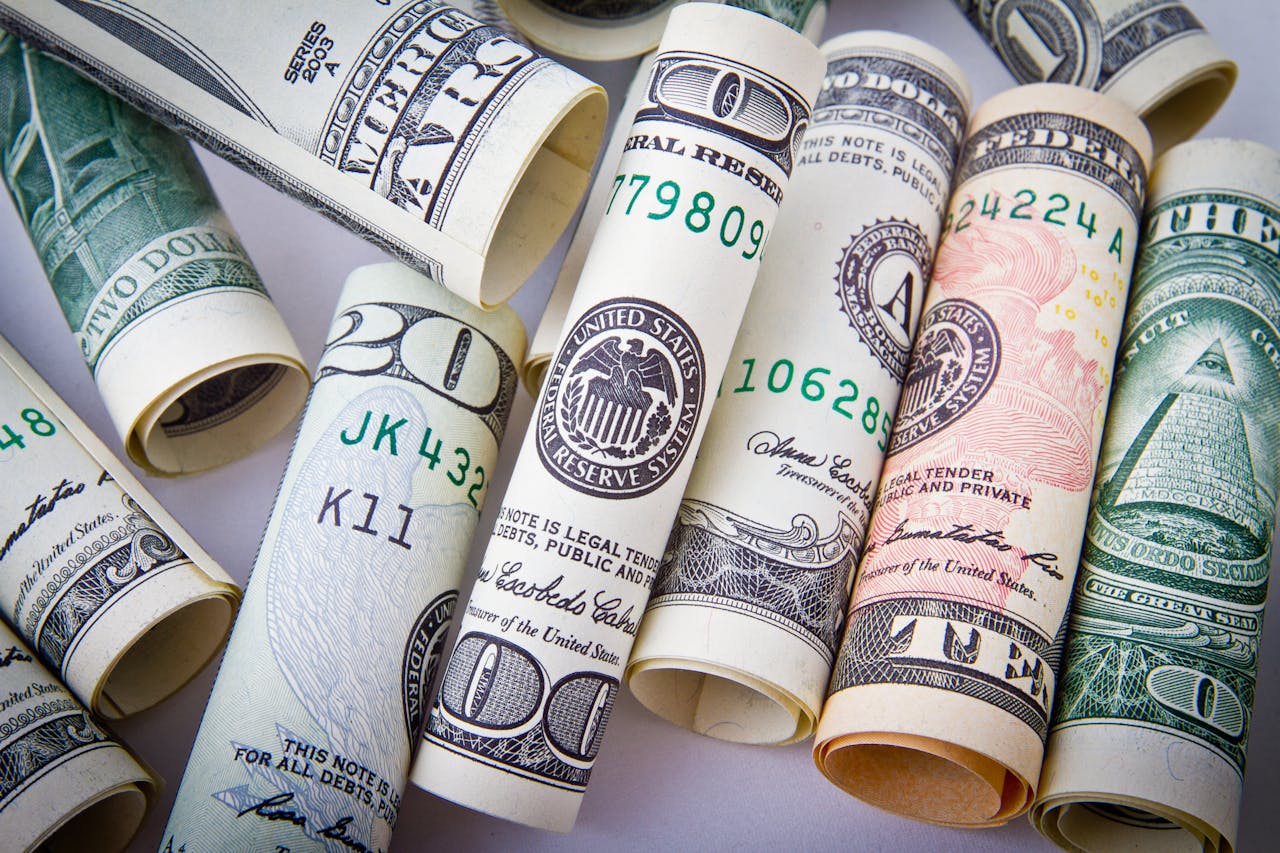
The U.S. dollar has continued to underperform even as economic data points to improving fundamentals, and BofA Securities believes the market’s hesitation is tied to expectations surrounding future Federal Reserve rate hikes. According to BofA strategist Alex Cohen, investors remain unconvinced that the Fed will aggressively tighten monetary policy under incoming Fed Chair Kevin Warsh, limiting upside momentum for the USD.
Ahead of the highly anticipated April nonfarm payrolls report, BofA projected job growth of 80,000, exceeding the Bloomberg consensus estimate of 65,000. The bank also expects the unemployment rate to remain at 4.3%, with a possibility of easing to 4.2%, while labor force participation is forecast to stay at 61.9%.
BofA noted that a stronger-than-expected payrolls report could significantly impact market expectations for Federal Reserve policy. Cohen said a solid labor market print would likely increase the probability of future interest rate hikes and provide support for the U.S. dollar. However, markets currently price in only 5 to 6 basis points of tightening over the next 12 months, reflecting limited confidence in a hawkish Fed outlook.
The bank highlighted that investors believe the threshold for additional rate hikes remains high under Warsh’s expected leadership. This perception has prevented the dollar from rallying despite stronger macroeconomic indicators and rising oil prices.
Meanwhile, other major central banks have taken a more aggressive approach. The Reserve Bank of Australia recently implemented a 25-basis-point rate hike, while U.S. rate expectations have remained relatively stable.
BofA also pointed to increased volatility expectations in Treasury markets surrounding the jobs report. Options markets are currently pricing larger-than-average swings in 10-year Treasury yields following the data release.
The EUR/USD pair has remained relatively stable despite recent economic surprises. BofA added that weaker payroll numbers would likely pressure the dollar, although the bank expects downside moves to remain limited based on historical post-payroll trading patterns.







