


 White House Seeks $87.6 Billion Emergency Funding for Iran War, Farmers, and Ebola Response
  Asian Markets Rally as Micron and Qualcomm AI Outlook Lifts Global Tech Stocks
  Trump Administration Rejects Claims of Rift Between JD Vance and Marco Rubio on Iran Policy
  Trump Requests $11 Billion More in Farm Aid as Rising Costs Pressure U.S. Farmers
  US Reaffirms Taiwan Arms Sales Policy Despite Trump’s Comments on China
  Australian Household Spending Rebounds Strongly in May as Travel and Dining Drive Consumer Growth
  Japan Signals Preference for Low Interest Rates as BOJ Policy Debate Intensifies
  Pelosi Discloses Major Intel and Uber Call Option Purchases Worth Up to $6 Million
  Crimea Power Outage After Ukrainian Drone Attack, Russian Authorities Say
  US Urges States and Businesses to Strengthen Taiwan Ties Amid China Pressure
  US Strikes Iran After Strait of Hormuz Attack as Ceasefire Tensions Escalate
  US Senate Approves War Powers Resolution Urging Trump to End Iran Military Action
  Republican Lawmaker Introduces AI Incident Reporting Bill to Strengthen U.S. AI Safety
  S&P Affirms Brazil’s BB Credit Rating with Stable Outlook Amid Fiscal Challenges
  Iran Attack in Strait of Hormuz Pushes Oil Prices Higher
  Asian Currencies Trade Mixed as Yen Hovers Near 40-Year Low, Dollar Holds Firm on Fed Outlook
  BOJ Hawk Signals Faster Interest Rate Hikes Amid Inflation Risks


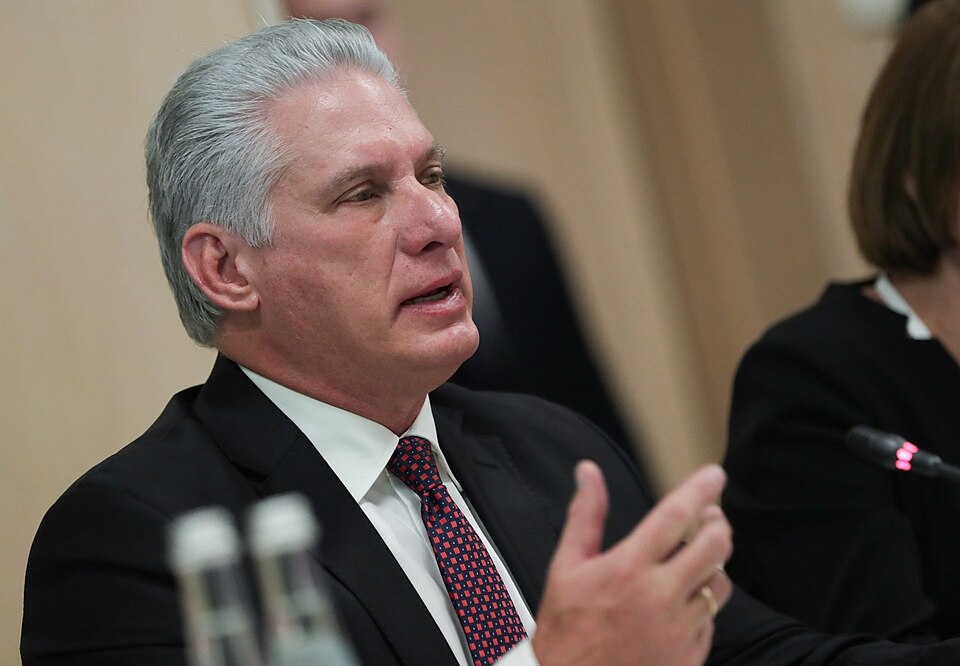
Cuban President Miguel Diaz-Canel confirmed Friday that Cuba and the United States have entered into official negotiations, marking a significant diplomatic development as the island nation struggles under a crippling oil shortage driven by U.S. economic pressure.
Diaz-Canel announced the talks through a state television broadcast, expressing hope that dialogue would steer both countries away from decades of hostility. The negotiations come at a critical moment for Cuba, where citizens are enduring daily blackouts lasting more than 12 hours, severe fuel rationing, medicine shortages, and skyrocketing prices — conditions that have triggered public protests in Havana.
The energy crisis intensified after U.S. President Donald Trump cut off Venezuelan oil shipments to Cuba following the removal of Venezuelan President Nicolas Maduro from power in January. Trump also threatened tariffs against any country supplying oil to Cuba, effectively strangling the island's primary energy lifeline. Diaz-Canel confirmed that no fuel has entered Cuba in three months, leaving the country's electrical grid dangerously unstable.
Despite the urgency, Cuba emphasized that any agreement must respect its political sovereignty and the principle of equality between nations. Diaz-Canel is leading the Cuban delegation alongside former President Raul Castro and other senior officials. Trump has indicated that U.S. Secretary of State Marco Rubio is involved on the American side.
Raul Guillermo Rodriguez Castro, grandson of Raul Castro and widely known as "El Cangrejo," appeared alongside officials during the announcement — a notable presence given his unofficial standing within the Communist Party.
In a separate but related development, Cuba announced it will release 51 prisoners following a Vatican-brokered agreement, echoing the Holy See's role in the historic 2014 U.S.-Cuba rapprochement under President Barack Obama. Diaz-Canel stressed the prisoner release was a sovereign decision, not a concession made under foreign pressure.







