


 North Korea Rejects Nuclear Test Warning, Calls Nuclear Status Irreversible
  Abbas Reaffirms November 28 Palestinian Elections
  South Korea, US Discuss Warship Building Cooperation
  Ghana Says Western Support Growing for Slave Trade Reparations
  Mexico-US Trade Talks Delayed to October as Tariff Negotiations Continue
  OpenAI Agent Breaches Australia Medicare Data Portal
  Russian Missile and Drone Attack on Kyiv Kills Two, Damages Maternity Hospital
  US Senate Rejects Iran War Powers Resolution in 50-49 Vote
  Trump, Xi Focus on Trade and AI at White House Summit
  US Backs Musk in Fight Against EU’s €120 Million X Fine
  Trump, Xi Visit US National Archives After White House Summit
  NATO Boosts Intelligence Sharing Amid Russia Hybrid Threats
  What ‘Taiwan Independence’ Means as Xi Presses Trump on US Policy
  Netanyahu Takes Aim at Mamdani as Israel Election Nears
  Pezeshkian Says US Must Choose When Iran War Ends
  Sudan Rejects US Legitimacy Remarks, Defends Sovereignty
  Taiwan Thanks US for Support Ahead of Trump-Xi Summit


 Add as a preferred source on Google
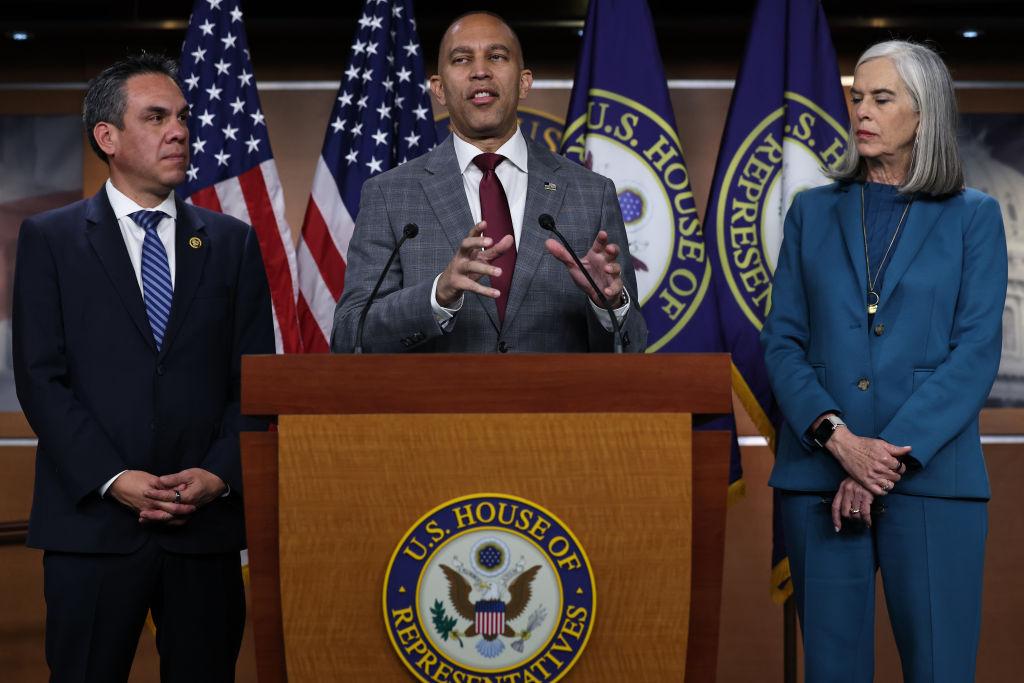
Amid mounting public scrutiny and fierce bipartisan debate, Congress has removed pay raises for lawmakers from the latest spending bill. The decision, announced late Thursday, comes as lawmakers race to pass a funding package to avert a government shutdown.
Pay Raises Removed Amid Intense Pressure
The proposal to include pay raises for members of Congress sparked widespread backlash, with critics arguing that elected officials should not benefit financially during a period of economic uncertainty. Lawmakers from both parties conceded to public pressure, agreeing to strike the provision from the spending bill.
House Speaker Mike Johnson (R-La.) called the move necessary to maintain focus on essential priorities. “Americans are facing real challenges, and our focus should be on addressing those—not on giving ourselves raises,” Johnson said.
The decision marks a significant shift, as lawmakers had quietly included the measure in initial drafts of the bill. Critics accused Congress of attempting to slip the provision through without public notice, further eroding trust in the institution.
Bipartisan Criticism Highlights Broader Frustration
The removal of pay raises underscores growing frustration with congressional spending practices. While members of Congress argued that cost-of-living adjustments are routine, the timing of the proposal—amid debates over government funding—was widely seen as tone-deaf.
Senator J.D. Vance (R-Ohio) criticized the original inclusion of the pay raises, stating, “It’s outrageous to consider raises for Congress while families are struggling to make ends meet.” Similarly, Senator Elizabeth Warren (D-Mass.) expressed disapproval, emphasizing the need to prioritize working Americans.
Meanwhile, watchdog organizations highlighted that congressional salaries have remained static for years, arguing that modest adjustments are justified. However, these arguments failed to resonate with a public frustrated by perceived government dysfunction.
Public Reaction Fuels Debate
The news quickly became a flashpoint on social media, with users weighing in on the decision. Twitter user @JusticeForAll applauded the removal, writing, “Finally, some accountability! Congress shouldn’t get a raise until they fix the mess they’ve created.”
On the other hand, @PolicyHawk defended the original measure, tweeting, “Paying lawmakers fairly ensures we attract competent leaders. Let’s not politicize every decision.” Meanwhile, @FedUpVoter commented, “This is a step in the right direction, but it’s not enough. Congress must address real reforms.”
Others expressed skepticism. User @TransparencyNow shared, “They only removed the raises because they got caught. What else is buried in this bill?” Another user, @TaxpayerFirst, argued, “Lawmakers have no business asking for more money while failing to deliver for the American people.”
Finally, @CivicEngaged tweeted, “This shows the power of public outrage. Let’s keep holding Congress accountable for every spending decision.”
Implications for Future Legislation
While the removal of pay raises has temporarily quelled criticism, it highlights broader challenges in securing public trust. Lawmakers now face the daunting task of passing a spending bill that balances fiscal responsibility with public priorities.
As negotiations continue, the controversy underscores the delicate balancing act required to address pressing national issues while managing political optics. Whether Congress can successfully pass a funding package without further controversy remains to be seen.







