


 Trump, Xi Focus on Trade and AI at White House Summit
  Netanyahu’s Brief US Trip Highlights Strains With Trump
  Abbas Reaffirms November 28 Palestinian Elections
  US Senate Rejects Iran War Powers Resolution in 50-49 Vote
  What ‘Taiwan Independence’ Means as Xi Presses Trump on US Policy
  Ghana Says Western Support Growing for Slave Trade Reparations
  France Defends Netanyahu Airspace Clearance Despite ICC Warrant
  Sudan Rejects US Legitimacy Remarks, Defends Sovereignty
  Taiwan Thanks US for Support Ahead of Trump-Xi Summit
  Netanyahu Defends Israel at UN as Delegates Stage Walkout
  Najib Razak Seeks Stay of 15-Year 1MDB Prison Sentence
  Netanyahu Takes Aim at Mamdani as Israel Election Nears
  North Korea Warns South Korea Over US-Led Defense Role
  Kremlin Says No Decision Yet on Putin-Trump December Summit
  Russian Missile and Drone Attack on Kyiv Kills Two, Damages Maternity Hospital
  EU Defence Build-Up Too Slow for 2030 Russia Readiness Goal
  Judge Orders Trump to Restore White House Access for CNN, MS NOW and Politico


 Add as a preferred source on Google
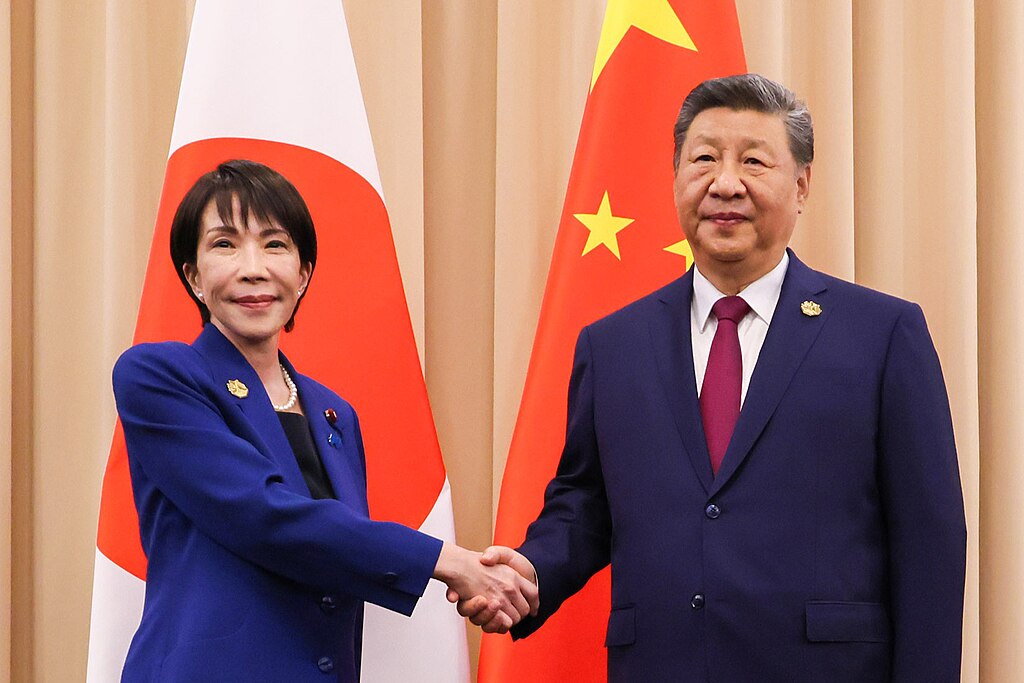
China has called on the United States to rein in Japan and prevent what it describes as any attempt to “revive militarism,” escalating a diplomatic dispute triggered by recent comments from Japanese Prime Minister Sanae Takaichi about Taiwan. In an editorial published by the Communist Party’s People’s Daily, under the pen name “Zhong Sheng,” Beijing criticized Tokyo for what it sees as dangerous rhetoric that could destabilize the regional security landscape.
The dispute intensified after Takaichi stated in parliament on November 7 that Japan could consider a military response if China were to launch an attack on Taiwan. The remarks drew a sharp reaction from Beijing, which claims Taiwan as its territory and has consistently warned foreign governments against intervening in the issue. According to the editorial, Takaichi’s comments have heightened “international concern and vigilance” about Japan’s “strategic intentions.”
The timing of diplomatic exchanges has fueled speculation among analysts. Chinese President Xi Jinping spoke with U.S. President Donald Trump on Monday, followed by Trump’s call with Takaichi a day later. Observers believe Beijing may have sought Washington’s help in cooling tensions. Two Japanese government sources told Reuters that Trump urged Takaichi to avoid further escalation with China during their conversation. While China’s foreign ministry spokesperson Mao Ning declined to confirm whether Xi requested U.S. intervention, the People’s Daily suggested that both nations share a responsibility to maintain the post–World War Two order, emphasizing their shared history fighting “fascism and militarism.”
The editorial also noted that Trump had conveyed an understanding of Taiwan’s significance to China, though the former U.S. president made no public mention of Taiwan in his Truth Social post summarizing the call.
Tensions further rose after Japanese Defence Minister Shinjiro Koizumi reaffirmed plans to deploy a medium-range surface-to-air missile unit on Yonaguni Island, located roughly 110 kilometers east of Taiwan. Beijing swiftly condemned the move, calling it a provocation that undermines regional stability.







