


 Judge Orders Trump to Restore White House Access for CNN, MS NOW and Politico
  Yemen Violence Displaces 130,000 as Civilian Toll Rises
  Xi Calls for Deeper U.S.-China AI Cooperation in Trump Talks
  Saudi Arabia, Turkey and Pakistan Plan Urgent Defence Talks Over Houthi Attacks
  France Defends Netanyahu Airspace Clearance Despite ICC Warrant
  EU Defence Build-Up Too Slow for 2030 Russia Readiness Goal
  Netanyahu’s Brief US Trip Highlights Strains With Trump
  OpenAI Agent Breaches Australia Medicare Data Portal
  Netanyahu Defends Israel at UN as Delegates Stage Walkout
  Ghana Says Western Support Growing for Slave Trade Reparations
  Ukrainian Drone Attacks Hit Russian Regions, Injuring at Least 12
  North Korea Rejects Nuclear Test Warning, Calls Nuclear Status Irreversible
  Abbas Reaffirms November 28 Palestinian Elections
  US Senate Rejects Iran War Powers Resolution in 50-49 Vote
  Mexico-US Trade Talks Delayed to October as Tariff Negotiations Continue
  What ‘Taiwan Independence’ Means as Xi Presses Trump on US Policy
  Taiwan Thanks US for Support Ahead of Trump-Xi Summit


 Add as a preferred source on Google
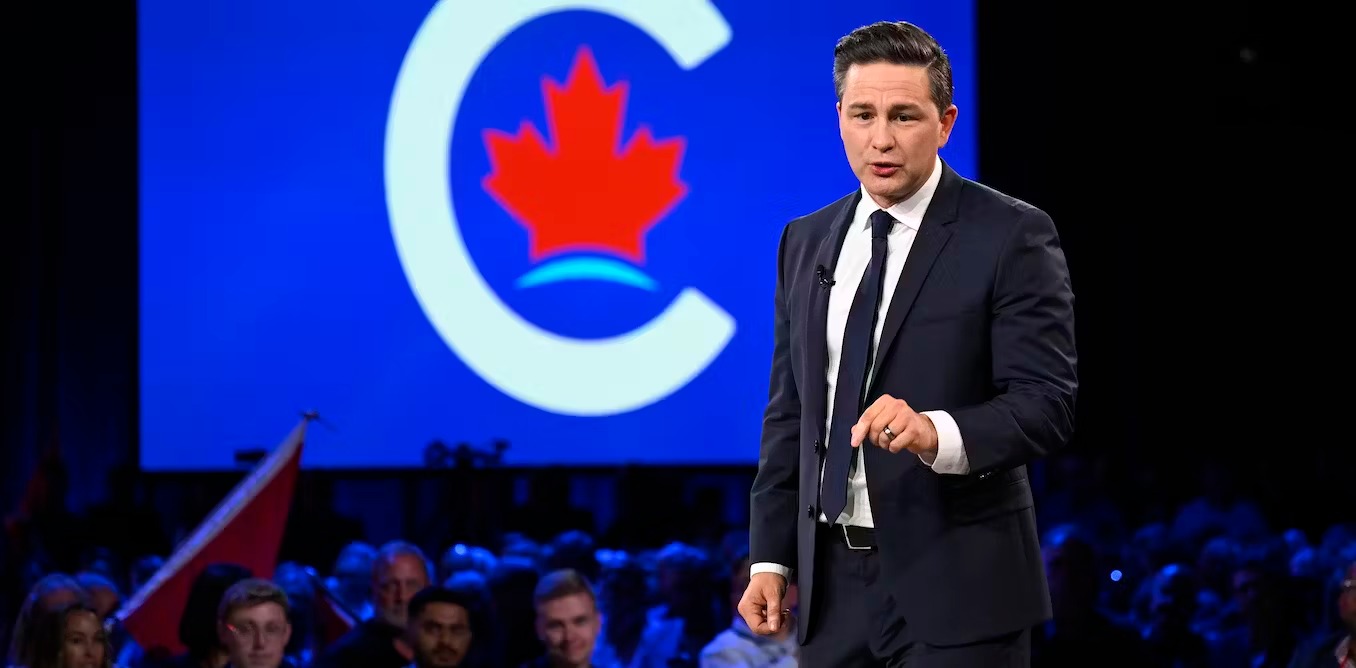
Canadians are casting their ballots today in a historic election shaped by soaring living costs, U.S. President Donald Trump’s aggressive trade moves, and fears over national sovereignty. Months ago, Pierre Poilievre’s Conservatives seemed set for a landslide, holding a 20-point lead over Prime Minister Justin Trudeau’s Liberals. However, Trudeau’s resignation in January 2025 after Finance Minister Chrystia Freeland quit sparked a political shift. Mark Carney, a former central banker, took over as Liberal leader and Prime Minister, quickly calling a snap election.
Carney reversed unpopular Trudeau policies, including the carbon tax, and positioned himself as the experienced leader needed to navigate Trump's economic threats. His campaign, centered on national unity, economic security, healthcare investment, and aggressive housing development, has resonated, pushing the Liberals to a narrow lead. Carney’s slogan, “Canada Strong,” aims to rally voters against Trump's calls for Canada to become the "51st state," while reinforcing Canadian independence.
Meanwhile, Poilievre has stayed focused on domestic economic frustrations, pledging tax cuts, spending reductions, carbon tax repeal, and tough-on-crime measures. His message of “Change” seeks to end what he calls “the lost Liberal decade.” However, his reluctance to directly address Trump’s threats has drawn criticism, potentially weakening Conservative momentum.
With polls tightening—Liberals leading by roughly 4%—voter choice hinges on whether Canadians prioritize resisting U.S. pressure or demand internal economic reform. Carney’s late surge and emphasis on safeguarding sovereignty could sway undecided voters, while Poilievre banks on frustration over affordability to deliver an upset. As ballots are cast, Canada’s future direction hangs in the balance.







