


 Novo Nordisk Strikes €1.17 Billion Nanexa Drug Delivery Deal
  NASA and SpaceX Target Crew-11 Undocking From ISS Amid Medical Concern
  Moderna Wins FDA Approval for mFLUSIVA mRNA Flu Vaccine for Adults 50+
  Blue Origin’s New Glenn Achieves Breakthrough Success With First NASA Mission
  Moderna Short Sellers Hit With $4.8 Billion Loss as Stock Soars
  Tabletop particle accelerator could transform medicine and materials science
  Novo Nordisk Eyes Turnaround as Oral Wegovy Challenges Eli Lilly in Weight-Loss Drug Race
  FDA Pilot Program Eases Rules for Nicotine Pouch Makers
  SpaceX’s Starship Completes 11th Test Flight, Paving Way for Moon and Mars Missions
  3 clinical-grade skincare creams you really shouldn’t buy online
  Blue Origin New Glenn Rocket Explodes During Launch Pad Test, Delaying Space Ambitions
  Trump Administration Releases New UFO Files and Apollo Mission Records
  New Mexico Measles Outbreak Cost Reached $5.4 Million, Study Finds


 Add as a preferred source on Google
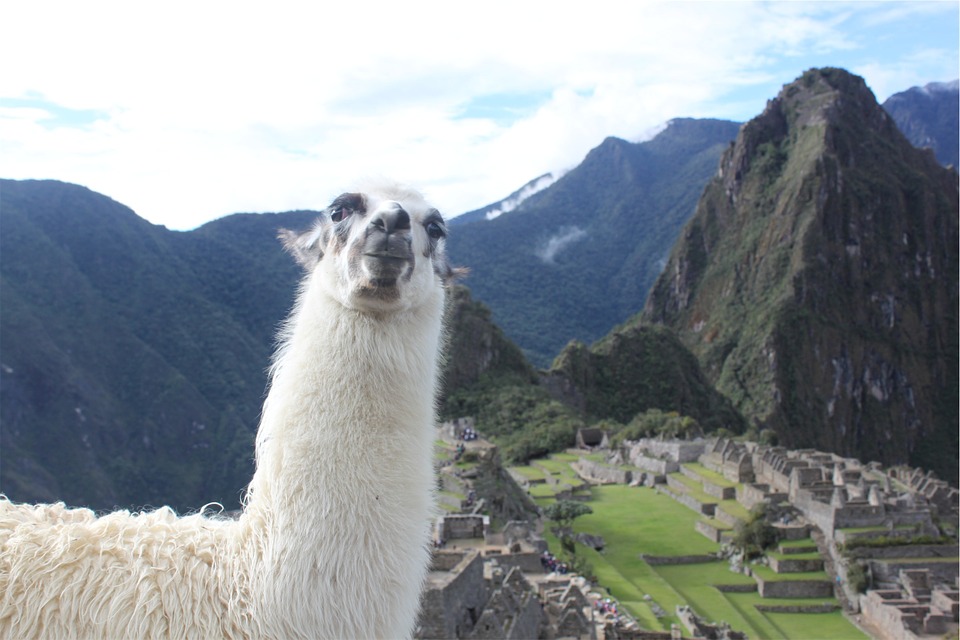
While there is no definitive cure for COVID-19 yet, scientists are leaving no stone unturned in the hopes of being able to formulate a possible treatment for the coronavirus. Recently, scientists saw that the antibodies present in llamas may be able to help in fighting the coronavirus.
COVID-19 is still affecting millions of people all over the world, with hundreds of thousands of people dying from the disease. Scientists from University of California, San Francisco are looking to harness the antibodies present among llamas to be able to formulate a cure or vaccine for the coronavirus. To do this, they created a molecule inspired by these antibodies and they found that it was actually very effective at inhibiting the coronavirus.
According to molecular biologist and biochemist Peter Walter, who is among the scientists who are working on the possible COVID-19 treatment from llama antibodies, “It binds the virus’ spike protein with unmatched affinity -- we’ve never seen anything like this in my lab before. It was absolutely beautiful to see.”
Despite the promising result, more tests and studies are needed to be done before it can really prove to be a cure for COVID-19. Nevertheless, this study suggests how far scientists are going to be able to come up with ways to combat the coronavirus.
So far, other drugs are used to treat the symptoms of COVID-19, and previously, the Food and Drug Administration of the US announced that the use of the drug remdesivir is now allowed for COVID-19 patients who are hospitalized. The agency issued a press release informing of their decision to give remdesivir to COVID-19 patients the green light.
“The FDA continues to make safe and potentially helpful treatments for COVID-19 available as quickly as possible in order to help patients. The data to support today’s action are encouraging. The data show that this treatment has the potential to help even more patients who are suffering from the effects of this devastating virus. We are working with drug developers to conduct randomized clinical trials to further study the safety and effectiveness of a number of potential therapies for COVID-19,” said FDA Commissioner Stephen Hahn.







