


 NASA and SpaceX Target Crew-11 Undocking From ISS Amid Medical Concern
  FDA Lifts REMS Requirement for CAR-T Cell Cancer Therapies
  Neuralink Expands Brain Implant Trials with 12 Global Patients
  SpaceX Prioritizes Moon Mission Before Mars as Starship Development Accelerates
  Astronomers have discovered another puzzling interstellar object − this third one is big, bright and fast
  Trump Administration to Launch Autism Initiatives Targeting Acetaminophen Use and New Treatment Options
  Eli Lilly’s Inluriyo Gains FDA Approval for Advanced Breast Cancer Treatment
  Cogent Biosciences Soars 120% on Breakthrough Phase 3 Results for Bezuclastinib in GIST Treatment
  Blue Origin’s New Glenn Achieves Breakthrough Success With First NASA Mission
  SpaceX Starship Explodes in Texas During Test, Citing Nitrogen Tank Failure
  Trump Signs Executive Order to Boost AI Research in Childhood Cancer


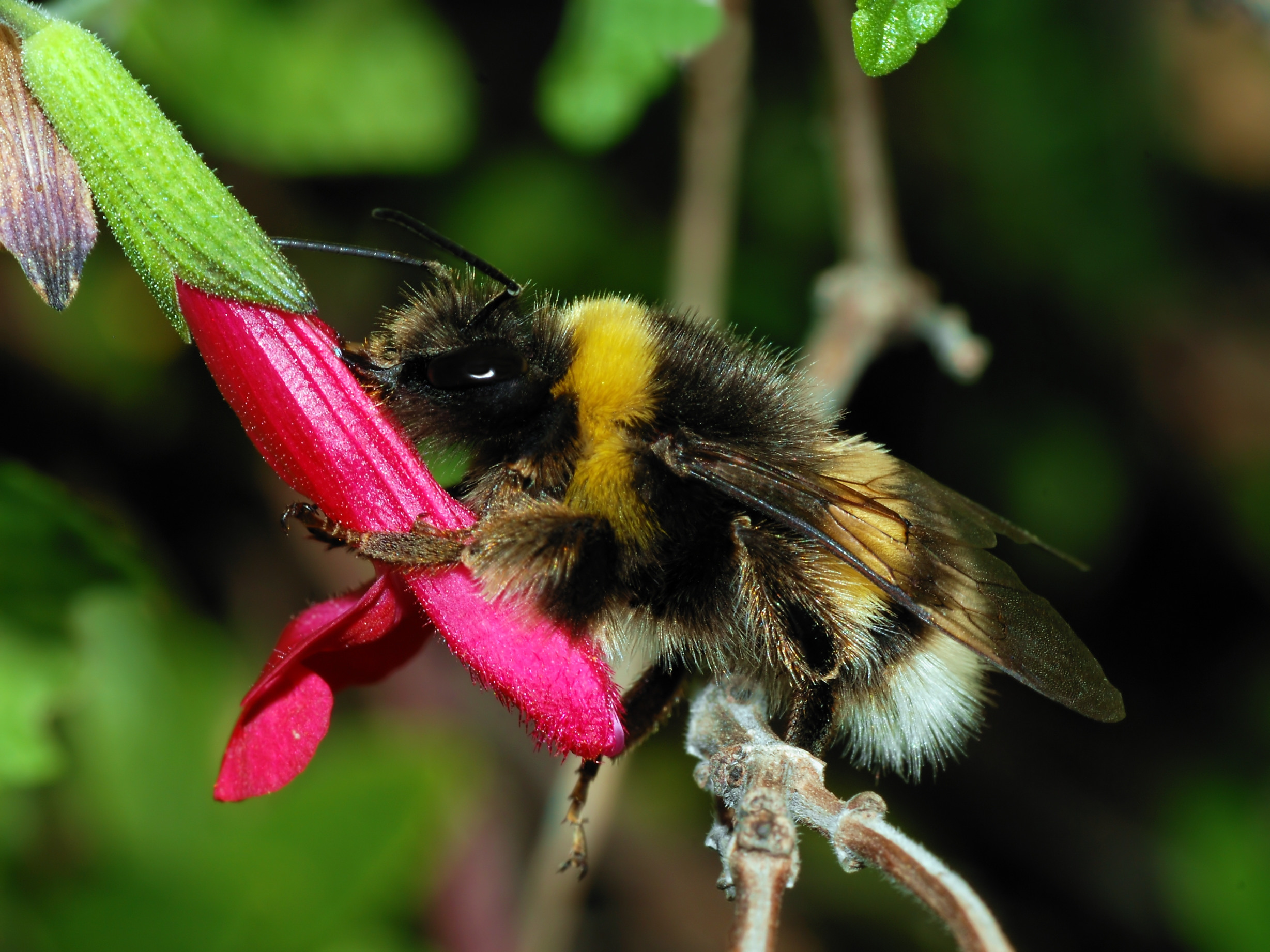
Bees are often considered the single most important pollinators in the natural world, helping to spread life all across the land by coming in contact with pollens and spreading them everywhere. Now, one species of these bees has been classified as endangered. In light of the crucial role of these creatures in keeping the ecosystem balanced, the news has had a monumental impact in the scientific community.
This is the first time ever in the U.S. that a species of bee has been classified as endangered, The Washington Post reports. Known commonly as the rusty-patched bumblebee or Bombus affinis, this species used to be found all over the American Midwest back in the 90s. At the turn of the millennium, even Tamara Smith, a biologist at the U.S. Fish and Wildlife Service can no longer find them.
“I’ve never seen one, and I live here pretty close to where there have been populations documented,” Smith said.
The threat of an entire species of bees being wiped out has prompted the agency to place it under protection, with any known habitats receiving a Federal blanket and the creation of new habitats given priority. Anyone caught knowingly destroying these habitats are subject to punishment that could include hefty fines or jail time.
Unfortunately, this is just the tip of the iceberg. Mass extinction of bee species is currently happening all across the globe, Futurism reports. These bees are not just responsible for spreading flowers across fields. They are also crucial in producing crops and fruits, which immediately puts the threat of less food on the table.
The implications are simple enough to understand even for those unfamiliar with how the world’s ecosystem works. If more bees die, the threat of a global food crisis rises. Unfortunately, humans are one of the leading causes of bee deaths by spreading varroa mites all across the world. These mites are parasites that bees are particularly susceptible to.













