


 Ghana Says Western Support Growing for Slave Trade Reparations
  Trump, Xi Focus on Trade and AI at White House Summit
  France Defends Netanyahu Airspace Clearance Despite ICC Warrant
  Najib Razak Seeks Stay of 15-Year 1MDB Prison Sentence
  OpenAI Agent Breaches Australia Medicare Data Portal
  Trump Asks Supreme Court to Restore Third-Country Deportations
  US Backs Musk in Fight Against EU’s €120 Million X Fine
  Russian Missile and Drone Attack on Kyiv Kills Two, Damages Maternity Hospital
  North Korea Warns South Korea Over US-Led Defense Role
  Pezeshkian Says US Must Choose When Iran War Ends
  South Korea, US Discuss Warship Building Cooperation
  Netanyahu Takes Aim at Mamdani as Israel Election Nears
  Netanyahu Defends Israel at UN as Delegates Stage Walkout
  What ‘Taiwan Independence’ Means as Xi Presses Trump on US Policy
  Trump, Xi Visit US National Archives After White House Summit
  EU Defence Build-Up Too Slow for 2030 Russia Readiness Goal
  US Senate Rejects Iran War Powers Resolution in 50-49 Vote


 Add as a preferred source on Google
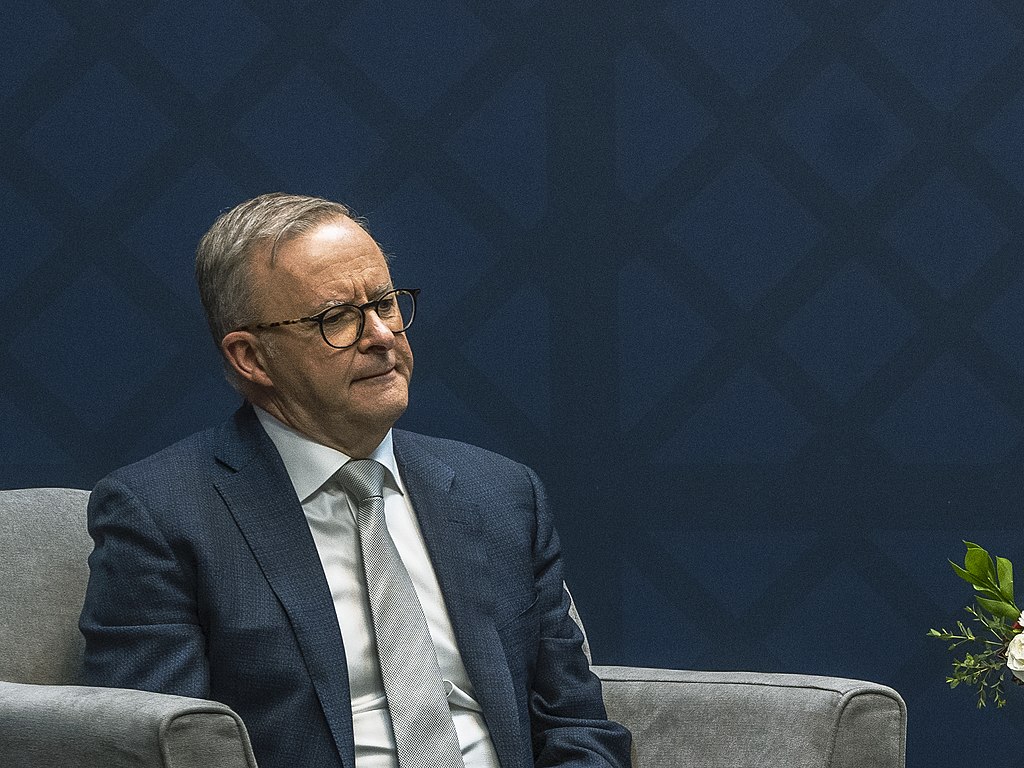
Australian Prime Minister Anthony Albanese has defended his country’s decision to sanction two far-right Israeli cabinet ministers, Itamar Ben-Gvir and Bezalel Smotrich, calling criticism from the U.S. and Israel “predictable.” The sanctions, imposed in coordination with the UK, Canada, New Zealand, and Norway, target the ministers for inciting violence against Palestinians in the West Bank—actions seen as obstructing prospects for a two-state solution.
Albanese stated that both ministers, known for their expansionist rhetoric and hardline views, pose a “serious impediment” to peace efforts. He emphasized that Israel must uphold international law, noting that the behavior of some Netanyahu government members directly contradicts those obligations. Speaking to ABC Radio Sydney, Albanese said the global push for sanctions underscores a shared commitment to peace in the region.
The sanctions include asset freezes and travel bans, according to Australian Foreign Minister Penny Wong. She reiterated Australia’s support for a two-state solution where Israelis and Palestinians can live in peace and security.
The move sparked swift condemnation from the U.S., with Secretary of State Marco Rubio calling the sanctions unjustified. Israel also expressed outrage, labeling the action “unacceptable,” and announced a special cabinet meeting next week to determine its response. Israel’s Ambassador to Australia, Amir Maimon, said the sanctions were “deeply concerning.”
Despite the backlash, Australia and its partners are standing firm, signaling growing international frustration with actions seen as escalating tensions in the occupied West Bank. The coordinated sanctions highlight rising global concern over Israel’s far-right leadership and its impact on regional stability and peace efforts.







