


 Oil Prices Jump 3% as Houthi Attack Revives Supply Fears
  Fed Unveils Stablecoin Rules Under GENIUS Act
  Asian Currencies Mixed as Dollar Holds Near Two-Month High
  Oil Prices Surge as U.S.-Iran Diplomacy Hopes Fade
  US, China Extend Trade Truce to Jan. 10 Ahead of Trump-Xi Summit
  Japanese Bank Stocks Surge as Bond Yields Fuel Rate Hike Bets
  U.S. Treasury Yields Surge as 30-Year Hits 22-Year High
  Mexico-US Trade Talks Delayed to October as Tariff Negotiations Continue
  Australia Unemployment Hits Five-Year High Despite Strong Jobs Growth
  Trump, Xi Focus on Trade and AI at White House Summit
  Gold Prices Fall as Treasury Yields Rise on Fed Rate Hike Bets
  Gold Holds Near $4,275 as Rising Treasury Yields Fuel Fed Rate Hike Bets
  RBI Uses $10 Billion Currency Swaps to Drain Excess Rupee Liquidity
  Japan Private-Sector Growth Slows as Domestic Demand Weakens
  US Stock Futures Fall as Treasury Yields Surge Ahead of Trump-Xi Summit
  U.S. Dollar Hits Two-Month High as Oil, Treasury Yields Surge


 Add as a preferred source on Google
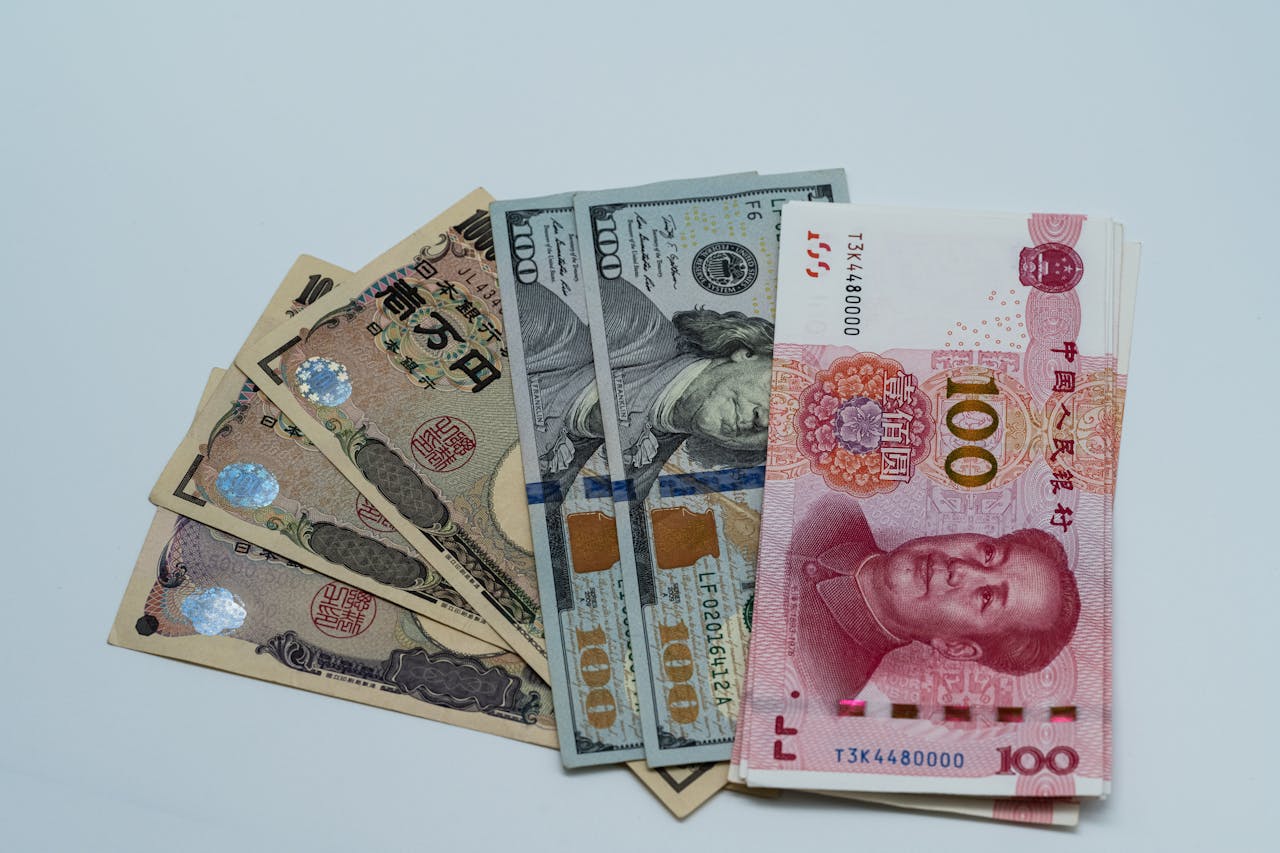
Most Asian currencies strengthened on Monday as the U.S. dollar extended sharp losses ahead of the Federal Reserve’s highly anticipated policy meeting later this week. The Japanese yen led gains in the region, surging to two-month highs amid growing speculation of coordinated foreign exchange intervention by U.S. and Japanese authorities.
The U.S. Dollar Index fell 0.5% to its lowest level since mid-September, while Dollar Index futures also declined by the same margin in early trading. The broad weakness in the greenback provided support to regional currencies, as investors positioned cautiously ahead of key central bank decisions and political developments in the United States.
The Japanese yen rallied sharply, with the USD/JPY pair dropping more than 1% to around 154 in early Asian trade, following a steep 1.7% fall on Friday. This marked the yen’s strongest level since late November and triggered widespread short covering after weeks of heavy bearish positioning. Market sentiment shifted after U.S. and Japanese officials signaled close coordination on currency movements, fueling speculation of potential joint intervention. Reports that U.S. authorities had checked in with market participants—often seen as a precursor to intervention—added to the momentum, alongside repeated warnings from Japanese officials against excessive currency volatility.
The yen’s rebound represented a notable reversal from recent weakness, which had intensified after the election of Prime Minister Sanae Takaichi. Expectations of aggressive fiscal stimulus and continued accommodative monetary policy under her leadership had previously pressured the currency, sending it to over 18-month lows earlier in January.
Elsewhere in Asia, the South Korean won strengthened, with USD/KRW falling 0.4%, while China’s onshore yuan edged higher as USD/CNY slipped 0.1%. The Singapore dollar also advanced, with USD/SGD down 0.3%, extending its recent decline to levels last seen in September 2014. The Indian rupee edged up as USD/INR dipped 0.2%, though it remained near record lows around 92 per dollar. The Australian dollar gained modestly, with AUD/USD rising 0.3%.
Pressure on the dollar intensified ahead of the Federal Reserve’s two-day meeting, where rates are widely expected to remain unchanged. Investors are closely watching Chair Jerome Powell’s guidance for clues on the timing and pace of potential rate cuts later this year. Additional uncertainty surrounding President Donald Trump’s expected nomination for the next Fed chair has further weighed on the dollar, as markets assess the risk of a more dovish policy outlook.







