


 Trump, Xi Visit US National Archives After White House Summit
  NATO Boosts Intelligence Sharing Amid Russia Hybrid Threats
  Abbas Reaffirms November 28 Palestinian Elections
  Yemen Violence Displaces 130,000 as Civilian Toll Rises
  Xi Calls for Deeper U.S.-China AI Cooperation in Trump Talks
  North Korea Rejects Nuclear Test Warning, Calls Nuclear Status Irreversible
  Ukrainian Drone Attacks Hit Russian Regions, Injuring at Least 12
  EU Defence Build-Up Too Slow for 2030 Russia Readiness Goal
  Trump, Xi Focus on Trade and AI at White House Summit
  Pope Leo Backs Press Freedom After White House Media Ban
  US Supreme Court Revives Trump Administration Voter Citizenship Database
  Netanyahu’s Brief US Trip Highlights Strains With Trump
  Trump Warns China Against Supporting Iran in Xi Talks
  Saudi Arabia, Turkey and Pakistan Plan Urgent Defence Talks Over Houthi Attacks
  US Comfortable With Canada Trade Standoff as Import Bans Loom
  US Backs Musk in Fight Against EU’s €120 Million X Fine
  Putin Says Ukraine Peace Proposals Remain on Table


 Add as a preferred source on Google
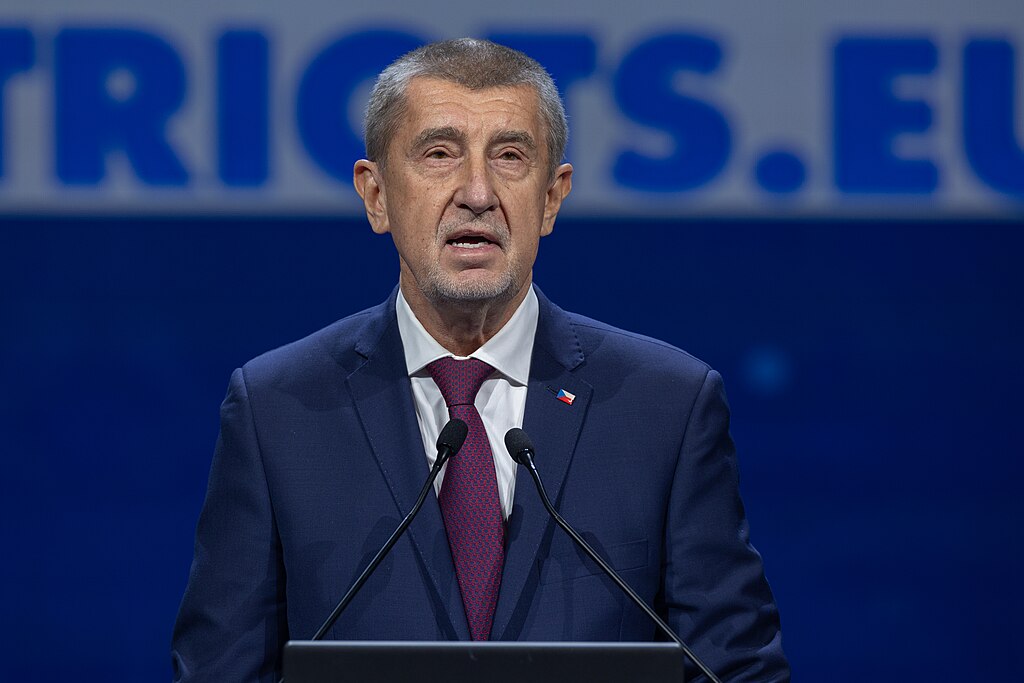
Billionaire Andrej Babis’s centrist-populist ANO party achieved a decisive victory in the Czech Republic’s parliamentary election, winning 34.7% of the vote with 99% of districts counted. The result marks a significant political shift that could strengthen Europe’s populist, anti-immigration bloc and reshape Czech policy toward the European Union and Ukraine.
Babis, celebrating the win, announced his intention to form a one-party government but acknowledged ANO would need support from smaller parties to secure a majority in the 200-seat parliament. He plans to hold talks with the far-right Freedom and Direct Democracy (SPD) and the Motorists Party, both known for their opposition to EU environmental regulations and migration policies. SPD, with 7.8% of the vote, expressed willingness to back an ANO minority cabinet.
Despite his populist rhetoric, Babis emphasized that ANO remains “pro-European and pro-NATO.” However, his stance on Ukraine has raised eyebrows. He vowed to end the Czech-led “initiative” that purchased ammunition for Ukraine, saying NATO and the EU should handle such aid instead. ANO has also abstained from several European Parliament votes supporting Kyiv’s EU membership bid.
Outgoing Prime Minister Petr Fiala conceded defeat and congratulated Babis, whose economic promises—higher wages, increased pensions, and tax breaks for families—resonated with voters struggling under inflation. Yet, those pledges could strain public finances and challenge the Czech Republic’s traditionally frugal policies.
President Petr Pavel will now begin coalition talks to determine the next government. If Babis successfully forms a cabinet, it could align Prague more closely with Hungarian Prime Minister Viktor Orban’s Eurosceptic camp. The ANO leader, a self-styled champion of “Strong Czechia,” continues to polarize European politics with his populist message and close ties to right-wing allies across the continent.







