


 TRUMP Memecoin Launches New Dinner Contest
  Flydubai Co-Pilot Tried to Crash Israel-Bound Jet, Netanyahu Says
  South Korea Warns Ukraine Over North Korean POW Dispute
  US Appeals Court Keeps Trump IRS Case Sanctions in Place
  US Waives Egypt Military Aid Conditions Over Iran War Role
  Marco Rubio to Visit Iceland, Greece and Portugal
  Brazil Presidential Debate Canceled as Lula, Bolsonaro Skip Event
  Trump Demands Powell Resign Over Fed Renovation Cost Overruns
  TSA Removes Chairs for Airport ID Check Officers
  Trump Taps Dennis Rodman as Kim Jong Un Outreach Continues
  US Waives $320M Egypt Military Aid Conditions After Iran War Role
  Wicker Urges US to Uphold Taiwan Security Commitments
  Russia Warns NATO of Nuclear Response Over Kaliningrad
  Netanyahu Says Israel May Join Flydubai Crash Attempt Probe
  New Zealand Election Raises Policy Uncertainty for Investors
  Iran Plans Stronger Response if US Attacks Resume


 Add as a preferred source on Google
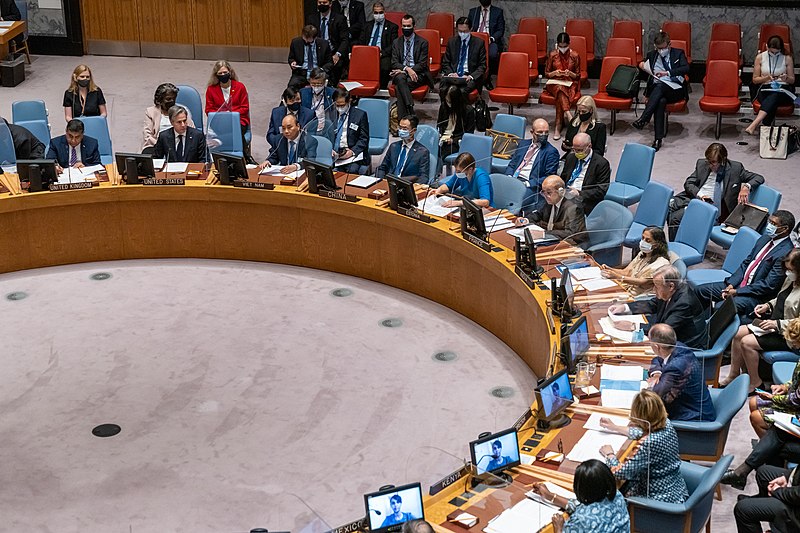
Afghanistan continues to suffer from a continuing humanitarian and economic crisis as countries scramble to provide the much-needed aid while bypassing the Taliban authorities. The United Nations Security Council this week voted on a resolution outlining another year of the organization’s political mission to Afghanistan.
The UN Security Council voted in favor of a resolution to secure a formal presence in Afghanistan despite the international community not recognizing the insurgent group as the country’s government. 14 voted in favor, while Russia abstained from voting.
The resolution, without referring to the insurgent group by its name, details a new one-year mandate for the organization’s political mission in Afghanistan, saying that it was “crucial” to peace. This also includes several aspects of cooperation, from humanitarian, economical, and human rights aspects, noting those of women, children, and journalists.
“This new mandate for the UNAMA is crucial not only to respond to the immediate humanitarian and economic crisis but also to reach our overarching goal of peace and stability in Afghanistan,” said Mona Juul, Norway’s ambassador to the UN who also drafted the resolution.
“The Council gives a clear message with this new mandate: UNAMA has a crucial role to play in promoting peace and stability in Afghanistan and to support the Afghan people as they face unprecedented challenges and uncertainty,” said Juul.
The Taliban regained control of Afghanistan at the heels of the US-led military withdrawal from the country. This left the country on the verge of a humanitarian and economic collapse, as well as concerns regarding the group’s treatment of women and girls.
Previously, Axios reported that aid workers were granted access by the insurgent group to continue their work in Afghanistan, but noted that more resources are needed to help the Afghan people. Aid groups have warned that Afghans will die if no humanitarian assistance is given and that in order to help the people, governments will have to engage with the Taliban.
Aid workers told the outlet that they were surprised when the Taliban officials expressed a willingness to cooperate so far, including a commitment to allow women and girls to continue their education as schools reopen. While the insurgent group still intends to implement their strict interpretation of Islam on the public, the group is also taking note of the public’s needs and the views of the international community.







