


 Paramount-Warner Bros $110 Billion Deal Draws Antitrust Backlash
  Xi Calls for Deeper U.S.-China AI Cooperation in Trump Talks
  Honduras Court Drops Charges Against Ex-President Juan Orlando Hernandez
  France Defends Netanyahu Airspace Clearance Despite ICC Warrant
  Rodrigo Duterte Makes First Public Appearance at ICC in 18 Months
  OpenAI Rejects Apple Trade Secret Theft Claims
  Appeals Court Rejects Trump Third-Country Deportation Policy
  Sudan Rejects US Legitimacy Remarks, Defends Sovereignty
  US Backs Musk in Fight Against EU’s €120 Million X Fine
  Najib Razak Granted House Arrest Until 2028
  Trump Administration Prepares Sanctions Against Entire ICC
  SEC Seeks ISS Client Voting Records in Proxy Adviser Probe
  Netanyahu Takes Aim at Mamdani as Israel Election Nears
  LVMH-Hermès Dispute Deepens Over Secret 2002 Share Deal
  Ukrainian Drone Attacks Hit Russian Regions, Injuring at Least 12
  Trump Asks Supreme Court to Restore Third-Country Deportations
  Venezuela Nears Deal to Move $4 Billion in Gold to New York Fed


 Add as a preferred source on Google
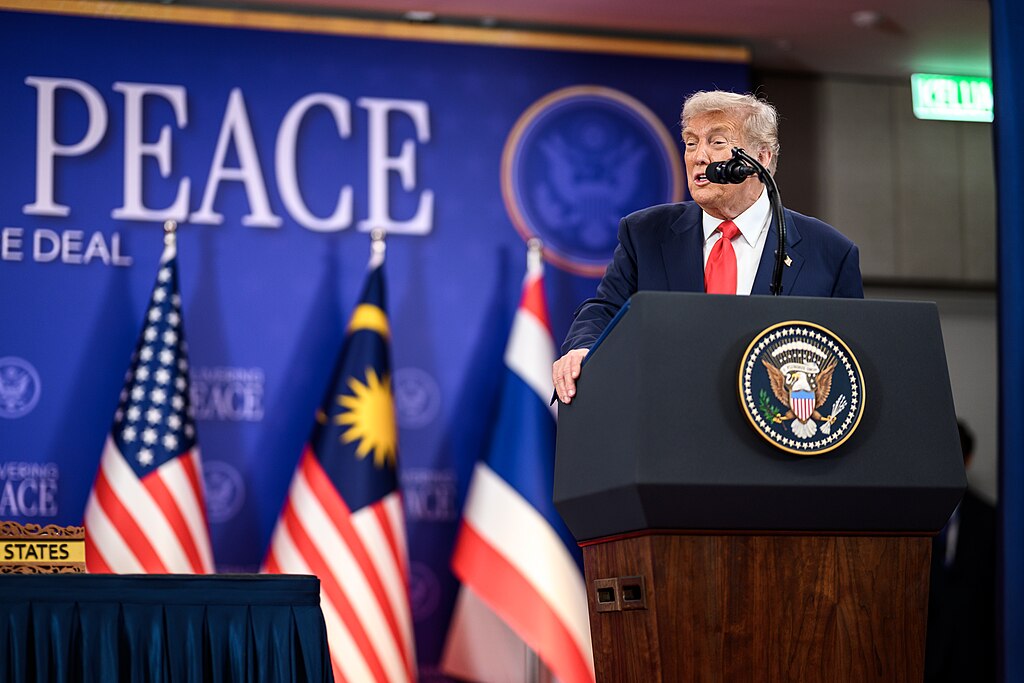
U.S. President Donald Trump said Thursday that he is pardoning Tina Peters, a former Colorado county clerk convicted of tampering with voting machines following the 2020 presidential election, even though he has no legal authority to issue such a pardon.
Peters was sentenced in 2024 by a Colorado state court to nine years in prison after being found guilty on seven counts related to a security breach of Mesa County’s election system. Prosecutors said Peters allowed unauthorized individuals connected to Trump allies to access sensitive election equipment, a move that ultimately led to voting machine passwords being leaked and published on a far-right blog. The breach raised serious concerns about election security and the integrity of voting systems.
Indicted in 2022, Peters became a prominent figure among supporters of Trump’s unfounded claims of widespread voter fraud in the 2020 election. Throughout the investigation and trial, she denied any wrongdoing and portrayed her actions as an effort to protect election integrity. During her sentencing hearing in Denver, Peters remained defiant, stating that she acted only to “serve the people of Mesa County.”
Trump defended Peters in a post on his Truth Social platform, claiming she was imprisoned for demanding “honest elections.” He announced what he described as a “full pardon,” asserting that her actions were aimed at exposing voter fraud in what he continues to call a “rigged” election. The statement quickly drew criticism, as presidential pardon powers extend only to federal offenses, not state convictions.
Because Peters was charged and convicted under Colorado state law, the authority to grant a pardon rests solely with Colorado Governor Jared Polis, a Democrat. Legal experts widely agree that any pardon from Polis is extremely unlikely, given the severity of the charges and the broader implications for election security.
Trump has issued or promised numerous pardons in recent months, many involving political allies or white-collar crimes, but the Peters case highlights the legal limits of presidential power. Despite Trump’s claims, Peters remains incarcerated under a valid state sentence, underscoring the distinction between federal authority and state judicial independence.







