


 TRUMP Memecoin Launches New Dinner Contest
  US Officials See China Taiwan Invasion Before 2028 as Less Likely
  Netanyahu Says Israel May Join Flydubai Crash Attempt Probe
  Trump Taps Dennis Rodman as Kim Jong Un Outreach Continues
  Ukraine Deploys FP-7 Ballistic Missile in Combat for First Time
  Trump Says He Raised Political Prisoners With Xi
  Trump Praises Boeing 737 Max After Flydubai Crash Attempt
  California Leads Lawsuit Over Trump’s $810 Million Funding Cuts
  Wicker Urges US to Uphold Taiwan Security Commitments
  US Waives $320M Egypt Military Aid Conditions After Iran War Role
  TSA Removes Chairs for Airport ID Check Officers
  New Zealand Election Raises Policy Uncertainty for Investors
  South Korea Warns Ukraine Over North Korean POW Dispute
  Pentagon Launches Autonomous Warfare Command
  US Appeals Court Keeps Trump IRS Case Sanctions in Place
  Iran Plans Stronger Response if US Attacks Resume
  Israeli Settler Attack in West Bank Kills Palestinian


 Add as a preferred source on Google
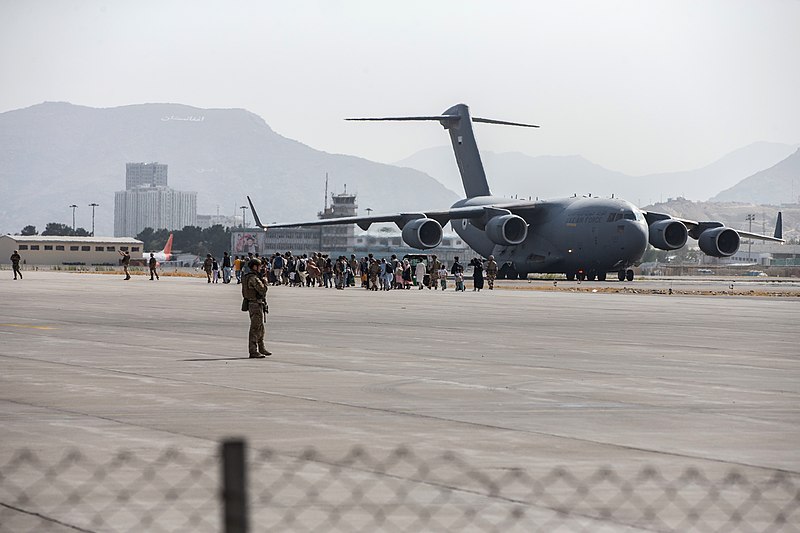
The Taliban clarified its policy regarding Afghans who plan on traveling overseas. The insurgent group’s spokesman said that those who have legal documents would be allowed to travel abroad.
Taliban spokesman Zabihullah Mujahid posted the clarification of the policy on Twitter, backtracking on the previous announcement that there would be restrictions on Afghans traveling overseas. Mujahid clarified that those who have the correct legal documents would be allowed to travel abroad. Mujahid added that the policy was aimed to address concerns over Afghans leaving the country without legal documentation or are traveling with smugglers.
“Our countrymen who have legal documents can travel abroad,” said Mujahid.
The clarification was sought by the US State Department and the UK’s Charge d’Affairs from Mujahid’s comments at a news conference Sunday that led to the concerns the Taliban may be restricting travel on Afghans. The concerns cited that the restrictions may hinder ongoing evacuation efforts for those who still wish to flee Afghanistan.
Mujahid’s initial comments said that the restrictions would apply to Afghans who cooperated with the NATO and US forces. The UK has since welcomed the clarification.
“Welcome clarification by Taliban spokesperson that Afghans with the right documents can still travel out of Afghanistan,” tweeted Charge d’Affaires of the UK Mission to Afghanistan Hugo Shorter. “We expect that unchanged rules mean that there is no new requirement for women leaving Afghanistan to be accompanied by a male guardian.”
Mujahid also said Sunday that women could not travel abroad without being accompanied by a male guardian.
Meanwhile, the executive board of the World Bank has approved $1 billion in funds from a frozen Afghanistan trust fund to finance the needed education, agriculture, health, and family programs of the country. The plan will bypass the sanctioned Taliban officials by disbursing the money through UN agencies and international aid groups.
This would provide a major boost to the efforts in tackling the worsening humanitarian and economic crisis that Afghanistan is facing. The trust fund was frozen back in August when the insurgent group regained control of Afghanistan at the heels of the military withdrawals of the US and the West.







