


 Dominican Republic Halts GoldQuest Mining Project Amid Environmental Protests
  Shell Q1 Profit Surges to Two-Year High as Dividend Rises Despite War-Driven Debt Pressure
  Novo Nordisk Raises 2026 Outlook on Strong Wegovy Demand
  U.S. Budget Airlines Seek $2.5 Billion Government Aid Amid Rising Jet Fuel Costs
  AWS Data Center Overheating Disrupts Cloud Services in Northern Virginia
  China Banks Halt New Loans to Sanctioned Refineries Amid U.S.-Iran Oil Crackdown
  Trump Administration Dismisses Entire National Science Board, Sparking Debate Over Scientific Independence
  US Adds European Union to Section 301 Watchlist Amid Trade Concerns
  Nike Tariff Refund Lawsuit Sparks Consumer Backlash Over Price Increases
  Maersk Q1 Earnings Beat Expectations as Iran Conflict Clouds Shipping Outlook
  New York Moves to Ban Masked Law Enforcement During Immigration Operations
  Continental AG Shares Jump After Q1 Profit Beats Expectations
  Philips Reaffirms 2026 Outlook After Strong Q1 Sales and Margin Beat
  U.S. Sanctions Former DR Congo President Joseph Kabila Over Rebel Support
  Ghana Rejects U.S. Health Deal Over Data Sharing Concerns Amid Foreign Aid Shift
  U.S. Flags Vietnam as “Priority Foreign Country” Over Intellectual Property Concerns
  FEMA Reinstates Employees After Dissent Letter, Signaling Shift in Workforce Stability


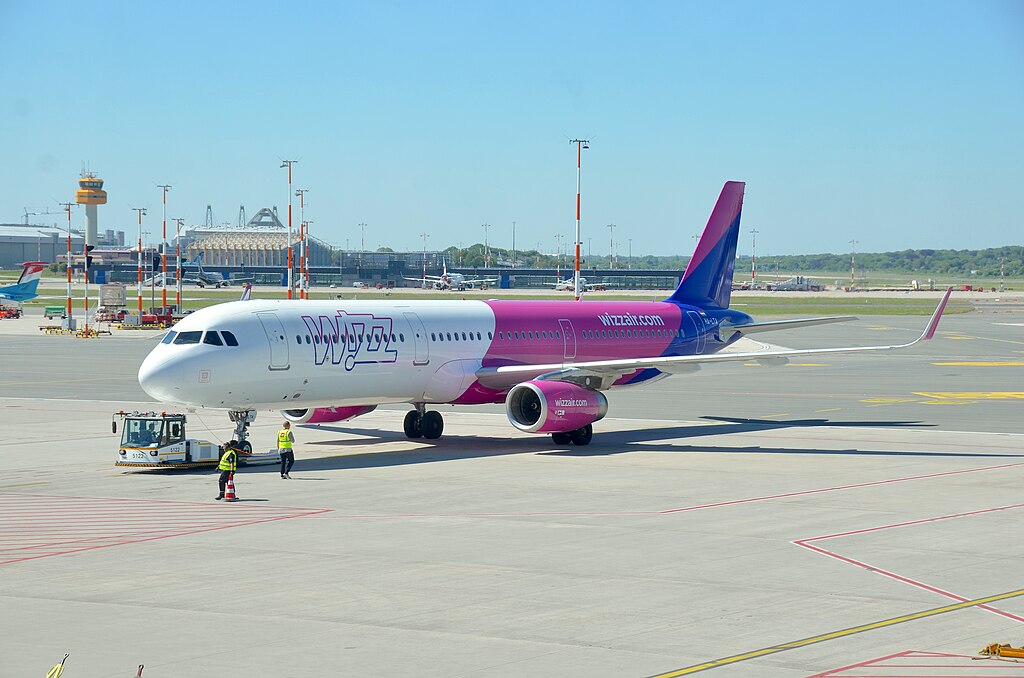
The U.S. Department of Transportation (USDOT) has granted tentative approval for Wizz Air UK to operate passenger flights between the United Kingdom and the United States, marking a potential expansion for the European budget airline into the transatlantic market. The decision, announced Thursday, could open the door for a new low-cost travel option between the two countries if the approval becomes final.
Wizz Air’s UK subsidiary initially submitted a petition in January seeking a foreign air carrier permit that would allow it to launch flights between the UK and the U.S. “as soon as possible.” The USDOT said the preliminary approval is considered to be in the public interest, but the agency will allow a 21-day period for any objections before making a final decision. If finalized, the authorization would remain valid for two years from the date it is granted.
The airline is applying under the 2020 U.S.–UK Air Transport Agreement, commonly known as the Open Skies Agreement. This aviation pact allows airlines from both countries to operate passenger and cargo services between the two markets, helping promote competition, expand travel options, and potentially lower airfare prices for consumers.
This latest move represents Wizz Air’s second attempt to enter the U.S. aviation market. In 2022, the airline’s Hungarian unit applied for a foreign air carrier permit to operate cargo flights to the United States. The new application focuses instead on passenger routes, signaling the company’s interest in tapping into the growing demand for transatlantic travel.
Industry analysts say Wizz Air’s ultra-low-cost business model could benefit from rising global tourism spending and increased interest among European travelers in visiting U.S. destinations. Cities such as Nashville and Boise have recently gained attention from international tourists seeking alternatives to traditional travel hotspots.
Travel patterns have also shifted due to immigration policies and trade tensions introduced during the Trump administration, which slowed tourism in some major U.S. destinations. However, travel companies expect demand to rebound, especially with the upcoming FIFA World Cup expected to boost international arrivals to the United States.
Wizz Air CEO Jozsef Varadi recently told Reuters that the airline anticipates limiting the financial impact of the Iran conflict to the current fiscal year ending this month. According to Varadi, pressure on the company should ease starting in April after earlier concerns triggered a profit warning that weighed on the airline’s share price.
If the USDOT grants final approval, Wizz Air’s entry into the transatlantic market could increase competition among airlines while offering travelers more affordable flight options between the United Kingdom and the United States.







